In Waves and War
2024
No user ratings available yet
Representation score: 7.7 out of 10
Representation Score
Good
2013
NRDirector
Phie Ambo
Runtime
80 minutes
Average Rating
No ratings yetNew Showbiz Analysis
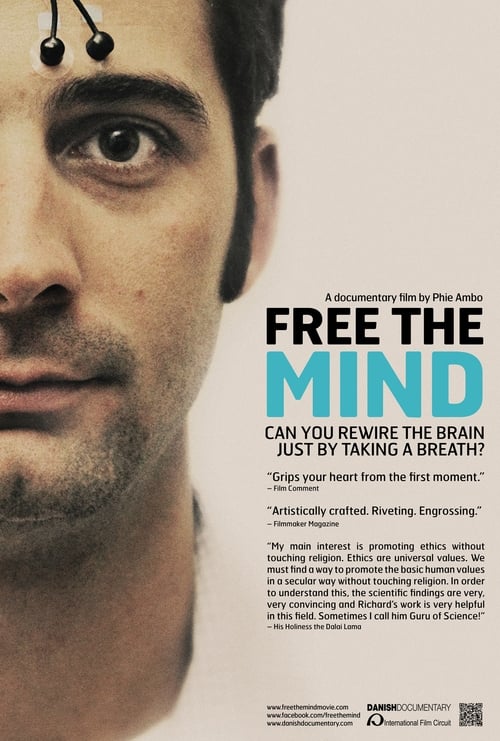
Free the Mind offers a progressive perspective on human resilience by emphasizing cognitive ability to act and neuroplasticity. It shifts away from rigid Western medical protocols to explore how mindfulness can alleviate the effects of trauma. The film's strength lies in its exploration of non-traditional healing methods and the empowerment of those with invisible disabilities. It portrays psychological recovery as an active, disciplined process rather than a passive clinical intervention. However, the documentary lacks explicit representation of LGBTQ+ identities and specific racial or gender demographics. This absence of overt identity-based representation keeps the diversity score in a moderate range.
Category Breakdown
The film does not include visible representation of non-straight or non-cisgender identities. The focus is on the physiological effects of meditation on veterans and children.
The study of neuroplasticity challenges traditional masculine stereotypes of stoicism. However, the film does not explicitly address gender-based power dynamics or provide specific gender breakdowns.
The documentary features diverse groups of American veterans and children. While the focus is on universal biological processes, specific racial compositions are not explicitly detailed.
The film promotes holistic wellness by prioritizing Eastern-rooted practices such as yoga and meditation. This approach significantly departs from traditional Western clinical methods.
The documentary centers on individuals managing invisible disabilities like PTSD. It gives participants real power by focusing on their ability to reshape their own brain chemistry.
Present on Screen
Limited or Absent
Official Synopsis
Brain scientist Professor Richard Davidson sets up his mind to conduct an unusual experiment: He will teach American war veterans and children meditation and yoga. Can veterans through meditation and yoga ease their pain and nervous system, find happiness and be more peaceful and get back to a life more like the one they had before the war?
2024
2016
2017

2011
2017

2004

2018

2008
No reviews yet. Be the first to share your thoughts on this movie!
Use the rating form above to leave a star rating and optional review.