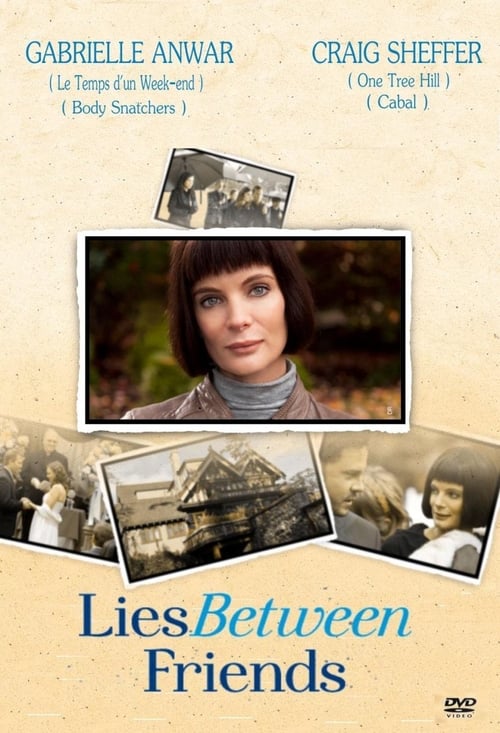
Lies Between Friends
2010
No user ratings available yet
Representation score: 1.4 out of 10
Representation Score
Limited
2000
RDirector
Cameron Thor
Runtime
89 minutes
Average Rating
No ratings yetNew Showbiz Analysis
The film follows a standard ensemble drama format focused on a group of former schoolmates dealing with a mysterious past and shared trauma. This narrows the potential for diverse representation. While the cast includes prominent actresses, the story doesn't challenge traditional gender power dynamics. The social group portrayed is largely uniform, sticking to conventional Western archetypes. The film doesn't use its platform to address underrepresented identities or challenge social hierarchies.
Category Breakdown
The film doesn't include any explicit mentions of LGBTQ+ characters or non-traditional gender identities. The story revolves around a group of former schoolmates dealing with shared trauma, but it doesn't address assumptions about straight relationships.
The cast includes well-known actresses like Christina Applegate and Molly Ringwald, but their roles follow typical ensemble structures. The film doesn't challenge traditional gender hierarchies.
The cast seems to fit traditional Western ensemble types. The story focuses on a mostly homogenous social group without much diversity in ethnicity or race.
The story centers on personal trauma and interpersonal conflicts in a remote location. It avoids religious themes but doesn't emphasize secular or anti-capitalist ideas.
The film doesn't feature any characters with visible or invisible disabilities. It doesn't explore how neurodivergence or mental health issues affect the characters.
Present on Screen
Limited or Absent
Official Synopsis
Nine former schoolmates, staying at a secluded mountain cabin for a reunion, try to figure out why one of their friends and their hostess would invite them there and commit suicide which prompts them to look into the mysterious and dark past of their 10th friend.
2010

2017

2014

2001

2002
2009
2007
2011
No reviews yet. Be the first to share your thoughts on this movie!
Use the rating form above to leave a star rating and optional review.