
Love Comes Softly
2003
No user ratings available yet
Diversity score: 1.5 out of 10
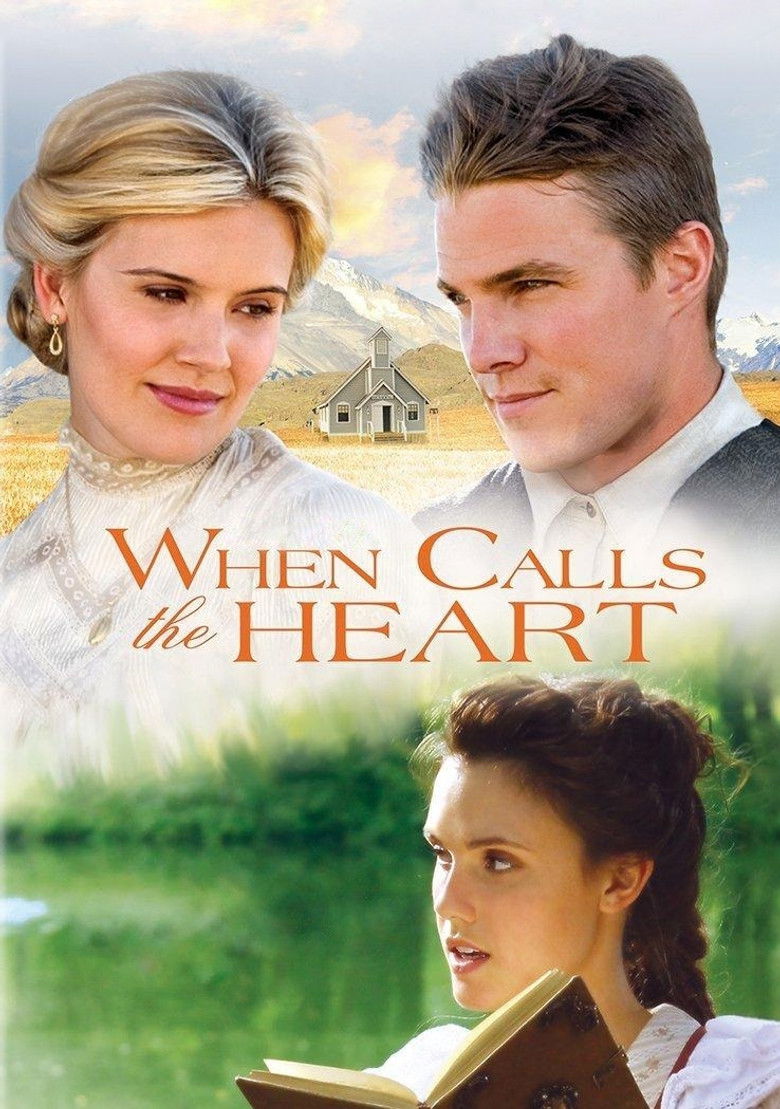
2013
TV-GDirector
Michael Landon Jr.
Runtime
90 minutes
Average Rating
No ratings yetSynopsis
Elizabeth Thatcher, a cultured young teacher in 1910, fears leaving her comfortable world in the city. But when she accepts a teaching position in a frontier town, she finds new purpose and love with a handsome Royal Canadian Mountie.
Overall Score
Minimal
Category Breakdown
LGBTQ+ Representation
The narrative follows a strictly heteronormative trajectory centered on a traditional romance. There is no presence of non-cisnormative identities or same-sex intimacy.
Gender Representation
Elizabeth Thatcher provides a nuanced portrayal of female agency through her professional teaching career. While the story moves toward traditional romance, her intellectual independence is a key focus.
Racial & Ethnic Diversity
The cast is highly homogeneous, reflecting a predominantly white community in 1910 Alberta. The plot lacks significant engagement with diverse ethnic perspectives or race-bent casting.
Religious & Cultural Diversity
The film reinforces traditional Western institutions and Christian morality. It emphasizes social cohesion, respect for authority, and a virtue-based framework as essential to the community.
Disability Representation
There are no prominent depictions of physical, neurodivergent, or mental health disabilities. Characters function within a standard range of physical and cognitive ability.
Strengths
Areas for Improvement
AI Analysis
The film is a traditionalist production that prioritizes historical romanticism and the reinforcement of established social and religious hierarchies. It functions primarily as a vehicle for conventional Western values and community stability. While the protagonist offers a degree of female agency through her professional pursuits, the broader narrative architecture remains narrow. The lack of intersectional representation across racial, LGBTQ+, and disability categories results in a low overall score. Ultimately, the work focuses on a singular moral framework and a homogeneous social structure, offering little room for diverse or progressive perspectives.
2003

2006
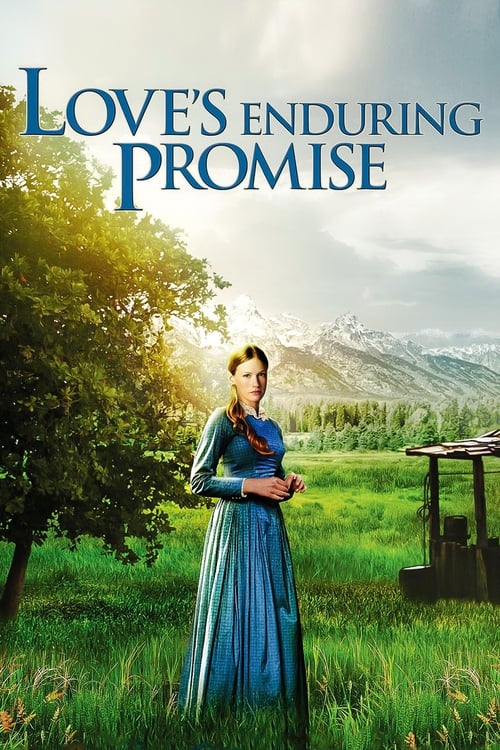
2004
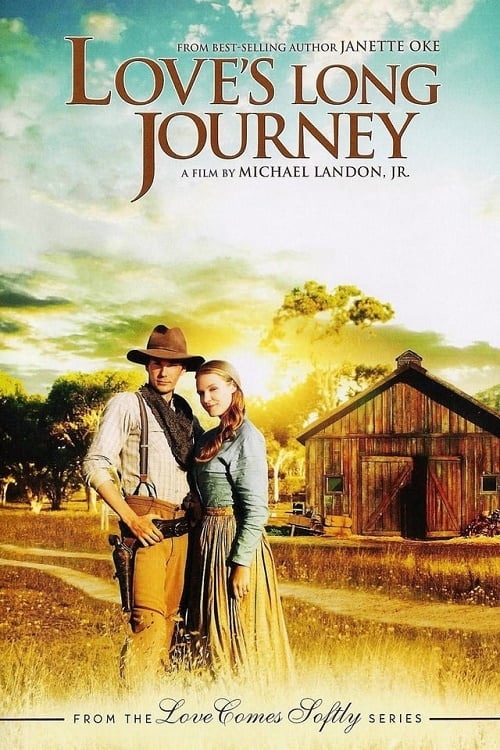
2005
No reviews yet. Be the first to share your thoughts on this movie!
Use the rating form above to leave a star rating and optional review.