
Ay Lav Yu Tuu
2017
No user ratings available yet
Diversity score: 5.2 out of 10

2010
Director
Sermiyan Midyat
Runtime
102 minutes
Average Rating
No ratings yetSynopsis
Mukhtar Yusuf Ağa’s unregistered village in eastern Anatolia has been championed through letters to government officials, and his lost son İbrahim, rescued and registered by Father Hana, is finally returning at age 30 with his American love Jessica; the question is whether Tinne can become their true homeland.
Overall Score
Good
Category Breakdown
LGBTQ+ Representation
The film centers on a protagonist navigating repressed sexuality within a conservative social framework. It provides a sophisticated critique of how traditional structures impose a psychological toll on non-heteronormative identities.
Gender Representation
A traditional patriarchal hierarchy dominates the social landscape, where marriage and family honor regulate behavior. While the film critiques rigid masculine archetypes, the external world remains anchored in conventional gender expectations.
Racial & Ethnic Diversity
The story offers a culturally specific portrayal of Eastern Anatolian life. While the cast is ethnically homogeneous, it provides significant depth to a regional identity often marginalized in broader cinema.
Religious & Cultural Diversity
The narrative critiques traditionalist institutions by portraying religious and communal codes as drivers of repression. It prioritizes individual autonomy over the oppressive moral frameworks of the village.
Disability Representation
There is no significant evidence regarding the portrayal of visible or invisible disabilities within the film.
Strengths
Areas for Improvement
AI Analysis
Ay Lav Yu is a work of narrative subversion that uses a localized, traditional setting to deconstruct communal expectations. Its primary strength lies in its ability to frame the tension between individual agency and the weight of collective social hierarchies. The film succeeds by centering a complex queer identity, moving beyond mere caricature to explore the psychological reality of living in a restrictive environment. This approach allows for a nuanced critique of provincial heteronormativity. However, the film remains tethered to a patriarchal social structure. While it critiques these roles, the surrounding world is defined by rigid gender expectations and traditional family pressures that limit broader representation.
2017

2013
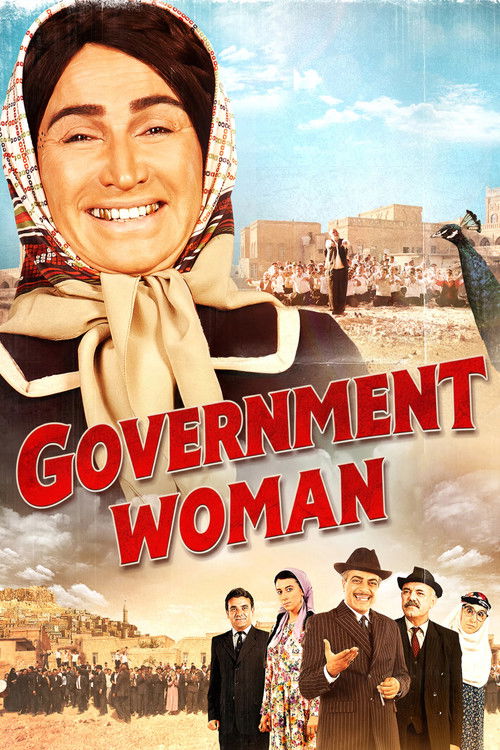
2013

2014

2007
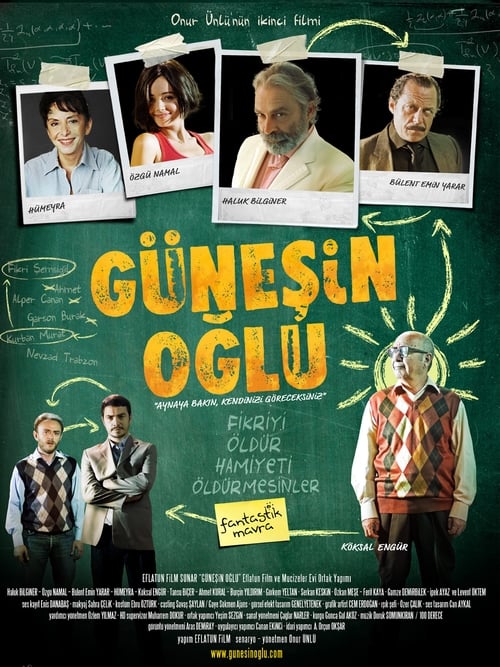
2008

2014

2011

2010

2002

2005

2015
No reviews yet. Be the first to share your thoughts on this movie!
Use the rating form above to leave a star rating and optional review.