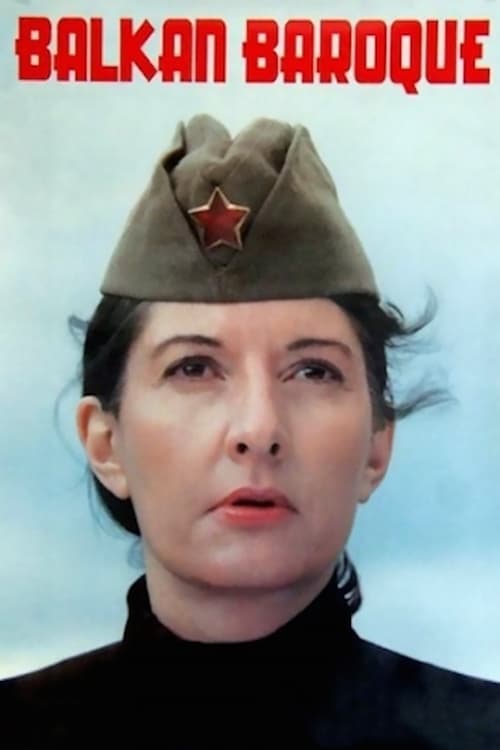
Balkan Baroque
1999
No user ratings available yet
Representation score: 6.6 out of 10
Representation Score
Good
1989
Director
Charles Atlas, Marina Abramović
Runtime
6 minutes
Average Rating
No ratings yetNew Showbiz Analysis
SSS is a profound autobiographical study that centers on a woman's ability to act. By using her body as a site of ritual and power, the film successfully challenges traditional gender hierarchies and the male gaze. The work also provides a departure from Western-centric narratives by connecting personal history with the cultural nuances of the former Yugoslavia. This adds significant depth to the biographical structure. While the film lacks explicit representation of disability or overt LGBTQ+ themes, it excels in its portrayal of non-traditional relationships and secular spirituality.
Category Breakdown
The film examines unconventional relationship dynamics through the breakdown of Abramović and Ulay's partnership. Although it doesn't feature an explicit queer romance, it provides a meaningful look at non-traditional domestic life.
Abramović asserts complete physical and intellectual independence, rejecting submissive roles. The narrative shifts from a male-dominated perspective to center a powerful, self-driven female viewpoint.
The film highlights Balkan identity by referencing the former Yugoslavia. This non-Western perspective challenges Anglo-centric biographies through specific ethnic history.
It emphasizes a personalized, secular spirituality through ritualistic actions. The film prioritizes individual internal truth and philosophical growth over organized religion or institutional frameworks.
There is no explicit depiction of physical or neurodivergent disabilities in the film.
Present on Screen
Limited or Absent
Official Synopsis
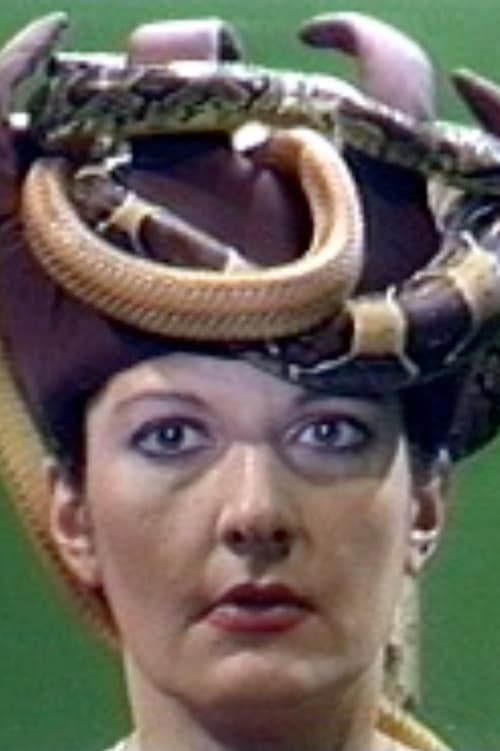
Marina Abramovic collaborated with videomaker Charles Atlas on this striking work of autobiographical performance. Abramovic delivers a monologue that traces a concise personal chronology. This brief narrative history, which references her past in the former Yugoslavia, her performance work, and her collaboration with and separation from Ulay, is intercut with images of Abramovic engaged in symbolic gestures and ritual acts—scrubbing her feet, staring like Medusa as snakes writhe on her head. Closing her litany with the phrase "time past, time present," Abramovic invokes the personal and the mythological in a poignant affirmation of self.
1999
1983
1992
2008
1994
2012
1985
2014
No reviews yet. Be the first to share your thoughts on this movie!
Use the rating form above to leave a star rating and optional review.