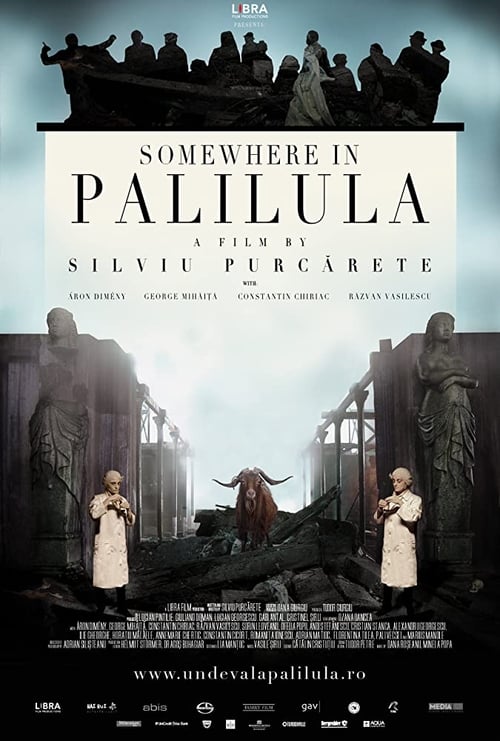
Somewhere in Palilula
2012
No user ratings available yet
Representation score: 4.4 out of 10

Representation Score
Fair
1976
Director
Alexandru Tatos
Runtime
86 minutes
Average Rating
No ratings yetNew Showbiz Analysis
Red Apples is a character-driven drama that prioritizes systemic critique over demographic breadth. The film's strength lies in its thematic exploration of ethical dissonance and the friction between individual morality and institutional rigidity. However, the film lacks verifiable data regarding specific identity-based representation. The focus on a medical professional's struggle against superiors leaves much of the social landscape unexamined. Ultimately, the work functions more as a study of professional ethics than a diverse social tapestry, making its impact more intellectual than representative.
Category Breakdown
The film does not include any explicit evidence of LGBTQ+ characters or non-straight relationships. The narrative focuses on professional and ethical conflicts within a medical setting.
The story centers on a protagonist navigating a professional hierarchy. While the urologist's gender is not specified, the conflict suggests a potential for disrupting established power dynamics.
There is no information regarding the ethnic composition of the cast or setting. The 1976 production context offers no evidence of intentional racial blending.
The film engages with themes of systemic dysfunction and institutional corruption. The protagonist's struggle against a rigid hospital hierarchy suggests a critique of traditional authority.
There is no evidence of characters with visible or invisible disabilities within the narrative.
Present on Screen
Limited or Absent
Official Synopsis
In Alexandru Tatos’s debut film, a young urologist is assigned to a town hospital with no urology ward and keeps bumping up against his superiors because of both ethical and medical problems.
2012
1965
1978

1979
2018
1971
1971
1982
No reviews yet. Be the first to share your thoughts on this movie!
Use the rating form above to leave a star rating and optional review.