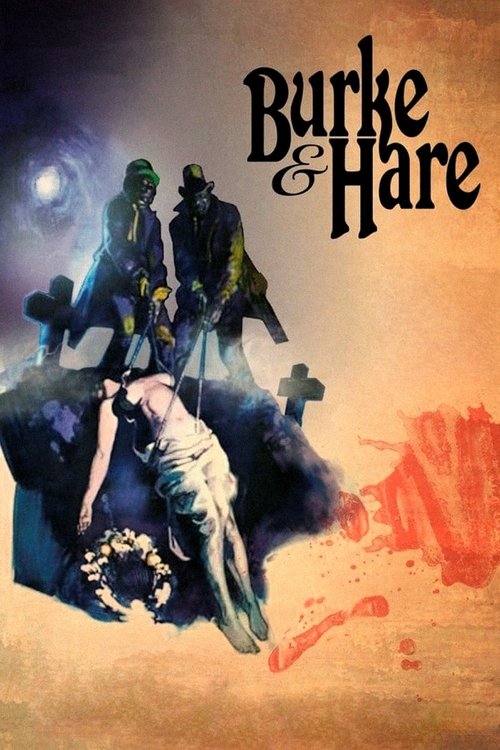
Burke & Hare
1972
No user ratings available yet
Representation score: 2.9 out of 10
Representation Score
Limited
2010
RDirector
John Landis
Runtime
91 minutes
Average Rating
No ratings yetNew Showbiz Analysis
Burke & Hare is a historical dark comedy that prioritizes genre-driven storytelling and social critique over demographic variety. The narrative focuses on the economic desperation of two 19th-century opportunists and the corruption of the medical establishment. While the film lacks identity-based representation, it offers a sophisticated look at systemic corruption. It moves beyond simple moralism to examine how socio-economic pressures drive human behavior during the Victorian era. Ultimately, the film's value lies in its potential to deconstruct traditional morality through its depiction of the anatomical trade rather than through diverse character identities.
Category Breakdown
The film does not include any evidence of queer identities or non-assuming gender matches what was assigned at birth character arcs. It follows traditional structures that assume everyone is straight and cisgender.
The story centers around a male-dominated criminal enterprise. There is no indication of women taking significant roles or challenging traditional gender power dynamics.
The narrative likely reflects the demographic homogeneity of 19th-century Edinburgh. It lacks evidence of diverse casting or the exploration of systemic exploitation of underrepresented groups.
The film critiques 19th-century economic structures and institutional corruption. It explores the commodification of life and complex situational ethics through the anatomical trade.
There is no mention of characters with physical or neurodivergent disabilities. The synopsis does not include any representation of disability.
Present on Screen
Limited or Absent
Official Synopsis
Two 19th-century opportunists become serial killers so that they can maintain their profitable business supplying cadavers to an anatomist.
1972
1945
2008
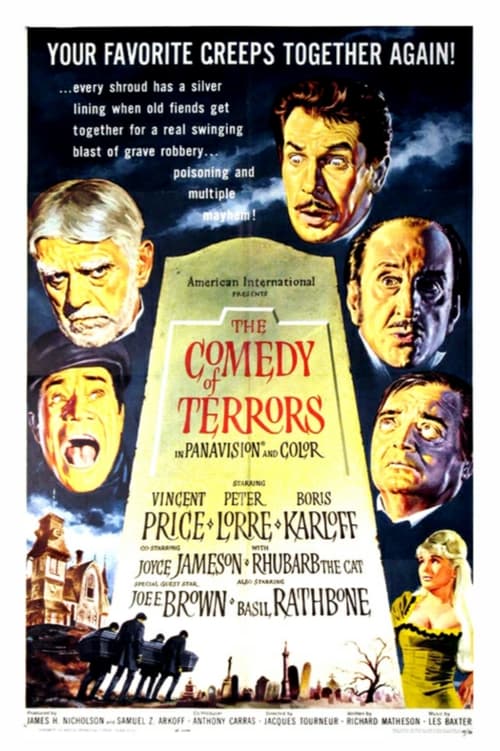
1964
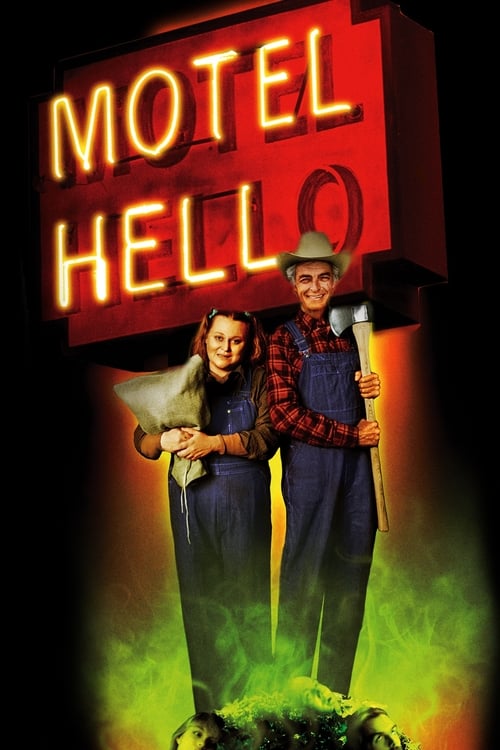
1980
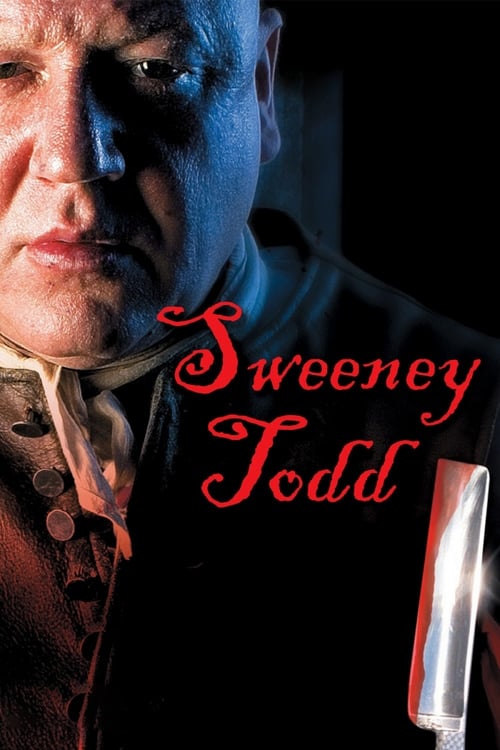
2006
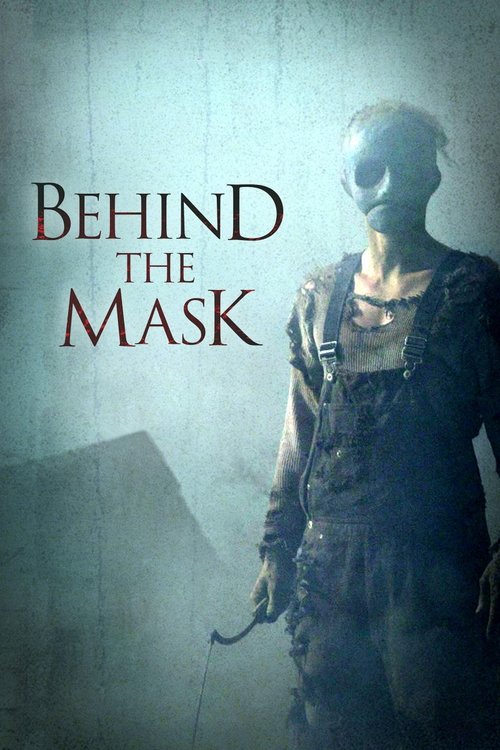
2006
1971
No reviews yet. Be the first to share your thoughts on this movie!
Use the rating form above to leave a star rating and optional review.