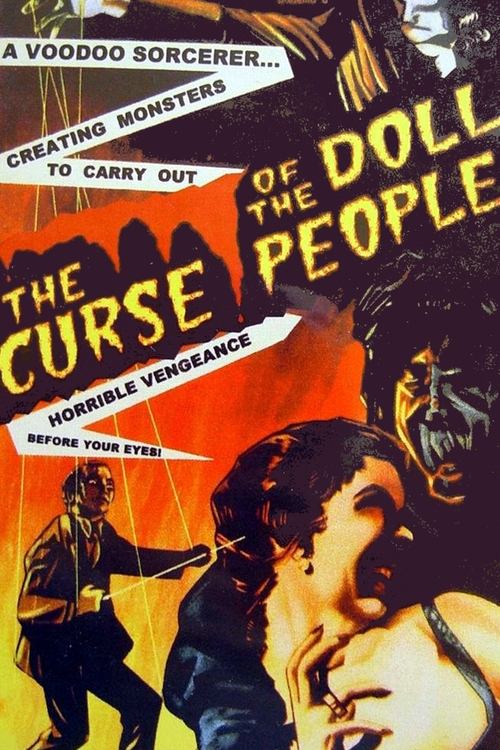
The Curse of the Doll People
1961
No user ratings available yet
Representation score: 2.3 out of 10
Representation Score
Limited
1961
Director
Barry Mahon
Runtime
71 minutes
Average Rating
No ratings yetNew Showbiz Analysis
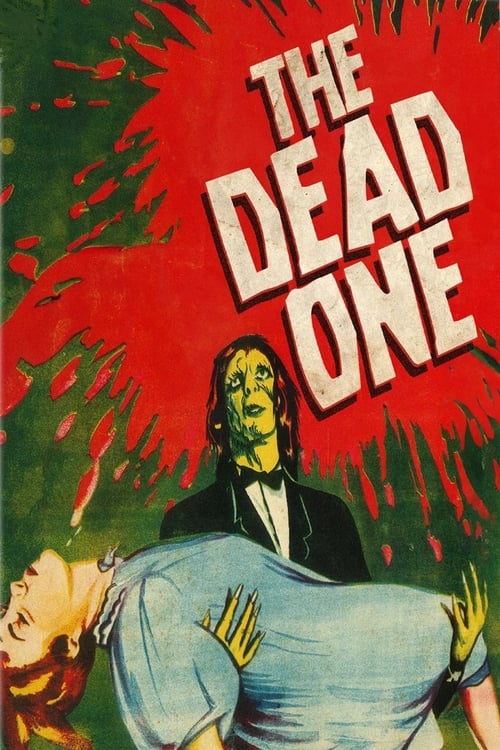
The Dead One adheres to the typical exploitation clichés of the early 1960s. Although it offers a minor departure from traditional gender roles through its female lead, the narrative centers on visceral genre engagement rather than social commentary. Representation in the film is largely driven by exoticized cultural clichés and archetypal characters, limiting its depth in reflecting diverse identities.
Category Breakdown
The film does not include any LGBTQ+ characters or narratives. It follows traditional 1960s genre conventions that do not address non-straight identities or same-sex relationships.
A female voodoo priestess holds a powerful position, breaking the passive female victim stereotype. However, she is portrayed primarily as a menacing figure linked to ritualistic themes.
The story uses Afro-Caribbean voodoo themes, but these often serve as exoticized plot devices. The representation focuses more on stereotypical characters rather than authentic, actively leading figures of color.
While the film explores supernatural themes beyond Christian morality, it portrays voodoo as a source of horror. This reinforces Western-centric views of non-Western spiritual practices.
There is no discernible evidence regarding the portrayal of physical or neurodivergent disabilities within the film.
Present on Screen
Limited or Absent
Official Synopsis
A voodoo priestess sends out zombies to bring back live victims for her sacrificial rituals.
1961
1960
1965
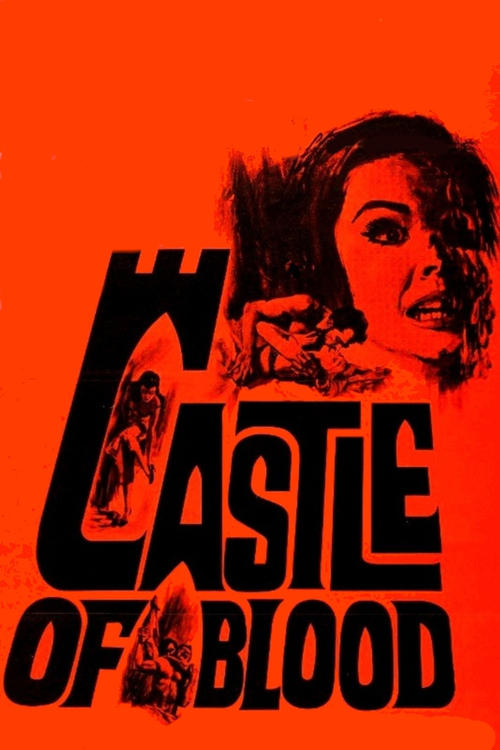
1964
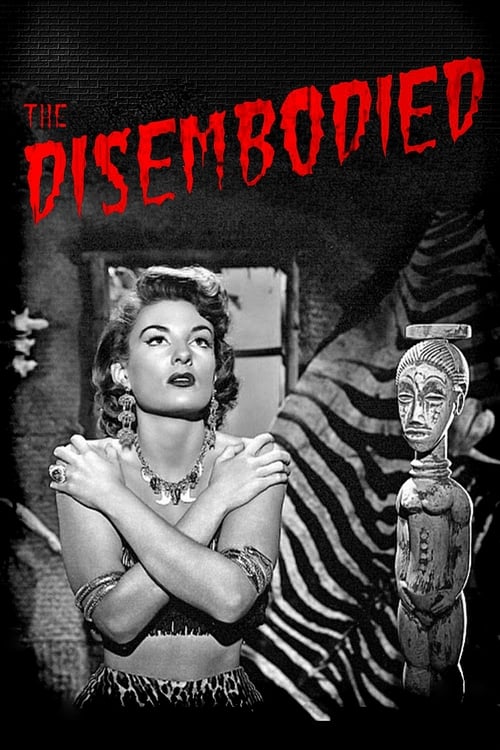
1957
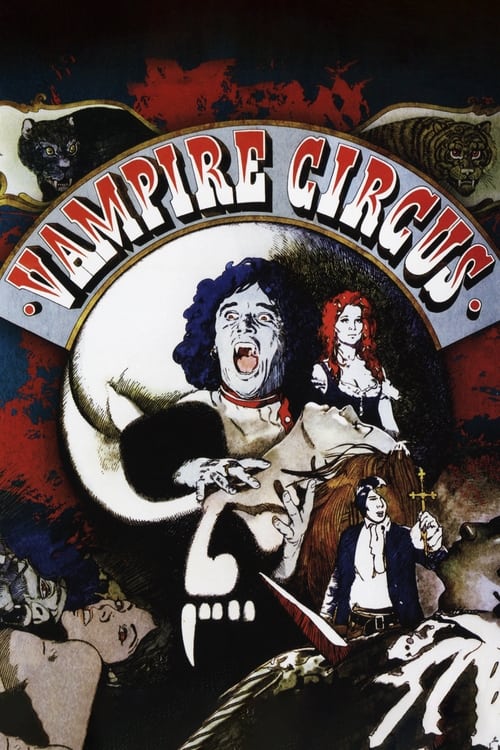
1972
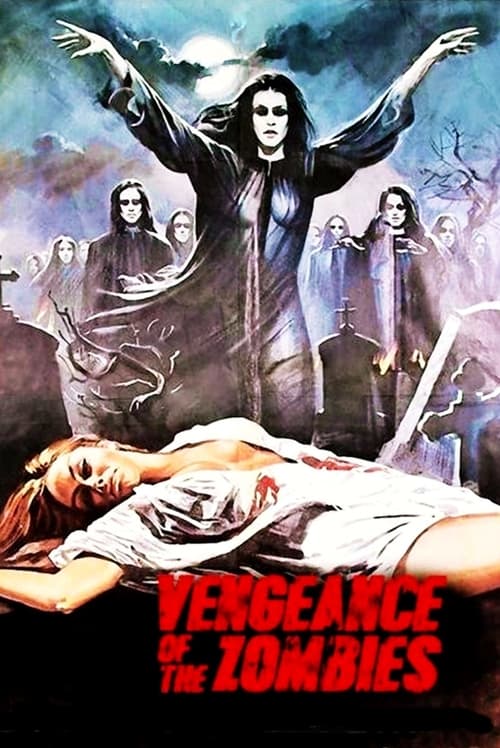
1973
1966
No reviews yet. Be the first to share your thoughts on this movie!
Use the rating form above to leave a star rating and optional review.