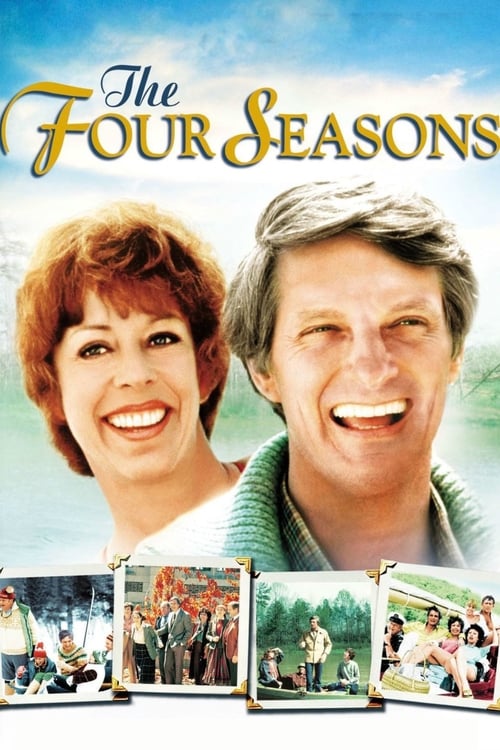
The Four Seasons
1981
No user ratings available yet
Diversity score: 2.0 out of 10

1996
PG-13Director
Robert Harling
Runtime
129 minutes
Average Rating
No ratings yetSynopsis
Continuing the story of Aurora Greenway in her latter years. After the death of her daughter, Aurora struggled to keep her family together, but has one grandson in jail, a rebellious granddaughter, and another grandson living just above the poverty line.
Overall Score
Limited
Category Breakdown
LGBTQ+ Representation
The film offers no evidence of LGBTQ+ characters or narratives addressing non-cisnormative identities. There is a complete absence of queer representation in the provided story details.
Gender Representation
Aurora Greenway serves as a central matriarchal figure, shifting the family's emotional weight away from traditional patriarchal structures. The narrative focuses on her struggle to maintain family cohesion.
Racial & Ethnic Diversity
There is no information regarding the racial or ethnic composition of the cast or setting. The film's documentation lacks any mention of non-Anglo-Saxon characters.
Religious & Cultural Diversity
The story explores social fragmentation by depicting systemic dysfunction, such as incarceration and economic instability. It moves away from idealized family tropes to focus on socioeconomic pressures.
Disability Representation
The narrative contains no mention of characters navigating physical, mental, or neurodivergent conditions. No disability representation is present in the current context.
Strengths
Areas for Improvement
AI Analysis
The film functions primarily as a character study of a female matriarch navigating the decline of her family unit. While it avoids the trope of the 'perfect' family by highlighting poverty and incarceration, the narrative remains narrow in its demographic scope. Diversity is limited by a lack of visible representation across several key categories. The film's strength lies in its subversion of traditional domestic stability, yet it fails to provide a broad spectrum of identities. Ultimately, the film's focus is deeply localized within a specific, unverified demographic, leaving significant gaps in racial, LGBTQ+, and disability representation.
1981
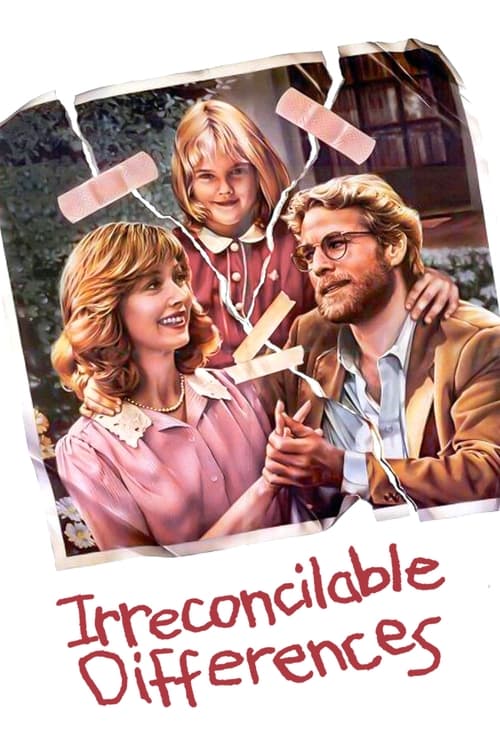
1984
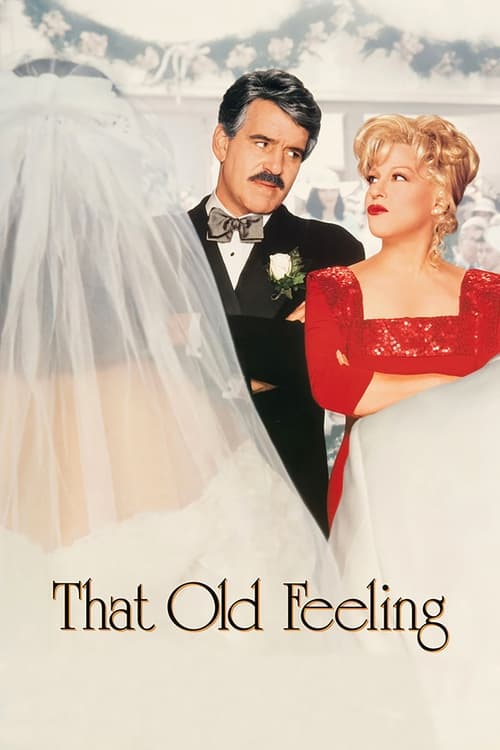
1997
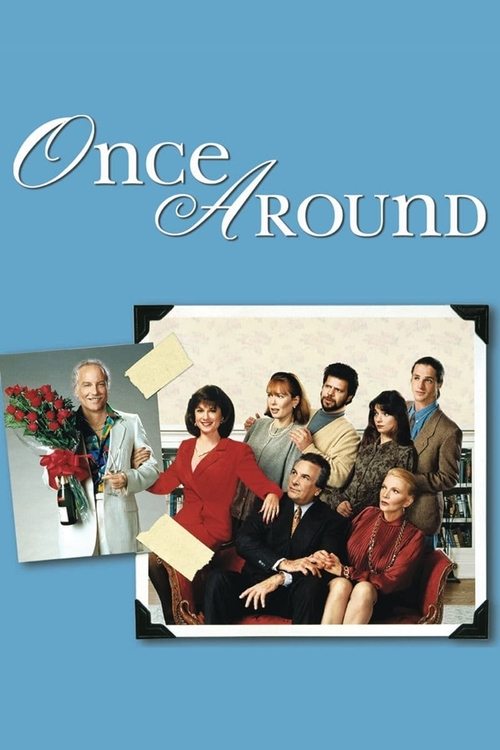
1991
1985
1991
2015

2002
1987
2005

2013
1995
No reviews yet. Be the first to share your thoughts on this movie!
Use the rating form above to leave a star rating and optional review.