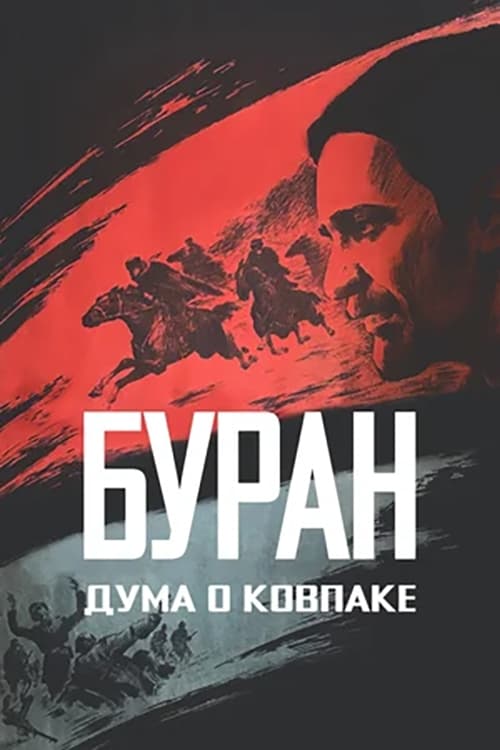
Poem of Kovpak: Snow-Storm
1976
No user ratings available yet
Diversity score: 4.1 out of 10
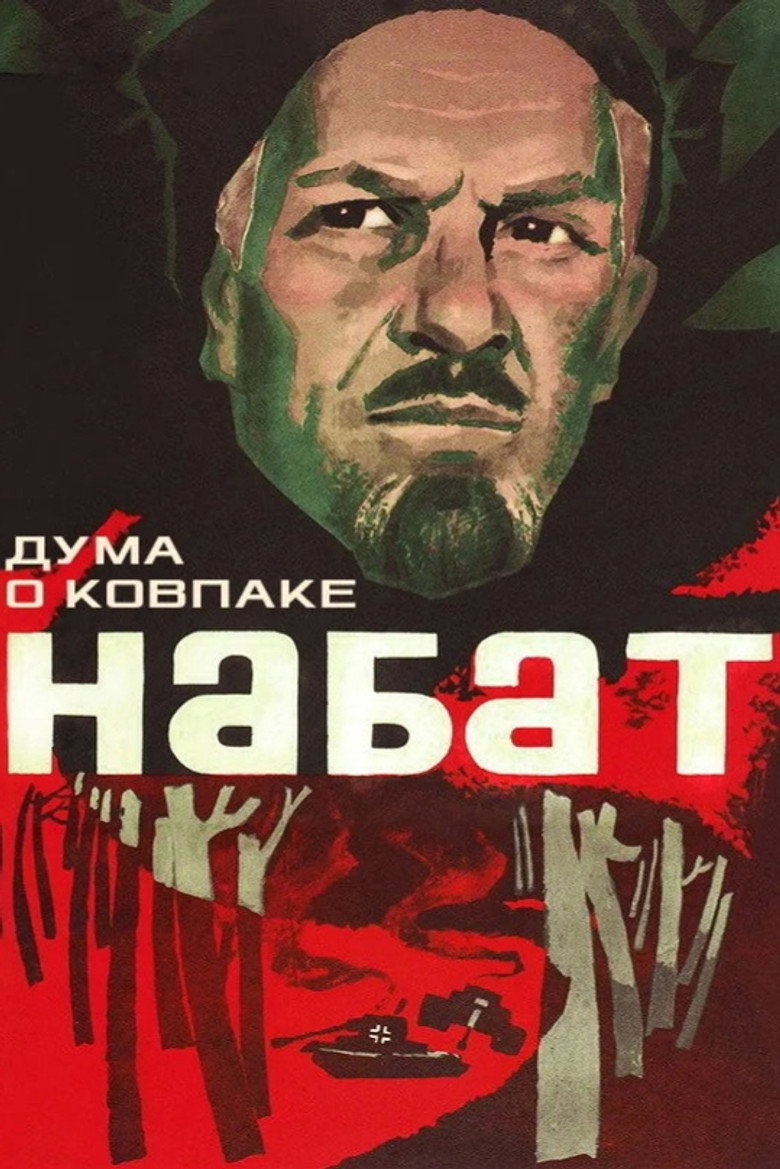
1974
Director
Timofei Levchuk
Runtime
97 minutes
Average Rating
No ratings yetSynopsis
A first of a series of movies about Kovpak - the partisans chief during WWII.
Overall Score
Limited
Category Breakdown
LGBTQ+ Representation
The film lacks any evidence of LGBTQ+ characters or non-heteronormative narratives. It adheres to the standard social norms of the Soviet wartime era.
Gender Representation
Women appear in high-agency roles like medics or snipers, demonstrating strength and intellect. However, these roles are framed through gendered duty to the state rather than deconstructing hierarchies.
Racial & Ethnic Diversity
The cast likely reflects the multi-ethnic composition of the USSR. The narrative focuses on a unified Soviet identity rather than exploring specific ethnic nuances or race-bending.
Religious & Cultural Diversity
The film celebrates partisan resistance against Nazi occupation, prioritizing collective survival over Western individualist values. It frames the struggle through a lens of systemic resistance.
Disability Representation
There is no evidence of neurodivergence or physical disabilities being explored with agency. Physical trauma serves primarily as a plot device to illustrate the costs of war.
Strengths
Areas for Improvement
AI Analysis
Poem of Kovpak: Alarm is a historical epic centered on the collective struggle of the partisan movement during WWII. It functions as a state-sanctioned narrative of heroism, prioritizing the strength of the group over individual identity exploration. The film finds its strength in its anti-imperialist and anti-fascist framework, offering a cultural perspective that challenges established geopolitical hierarchies. This provides a sense of organized, non-traditional resistance. However, the work lacks modern intersectional markers. It provides little to no visibility for LGBTQ+ identities or nuanced disability representation, focusing instead on the broader proletarian struggle and wartime necessity.
1976
1974
1990
1968
1970
1968
1983
No reviews yet. Be the first to share your thoughts on this movie!
Use the rating form above to leave a star rating and optional review.