
Rajamma @ Yahoo
2015
No user ratings available yet
Representation score: 4.4 out of 10
Representation Score
Limited
2014
GDirector
Shibu Gangadharan
Runtime
133 minutes
Average Rating
No ratings yetNew Showbiz Analysis
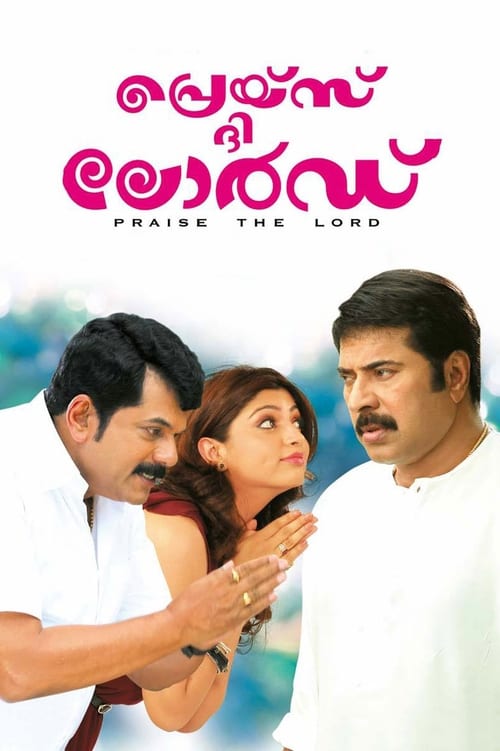
Praise the Lord is a regional social satire that focuses on institutional critique rather than identity politics. Its strength lies in its postmodern deconstruction of religious authority and the intersection of faith with financial opportunism. While the film excels in challenging the sanctity of religious structures through satire, it remains limited in terms of diverse representation. The narrative centers on a specific ethnic and religious demographic without broadening to include other social identities. Ultimately, the film serves as a localized commentary on communal structures, offering a sophisticated critique of systemic hypocrisy but lacking in diversity regarding gender, sexuality, and disability.
Category Breakdown
The film does not feature any LGBTQ+ characters or situations that challenge traditional heterosexual norms. The romantic storyline adheres to conventional frameworks without any queer undertones.
The story unfolds within traditional social structures common in rural Kerala. Women play minor roles and there is no indication of them disrupting patriarchal norms or having significant influence over the plot.
The cast primarily consists of Malayali actors, offering a culturally specific portrayal of a Christian community in India. However, the film remains ethnically uniform within its regional setting.
The film employs satire to critique the commercialization of religion and religious hypocrisy. It effectively highlights how spiritual institutions can mirror exploitative capitalist systems.
There are no characters with visible or invisible disabilities that play a central role in the plot or character development.
Present on Screen
Limited or Absent
Official Synopsis
An immensely rich farmer lives peacefully with his family in Pala and has no idea about the hectic metro life. He gets introduced to it when he hides a love-stricken couple in his house.
2015

2019

2015

2015
2000

1996

2014

2015
No reviews yet. Be the first to share your thoughts on this movie!
Use the rating form above to leave a star rating and optional review.