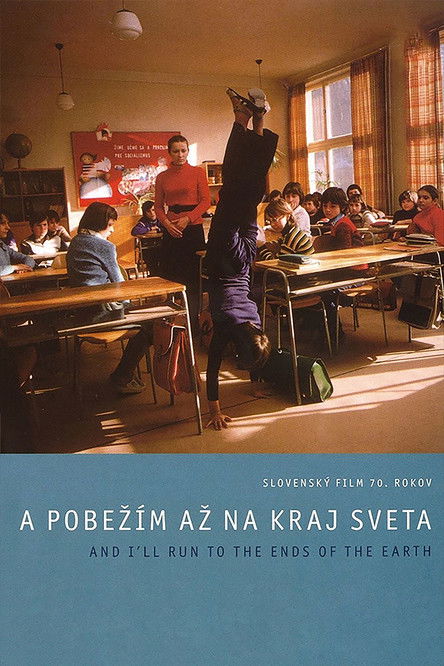
And I'll Run to the Ends of the Earth
1980
No user ratings available yet
Representation score: 5.8 out of 10
Representation Score
Good
1984
PGDirector
Yvonne Mackay
Runtime
92 minutes
Average Rating
No ratings yetNew Showbiz Analysis
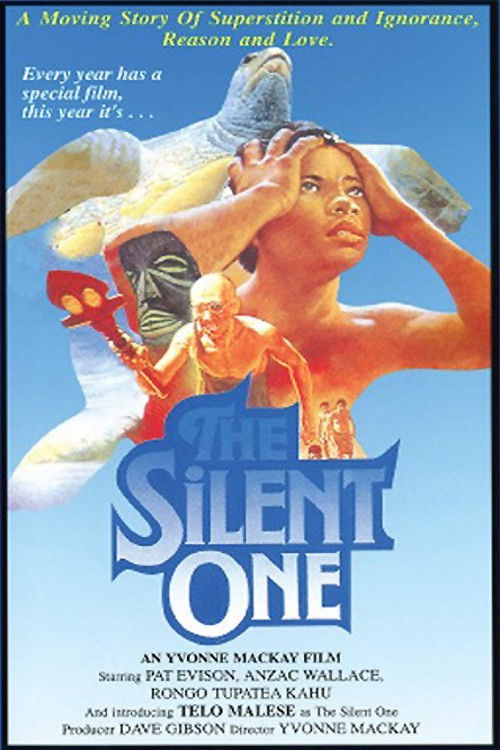
The Silent One stands out for its empathetic portrayal of a deaf and mute protagonist, exploring social stigma and exclusion. By setting the story in a Pacific Island context, the film presents a non-Western perspective on tribal leadership. A female character demonstrates a significant role in driving the story by challenging traditional patriarchal structures. However, the film lacks modern multi-layered markers, particularly in representing LGBTQ+ identities, and stays within a traditional dramatic framework without broader social critiques.
Category Breakdown
The film does not include any explicit representations of LGBTQ+ identities or non-cisgender gender expressions. The story focuses on tribal dynamics and the protagonist's isolation.
A childless woman takes a significant role by adopting the protagonist, which breaks away from typical domestic roles. She acts who play a significant role in driving the story, challenging the patriarchal authority of the priest and chief.
Set in the Pacific Islands, the film shifts the narrative away from Western perspectives. The story centers on indigenous leadership and the internal social structures of a non-Western community.
The story criticizes dogmatic power by having a priest blame a underrepresented person for a drought. It explores the tension between religious authority and communal protection.
The protagonist's deafness and muteness create central social conflicts. The film examines how sensory disabilities are viewed through the lens of social stigma and exclusion.
Present on Screen
Limited or Absent
Official Synopsis
A baby is washed up on a Pacific Island and is adopted by a childless woman. The tribal priest takes an instant dislike to the child, proclaiming him a demon. The child is deaf and mute and therefore excluded from hunting with the other young men. Out of loneliness, he befriends a white turtle. When a drought befalls the island, the priest blames the silent one. When the chief protects the boy, the priest plots the chiefs' downfall.
1980

2021
1976
1984

1969

1982

2002

2005
No reviews yet. Be the first to share your thoughts on this movie!
Use the rating form above to leave a star rating and optional review.