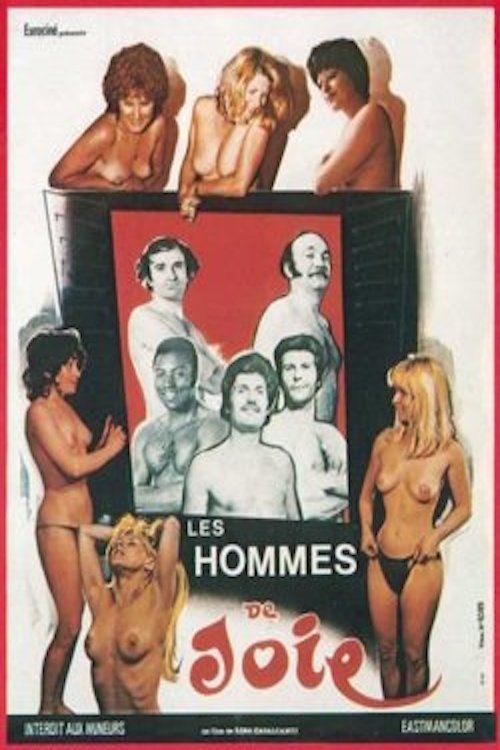
Ladies House of Pleasure
1976
No user ratings available yet
Representation score: 5.1 out of 10
Representation Score
Fair
1970
RDirector
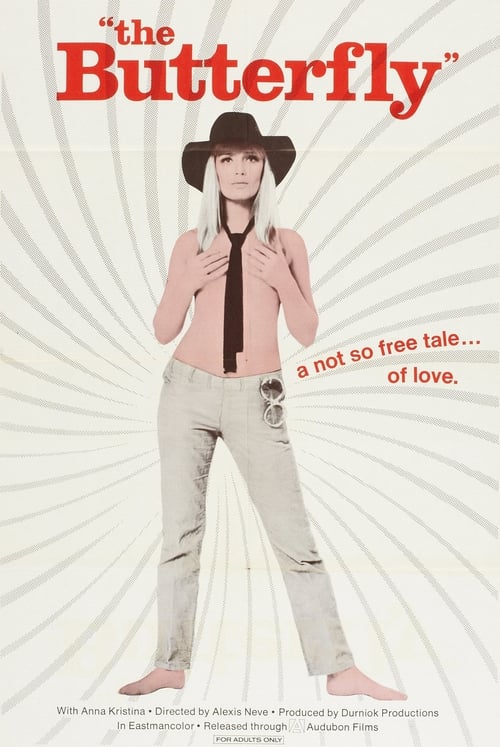
Alexis Neve
Runtime
96 minutes
Average Rating
No ratings yetNew Showbiz Analysis
The Butterfly provides a gritty character study that prioritizes the subversion of social and gendered expectations over broad demographic representation. It challenges the era's conventional morality by framing the protagonist's choices as survival tactics within a predatory urban environment. However, the film's scope is narrow. It lacks meaningful engagement with LGBTQ+ identities or racial diversity, focusing instead on a specific European socio-economic transition. This creates a narrative that is intellectually provocative regarding gender and ethics but demographically homogenous. Ultimately, the film's strength lies in its refusal to treat its protagonist as a moral failure, instead highlighting the systemic pressures of the big city.
Category Breakdown
The film does not explicitly depict LGBTQ+ identities or relationships outside of traditional heterosexual norms. The story centers on the protagonist's transition into urban sex work.
The story challenges traditional female roles by focusing on a woman's active role in a high-risk profession. Kirsten's journey defies the submissive female stereotypes common in 1970s cinema.
There is no indication of a diverse or non-Anglo-Saxon cast. The setting suggests a specific European socio-economic context without intentional racial diversity.
The film critiques traditional social structures through a lens of moral relativism. It presents sex work as a systemic necessity rather than a moral failing.
The narrative does not include any characters dealing with physical, neurodivergent, or mental health conditions.
Present on Screen
Limited or Absent
Official Synopsis
Kirsten Kosinski (Anna Kristina) leaves her provincial town to work in the big city. After getting a job as a secretary, she finds herself occasionally "sellin her charms." Eventually, she becomes a full-time prostitute and feels the need to ensure the protection of a pimp to survive in this environment.
1976
1964
1975
1967

1975
1961
1973

1983
No reviews yet. Be the first to share your thoughts on this movie!
Use the rating form above to leave a star rating and optional review.