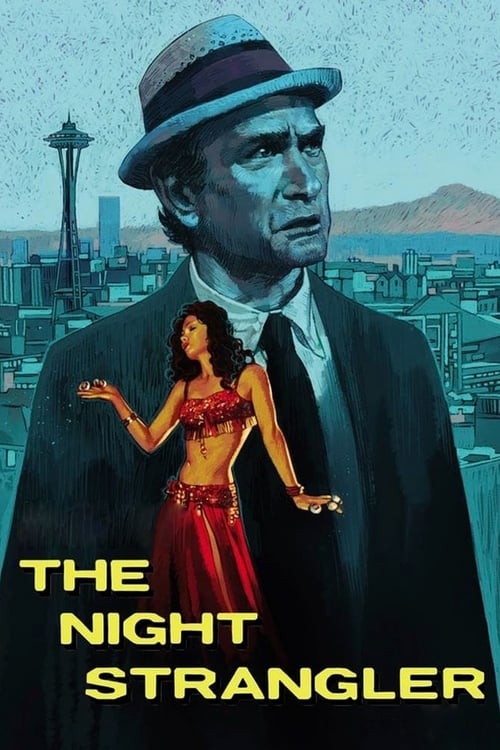
The Night Strangler
1973
No user ratings available yet
Representation score: 1.2 out of 10
Representation Score
Limited
1977
UnratedDirector
Dan Curtis
Runtime
100 minutes
Average Rating
No ratings yetNew Showbiz Analysis
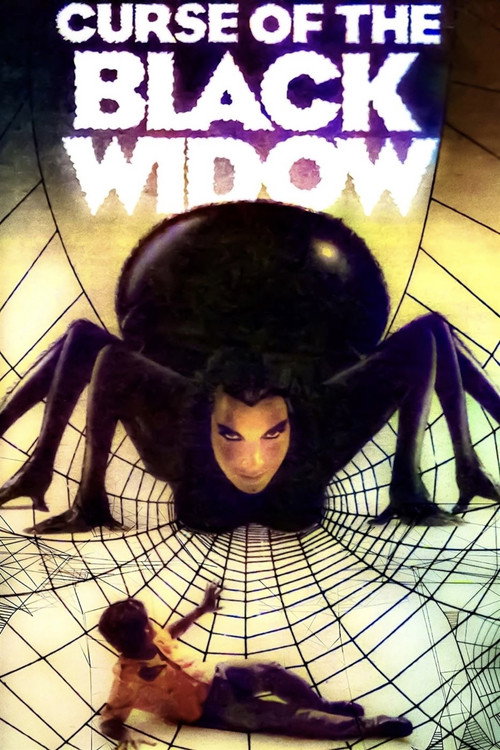
Curse of the Black Widow is a product of 1970s television standards, prioritizing genre-driven suspense over social complexity. While it offers a rare moment of women's ability to drive the story through its central antagonist, this power is used to fuel horror clichés rather than subvert them. The film's demographic makeup is largely homogenous, reflecting the era's conventional casting practices. It lacks the depth needed to challenge the status quo. Ultimately, the work functions as a traditional mystery. It adheres to established social frameworks and focuses on a standard pursuit of justice without exploring systemic critiques or diverse identities.
Category Breakdown
The film doesn't include any clearly defined LGBTQ+ characters or non-cisgender identities. The interpersonal dynamics focus on heterosexual interactions, particularly the antagonist's predatory behavior towards male victims.
The story centers on a powerful, predatory female character who drives the plot through her lethal actions. However, her role is framed through the lens of monstrosity, reinforcing traditional horror clichés.
The production features a predominantly white, Anglo-Saxon cast. There is no significant racial blending or characters of color with substantial roles.
The film follows traditional mystery structures and standard investigative paths. It does not challenge Western institutions or prioritize secularism or anti-capitalist themes.
There are no visible or invisible disabilities portrayed as central to the character arcs or plot progression.
Present on Screen
Limited or Absent
Official Synopsis
Tony Franciosa plays a detective who's on the trail of a murderer whose mutilated and predominantly male victims are found encased in silken cocoons...
1973
1970
1971

1964
1969

1975
1974
1972
No reviews yet. Be the first to share your thoughts on this movie!
Use the rating form above to leave a star rating and optional review.