
Princes In Exile
1991
No user ratings available yet
Representation score: 3.2 out of 10
Representation Score
Limited
2011
TV-PGDirector
Harris Nizam
Runtime
105 minutes
Average Rating
No ratings yetNew Showbiz Analysis
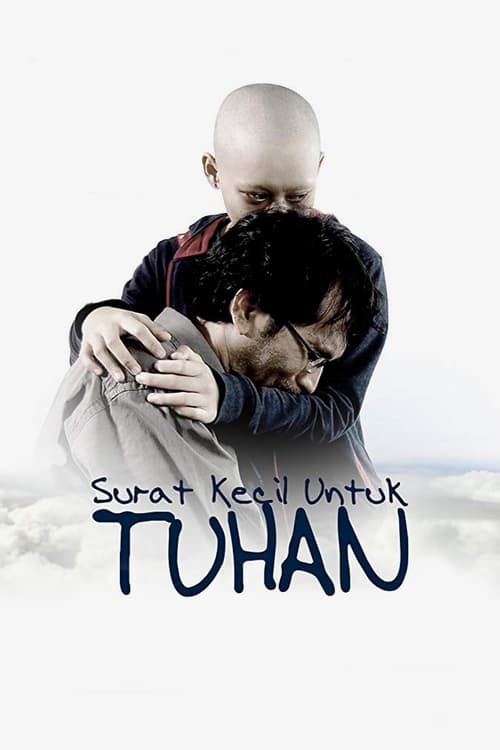
The film opens on a rural Indonesian landscape, establishing a world of tangible poverty where the family unit is the only reliable structure. It sells a vision of secular resilience: the family survives not because God answers, but because they work and love each other. The camera lingers on Keke’s face, treating her suffering as dignified rather than pitied, and her disfigurement as a constant reality rather than a temporary obstacle. The father’s economic struggle and the mother’s domestic labor are treated as the stable foundation for survival, with traditional gender roles unmarked as good. The film’s argument is that endurance and family cohesion are the only reliable currencies in a world that offers no external salvation. The last image rewards this internal strength, suggesting that the miracle is their continued existence, not a divine intervention. The film’s internal logic is consistent: the burden of survival falls entirely on the family, and the abstract concept of God or the state never pays a price for their absence. This is a quiet, authentic depiction of working-class resilience, where the traditional family is the hero and the system is the indifferent backdrop.
Category Breakdown
No same-sex intimacy or non-heteronormative identity appears. The narrative focuses entirely on Keke’s terminal illness and family dynamics, leaving LGBTQ+ themes absent from the story.
Keke anchors the moral center while her mother performs domestic care. The father acts as the primary economic provider, treating traditional gender roles as the stable foundation for survival.
The cast is entirely Indonesian, reflecting the specific rural setting. The film ignores racial hierarchy or cross-cultural dynamics, keeping focus on local class and family structures.
The nuclear family serves as the sole support system. Faith provides comfort rather than acting as a villain, positioning traditional cohesion and religious endurance as primary virtues against neglect.
Keke’s cancer and disfigurement are central, depicted with dignity rather than as a lesson. Her impairment remains a constant reality, validating her endurance without demanding a cure or mocking her body.
Present on Screen
Limited or Absent
Official Synopsis
Keke is a young girl with a loving father and mother, as well as loyal friends. She is diagnosed with Rhabdomyosarcoma (a cancer of connective tissues), which is unusual at her age. After undergoing twenty-five sessions of chemotherapy, the once healthy and beautiful Keke finds herself sickly and bald, with a disfigured face. Although the treatment initially works, the cancer returns a year later. Doctors estimate that Keke has three months to live. To help her deal with her pain, she begins keeping a diary; through her writing she finds the strength to hold on for a year. As she begins to accept her fate, she writes a letter to God in her diary, asking that her family be kept safe.
1991

2011
2005

2017

2005

2001

2003

1993
No reviews yet. Be the first to share your thoughts on this movie!
Use the rating form above to leave a star rating and optional review.