
Man of the Century
1999
No user ratings available yet
Representation score: 3.7 out of 10
Representation Score
Fair
1990
Director
Michael Raeburn
Runtime
98 minutes
Average Rating
No ratings yetNew Showbiz Analysis
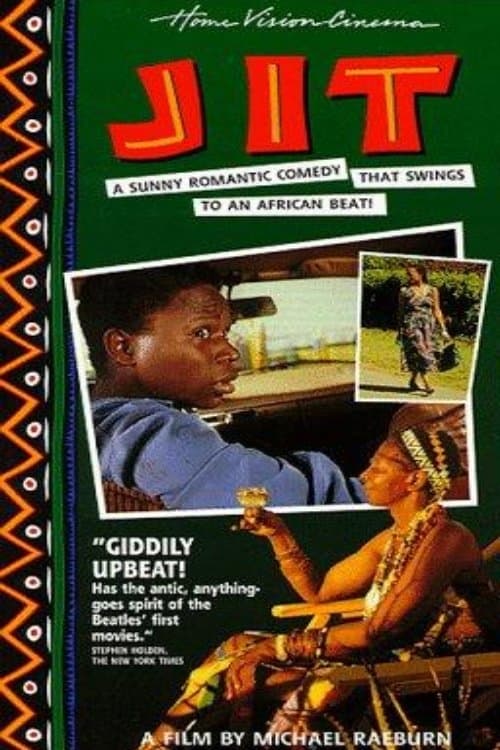
Jit (1990) stands out as a meaningful departure from Western-dominated cinema by centering its narrative within a South Asian landscape. By utilizing an Indian cast and setting, the film provides a strong sense of racial and ethnic authenticity that challenges Anglo-centric norms. However, the film remains tethered to traditional genre clichés. The romantic structure is driven primarily by a male protagonist, leaving the role of female characters unexamined. Additionally, the lack of visible LGBTQ+ representation suggests a focus on conventional social structures. Ultimately, the film's strength lies in its post-colonial context. While it follows standard romantic comedy beats, the intersection of personal desire and political unrest adds a layer of complexity to its cultural exploration.
Category Breakdown
The film does not feature any explicit LGBTQ+ characters or narratives. It focuses on traditional romantic relationships without challenging the assumption that everyone is straight or cisgender.
The plot follows a typical romantic storyline driven by a male protagonist. It is unclear if the female lead has a significant role in driving the story or challenges traditional hierarchies.
The film excels by centering South Asian identities through an Indian cast and setting. This approach moves away from Anglo-centric storytelling and Western-dominated structures.
The narrative engages with systemic instability within a volatile political landscape. This setting suggests a complex, situational understanding of character motivation within its cultural framework.
There is no documented evidence regarding the portrayal of physical or neurodivergent disabilities in the primary narrative arc.
Present on Screen
Limited or Absent
Official Synopsis
A young African man must try every trick in the book in this attempts to win the heart of the most beautiful girl in his village.
1999

1978

2024

2019

2017
1999
1967
1988
No reviews yet. Be the first to share your thoughts on this movie!
Use the rating form above to leave a star rating and optional review.