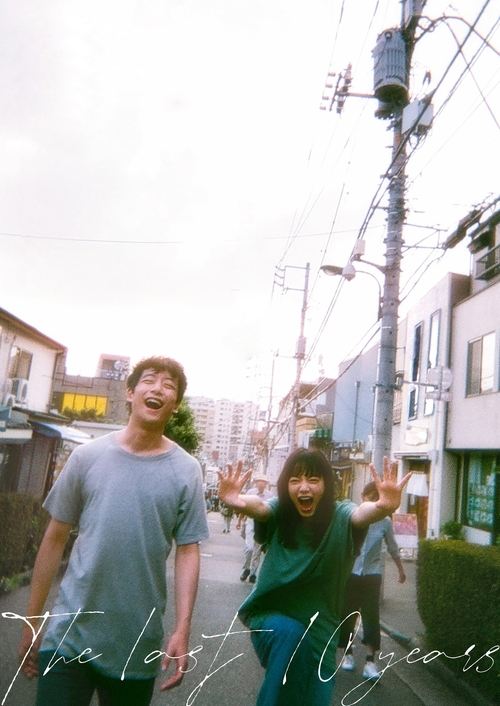
The Last 10 Years
2022
No user ratings available yet
Representation score: 4.1 out of 10

Representation Score
Good
2015
Director
Daishi Matsunaga
Runtime
120 minutes
Average Rating
No ratings yetNew Showbiz Analysis
Pieta in the Toilet is a somber exploration of human dignity within a collapsing socioeconomic system. While it lacks diversity in demographic representation, it excels in its systemic critique. The film uses a dystopian lens to examine how institutional neglect erodes the individual. The narrative prioritizes existential themes over identity politics. It focuses on the physical and psychological decay of a man facing terminal illness and dehumanizing labor conditions. This creates a heavy, focused atmosphere that favors social commentary over diverse character archetypes. Ultimately, the film's strength lies in its critique of capitalism. It trades traditional diversity metrics for a deep, albeit narrow, look at the erosion of the human condition under systemic pressure.
Category Breakdown
The story centers on a romantic relationship between Hiroshi and Mai, but it stays within traditional frameworks that assume everyone is straight or cisgender, without exploring other sexual orientations or gender identities.
The narrative focuses on a male protagonist's struggle with mortality and existential despair, depicting a traditionalist perspective rather than challenging gender hierarchies.
The film seems to take place in a localized, homogeneous urban environment. There is no indication of significant racial diversity or casting that reflects multiple aspects of identity.
The film provides a strong critique of highly stratified capitalist systems. It uses a dystopian setting to highlight dehumanizing labor and socioeconomic hardships.
A terminal medical condition serves as a central plot device. The film avoids clichés by focusing on the harsh realities of living with a serious illness.
Present on Screen
Limited or Absent
Official Synopsis
Hiroshi has given up on his dreams of becoming a painter and works part-time cleaning office windows. He learns that he has only 3 months left to live. During his last summer, high school student Mai appears. Hiroshi becomes attracted to her.
2022

2009

2019

2017

2022

2001

2014

2005
No reviews yet. Be the first to share your thoughts on this movie!
Use the rating form above to leave a star rating and optional review.