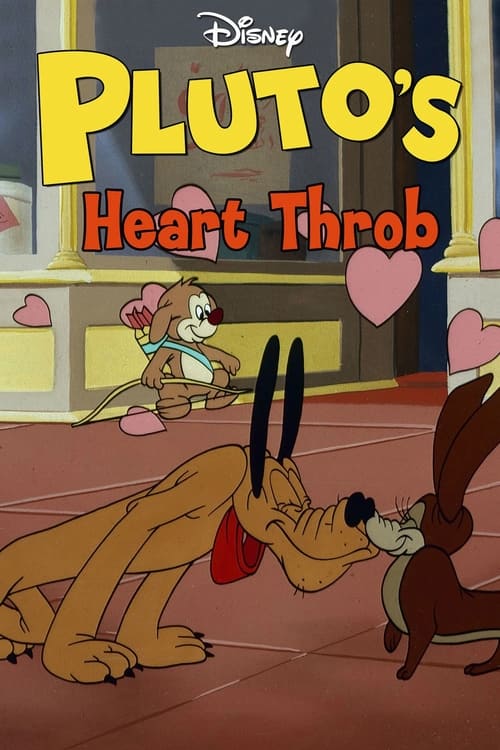
Pluto's Heart Throb
1950
No user ratings available yet
Diversity score: 2.2 out of 10
1948
NRDirector
Charles August Nichols
Runtime
7 minutes
Average Rating
No ratings yetSynopsis
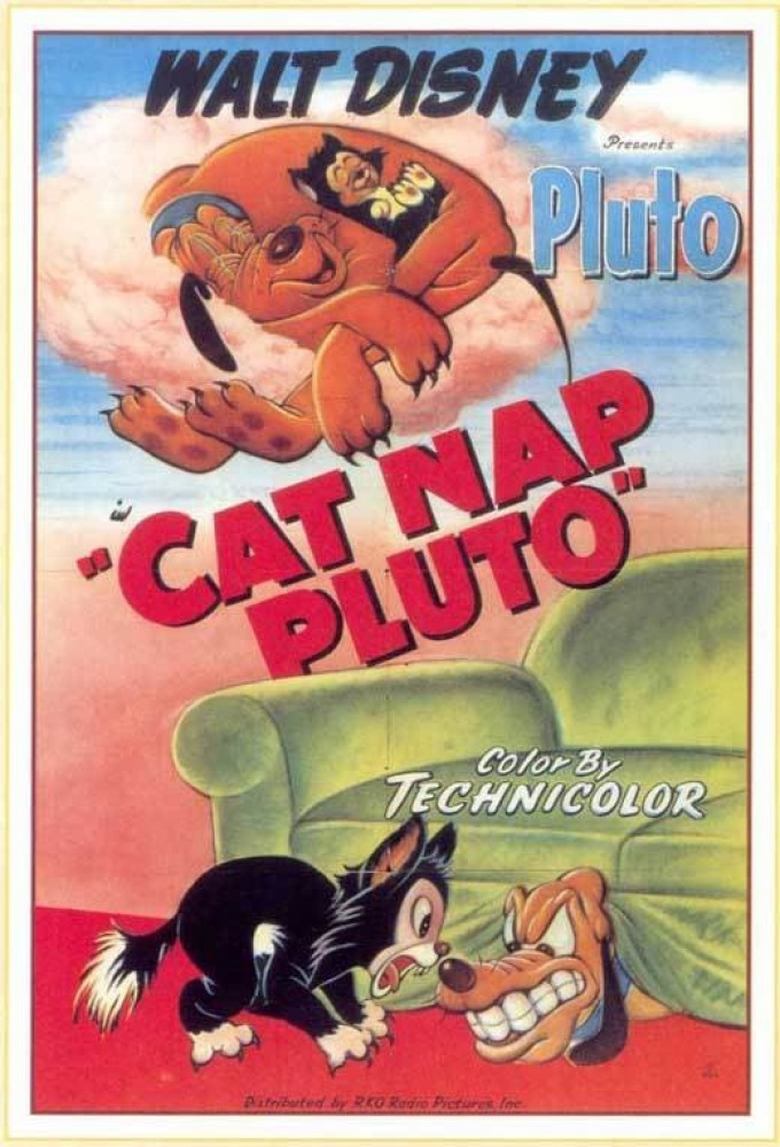
Morning, and Figaro the kitten wants to play. Pluto, on the other hand, has been out all night and wants to sleep. Finally, the sandman who has been putting Pluto to sleep calls in Figaro's sandman.
Overall Score
Minimal
Category Breakdown
LGBTQ+ Representation
The story centers on a non-romantic interaction between a kitten and a dog. There is no evidence of queer subtext or non-cisnormative identities.
Gender Representation
Characters are defined by species-based temperaments rather than social hierarchies. The film relies on simplified personality archetypes typical of the era.
Racial & Ethnic Diversity
As an anthropomorphic animation, the film lacks human racial or ethnic markers. The focus remains entirely on non-human characters.
Religious & Cultural Diversity
The film depicts a standard domestic setting without engaging in religious or systemic themes. It presents conflict as a natural biological occurrence.
Disability Representation
Characters do not navigate physical, sensory, or neurodivergent challenges. Their behaviors are presented as standard physiological states like sleepiness.
Strengths
Areas for Improvement
AI Analysis
Cat Nap Pluto is a mid-century animated short that prioritizes slapstick and biological conflict over social complexity. The narrative follows a simple cycle of sleep versus play between Figaro and Pluto. Because the characters are animals, the film lacks human-centric markers for race, ethnicity, or gendered social hierarchies. It functions within the traditional studio-system tropes of 1948, focusing on domesticity rather than identity. Ultimately, the film does not attempt to introduce intersectional perspectives or disrupt conventional expectations, resulting in a very low diversity score.
1950
1948
1951
1947
1947
1949
1948
1945
1945

1951
1950
1937
No reviews yet. Be the first to share your thoughts on this movie!
Use the rating form above to leave a star rating and optional review.