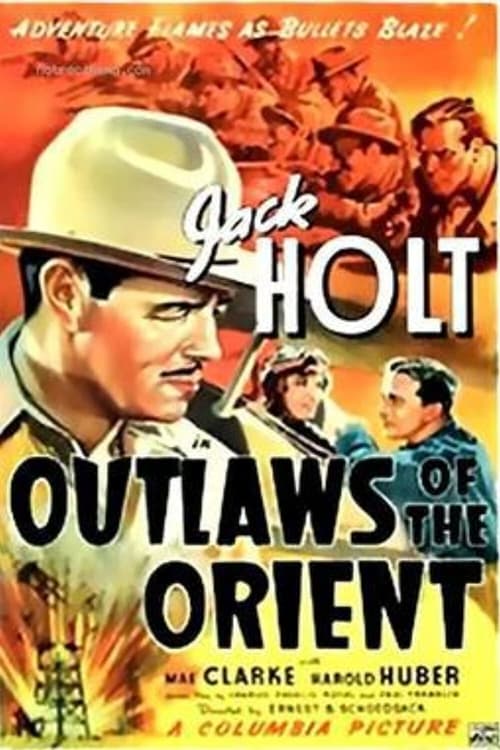
Outlaws of the Orient
1937
No user ratings available yet
Representation score: 1.5 out of 10

Representation Score
Minimal
1935
ApprovedDirector
Burt P. Lynwood
Runtime
69 minutes
Average Rating
No ratings yetNew Showbiz Analysis
Shadows of the Orient is a 1935 film that appears to rely heavily on exploitative stereotypes. The central premise of smuggling Chinese individuals suggests a narrative where ethnic minorities are treated as objects of commerce rather than people with ability to act. The film likely reinforces the racialized and colonialist perspectives common to early Hollywood. By using an 'Orientalist' setting as a mere backdrop for action, the movie avoids nuanced representation, focusing instead on pulp-driven stereotypes. Overall, the production lacks depth in its treatment of identity. It operates within the rigid moral and social hierarchies of its time, offering little to no subversion of traditional gender or racial roles.
Category Breakdown
The film does not include any LGBTQ+ characters or narratives. It seems to follow the traditional heterosexual norms of 1930s cinema.
Gender roles likely conform to the conventional hierarchies of the era. There is no evidence of strong female characters, suggesting the film may rely on submissive female stereotypes common to 1935 dramas.
The plot focuses on smuggling Chinese individuals, treating them as commodities rather than people. This framing suggests characters of color are portrayed as racialized stereotypes without much ability to act.
The setting likely serves as an exoticized backdrop for Western-centric action. The narrative appears to reinforce colonialist perspectives rather than offering a nuanced cultural critique.
There is no information available regarding the depiction of physically or neurodivergently challenged characters in this title.
Present on Screen
Limited or Absent
Official Synopsis
A classic "B" featurette about "smugglin' in Chinamen for $300 a load"
1937
1932
1936

1932
1935
1919

1974
1927
No reviews yet. Be the first to share your thoughts on this movie!
Use the rating form above to leave a star rating and optional review.