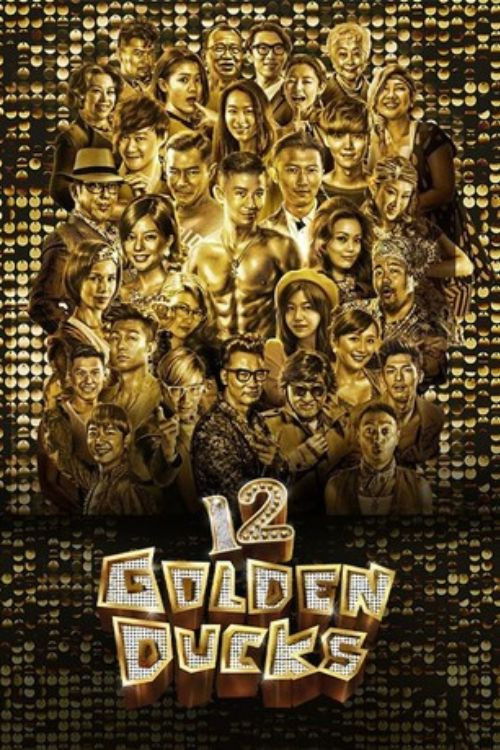
12 Golden Ducks
2015
No user ratings available yet
Diversity score: 4.8 out of 10

2006
Director
Lawrence Ah Mon
Runtime
93 minutes
Average Rating
No ratings yetSynopsis
Fai, a talented actor who has won the Best New Artist of the Hong Kong Film Awards and always plays leading roles in television, is an arrogant guy who does not cherish the opportunities given to him. As he keeps on criticizing his co-workers, his career and popularity gradually deteriorates. He is not offered leading roles anymore and has to take the parts of villains and rapists. Finally, he has even lost his job at the TV station. Fai becomes extremely depressed, but a twist of fate makes him become an agent for extras. As Fai gives pointers to a young girl named Fei, who truly loves acting, he regains his own enthusiasm towards acting and life.
Overall Score
Fair
Category Breakdown
LGBTQ+ Representation
The film lacks explicit focus on LGBTQ+ identities or non-cisnormative expressions. The narrative centers on professional and class struggles rather than queer-coded subtext or critiques of heteronormativity.
Gender Representation
Women are depicted through resilient maternal bonds and domestic realities in low-income settings. While it avoids submissive tropes, the film does not actively seek to subvert traditional gender hierarchies.
Racial & Ethnic Diversity
The film provides an authentic depiction of a Chinese cast within a Hong Kong context. It avoids globalized whitewashing by making the local setting vital to character identity.
Religious & Cultural Diversity
The story offers a sophisticated critique of capitalist urban structures and the precarious nature of fame. It avoids simple redemption arcs, favoring a complex journey of personal reclamation.
Disability Representation
Psychological distress and depression are explored as responses to systemic failure. However, these elements function as situational hardships rather than a dedicated study of neurodivergence or disability agency.
Strengths
Areas for Improvement
AI Analysis
Lawrence Ah Mon utilizes social realism to deconstruct the fragility of identity within a market-driven industry. The film succeeds by grounding its characters in a specific, authentic cultural landscape that resists mainstream commercial tropes. While the narrative excels at portraying socioeconomic hardship and class-based struggles, it remains narrow in its scope regarding identity politics. It lacks representation for LGBTQ+ communities and does not center disability as a primary theme. Ultimately, the film is a powerful critique of capitalist volatility. It prioritizes the lived experiences of the underprivileged over traditional, sanitized success stories.
2015
1999
2019
2008
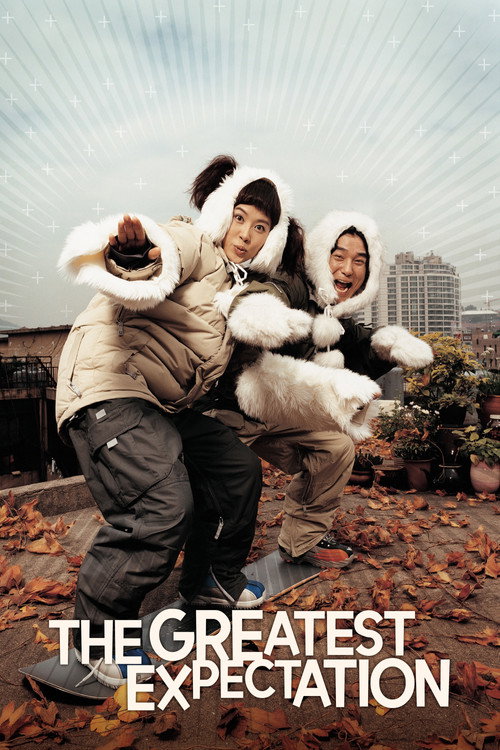
2003

2017
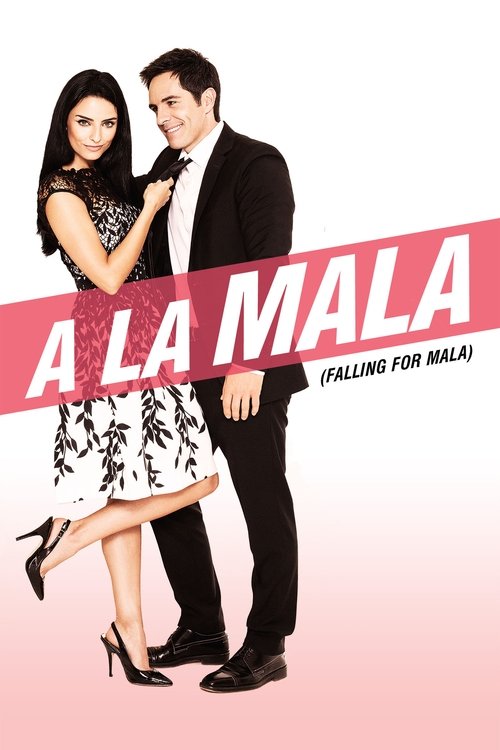
2015
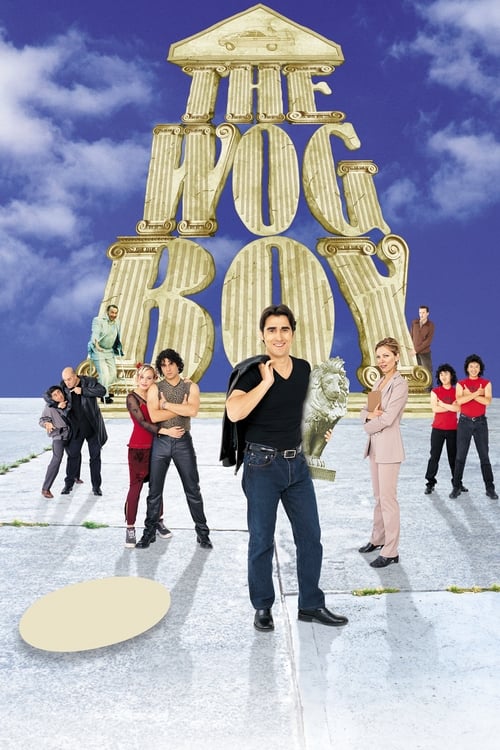
2000
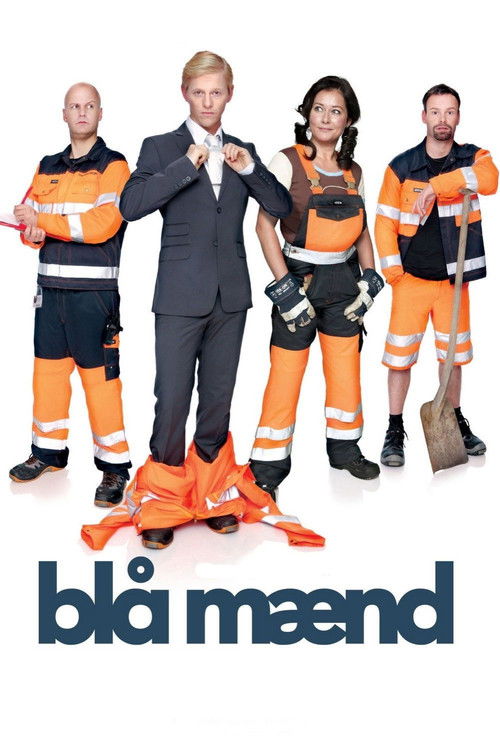
2008

2020
2008
2015
No reviews yet. Be the first to share your thoughts on this movie!
Use the rating form above to leave a star rating and optional review.