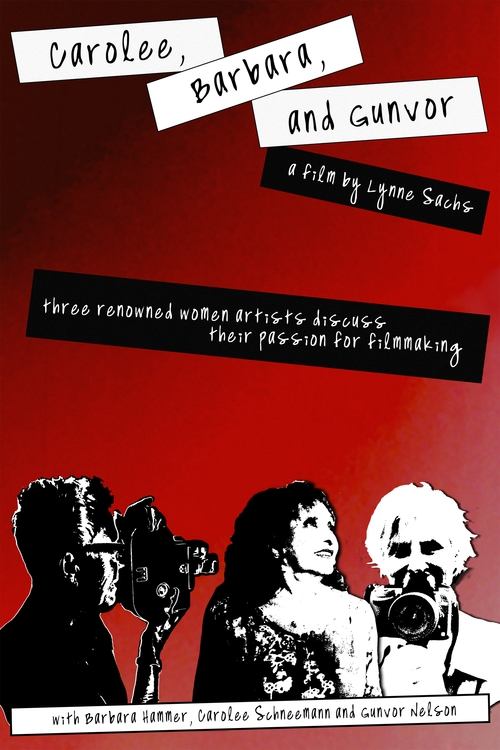
Carolee, Barbara and Gunvor
2018
No user ratings available yet
Representation score: 8.7 out of 10
Representation Score
Excellent
2019
Director
Lynne Sachs
Runtime
14 minutes
Average Rating
No ratings yetNew Showbiz Analysis
A Month of Single Frames serves as a meditative dialogue between two filmmakers, using the archives of queer cinema pioneer Barbara Hammer. By focusing on a queer, female perspective on solitude and mortality, the film challenges traditional male-centric viewpoints and conventional storytelling methods. The work highlights the preservation of queer aesthetic history and the importance of female intellectual labor. It reframes the natural world through a lens of artistic introspection rather than conquest. While the film is a powerful reclaiming of underrepresented history, its specific racial diversity is not explicitly detailed.
Category Breakdown
The film draws heavily from the legacy of Barbara Hammer, a key figure in queer cinema. It views the world and the process of dying through a queer identity lens.
The story challenges traditional gender roles by emphasizing the role of women in driving the narrative. It delves into the inner lives of women in spaces typically dominated by a masculine perspective of conquest.
The film contributes to breaking down the traditional Western cinematic canon. However, specific details about racial diversity in the archival footage are not confirmed.
The film emphasizes a secular, reflective existence over institutional or religious frameworks. It presents a sophisticated, non-traditional philosophical approach to the concept of self-dissolution.
The film examines the physical realities of aging and bodily frailty in a nuanced manner. It portrays these conditions with ability to act rather than pity.
Present on Screen
Limited or Absent
Official Synopsis
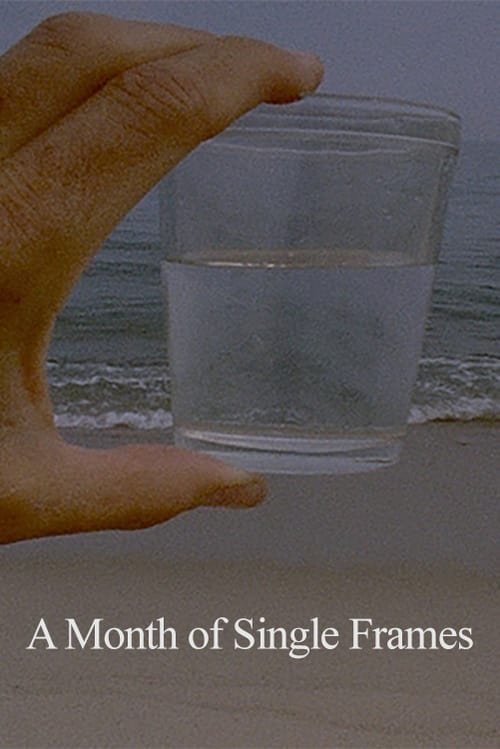
In 1998, filmmaker Barbara Hammer had a one-month artist residency in the C Scape Duneshack which is run by the Provincetown Community Compact in Cape Cod, Massachusetts. The shack had no running water or electricity. While there, she shot 16mm film with her Beaulieu camera, recorded sounds with her cassette recorder and kept a journal. In 2018, Barbara began her own process of dying by revisiting her personal archive. She gave all of her Duneshack images, sounds and writing to filmmaker Lynne Sachs and invited her to make a film with the material.
2018

2008
2015
2022
2017

2012
1998
2017
No reviews yet. Be the first to share your thoughts on this movie!
Use the rating form above to leave a star rating and optional review.