Cocaine Cowboys
1979
No user ratings available yet
Representation score: 4.4 out of 10
Representation Score
Minimal
1985
RDirector
William Webb
Runtime
82 minutes
Average Rating
No ratings yetNew Showbiz Analysis
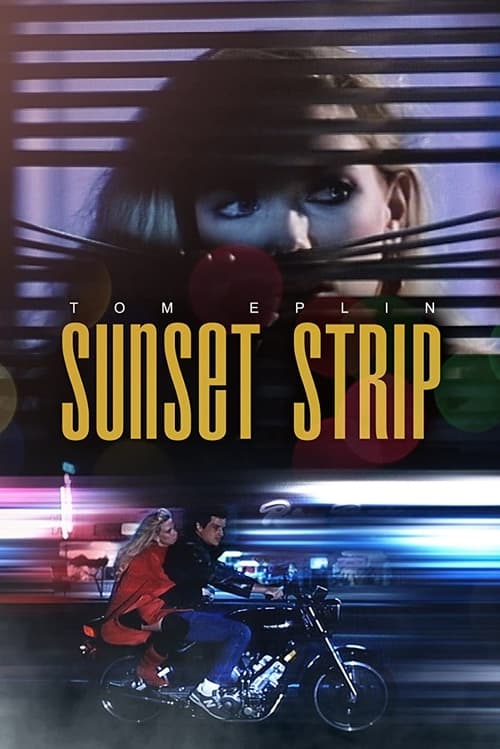
Sunset Strip is a conventional 1980s crime drama that relies on standard genre formulas rather than providing social commentary. The plot revolves around a photographer protecting a nightclub from organized crime, using typical clichés of protection and romantic motivation. The film reinforces traditional social hierarchies through its character dynamics and narrative structure, functioning as a straightforward morality tale about law, order, and private enterprise. Ultimately, the production lacks depth in representing multiple aspects of identity, sticking to established cinematic formulas.
Category Breakdown
The film does not include any LGBTQ+ characters or stories that question the idea that everyone is straight. The romantic storyline focuses on a traditional relationship between the main character and his ex-girlfriend.
Gender roles in the film follow typical patterns. The female lead, Carol, mainly serves as a catalyst for the male protagonist's actions rather than having her own independent role.
The story focuses on a specific subculture in Los Angeles but does not show a diverse cast. It seems to follow the homogeneous casting practices of 1980s crime dramas.
The story centers on protecting a private business from criminal threats. There is no indication of anti-Western institutional critique or diverse cultural perspectives.
The film does not feature any characters with visible or invisible disabilities.
Present on Screen
Limited or Absent
Official Synopsis
The stage is set for a series of confrontations when photographer Mark Jefferson (Tom Eplin) agrees to help his friend Roger (John Mayall) defend his night club against a handful of organized crime figures. Mark has an added incentive for becoming involved as his ex-girlfriend Carol (Cheri Cameron Newell) sings at the club. But the gangsters are willing to use mayhem and murder in order to take over Roger's business. It appears that the petty mobsters are out to sell illegal weapons to anyone who wants them, especially L.A.'s youth, instead of using the club as a front for a prostitution ring as Roger suspects. Soon Mark and his trusty motorcycle have their work cut out for them.
1979
1972
1967
1972
1984
1983
1986
1980
No reviews yet. Be the first to share your thoughts on this movie!
Use the rating form above to leave a star rating and optional review.