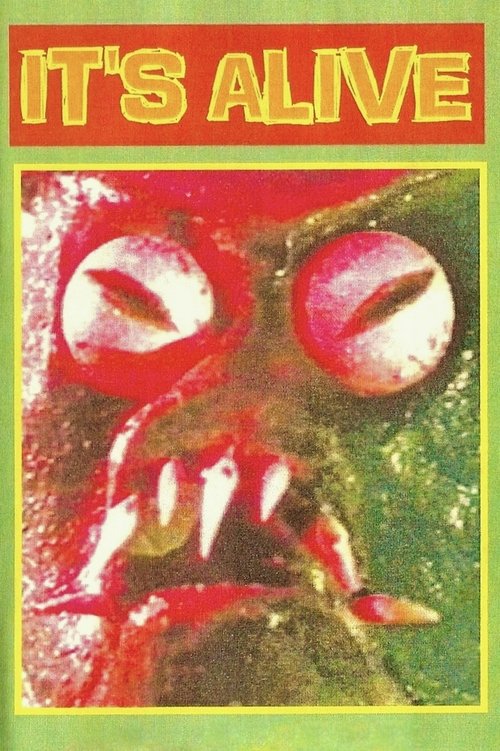
It's Alive
1969
No user ratings available yet
Representation score: 1.9 out of 10
Representation Score
Limited
1967
UnratedDirector
Larry Buchanan
Runtime
80 minutes
Average Rating
No ratings yetNew Showbiz Analysis
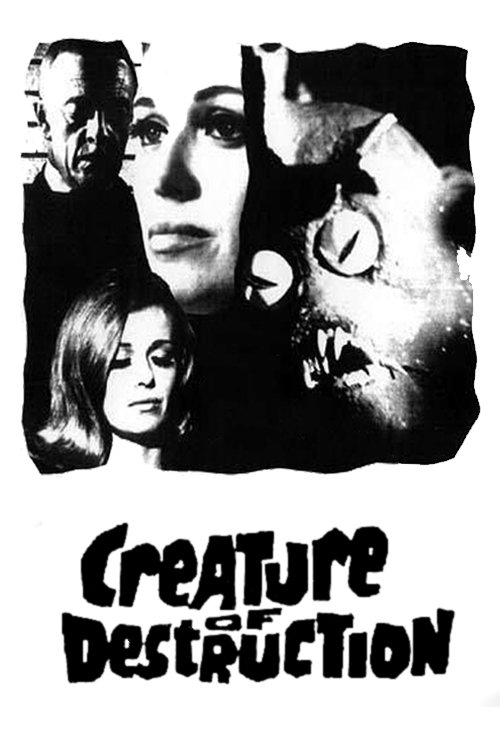
Creature of Destruction is a standard mid-century genre piece that adheres to the era's conventional narrative structures. The film prioritizes economical storytelling and established clichés over any intentional social deconstruction or layered representation of identity. The character dynamics reinforce traditional power imbalances, particularly regarding gender and control. The central plot relies on a male protagonist exerting control over a female character through supernatural means. Ultimately, the film lacks the complexity required to disrupt social expectations. It functions as a typical exploitation film, offering little in the way of diverse representation or systemic critique.
Category Breakdown
The film focuses on a traditional relationship between Dr. John Basso and Doreena, with no representation of LGBTQ+ identities or challenges to the assumption that everyone is straight or cisgender.
The narrative depends on established gender roles, where Doreena is portrayed as a beautiful assistant. Her ability to drive the story is taken away through a physical transformation imposed by the male lead.
The cast appears to be a homogeneous group typical of 1960s low-budget science fiction. There is no evidence of diverse ethnic representation.
The plot follows a traditional morality play structure centered around a mad scientist cliché. It does not engage with systemic critiques of Western institutions or religion.
A physical transformation serves as a central plot device. However, it functions as a horror cliché rather than a nuanced exploration of bodily autonomy or disability.
Present on Screen
Limited or Absent
Official Synopsis
A mad stage hypnotist Dr. John Basso reverts his beautiful assistant Doreena into the physical form of a prehistoric sea monster she was in a past life. Using this power he attempts to find fame and fortune by predicting a series of murders and then using the monster to carry them out.
1969
1960
1964
1957
1956

1958

1968
1965
No reviews yet. Be the first to share your thoughts on this movie!
Use the rating form above to leave a star rating and optional review.