An Occasional Hell
1996
No user ratings available yet
Representation score: 3.6 out of 10
Representation Score
Limited
1995
RDirector
Gill Dennis
Runtime
92 minutes
Average Rating
No ratings yetNew Showbiz Analysis
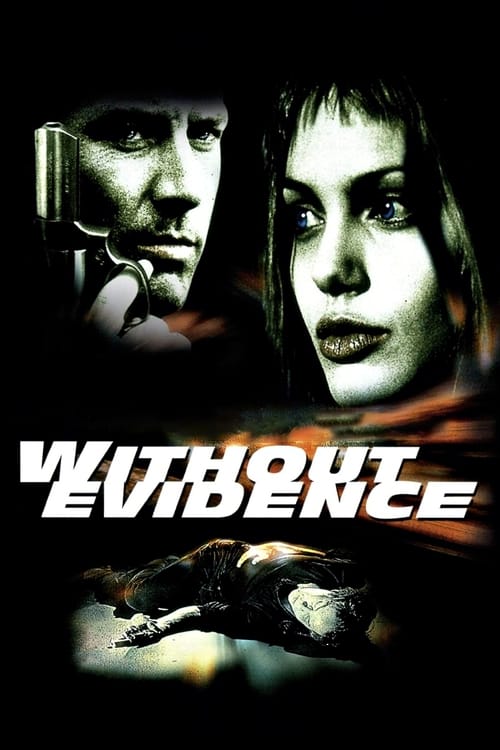
Without Evidence operates as a conventional crime drama from the mid-1990s. The narrative structure emphasizes individual ability to act and the pursuit of justice within a corrupt system. However, it lacks the intention to disrupt traditional social hierarchies. The film adheres to the standard clichés of its genre and era, focusing on a true-crime investigation involving the Oregon Department of Corrections and the interpersonal dynamics of the Francke brothers. Overall, the work lacks complex, multi-layered representation, resulting in a score that reflects a typical procedural distribution.
Category Breakdown
The film centers on male characters and their interactions within a state correctional facility. It does not include explicit representations of non-straight or non-cisgender identities and does not challenge the assumption that everyone is straight or cisgender.
The story is driven by male characters navigating a male-dominated institutional environment. Female characters have limited roles and rarely take control of the plot.
The narrative focuses on the interpersonal dynamics between the Francke brothers. It reflects a typical distribution of characters commonly found in 1990s domestic thrillers.
The film explores themes of institutional corruption and the failure of state systems through a personal vendetta. It does not delve into broader social critiques or systemic issues.
There is no indication that neurodivergence, physical disabilities, or mental health conditions play a central role in the narrative or as character traits.
Present on Screen
Limited or Absent
Official Synopsis
It is based on the true story of Michael Francke, who was the Head of Corrections for the state of Oregon before being murdered. Just before his murder, Francke visits his brother and informs him of a drug ring involving his prison colleagues. When Michael is killed, his brother begins his own investigation into the murder, leading him to more lies and deceit.
1996

2019
2007
2009
2024
2003
1992
2011
No reviews yet. Be the first to share your thoughts on this movie!
Use the rating form above to leave a star rating and optional review.