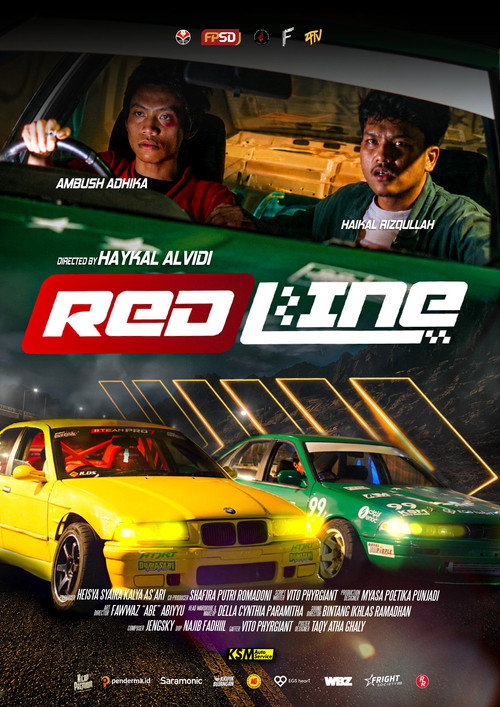
RedLine
2026
No user ratings available yet
Representation score: 0.8 out of 10
Representation Score
Minimal
1989
PGDirector
Stephen Sommers
Runtime
106 minutes
Average Rating
No ratings yetNew Showbiz Analysis
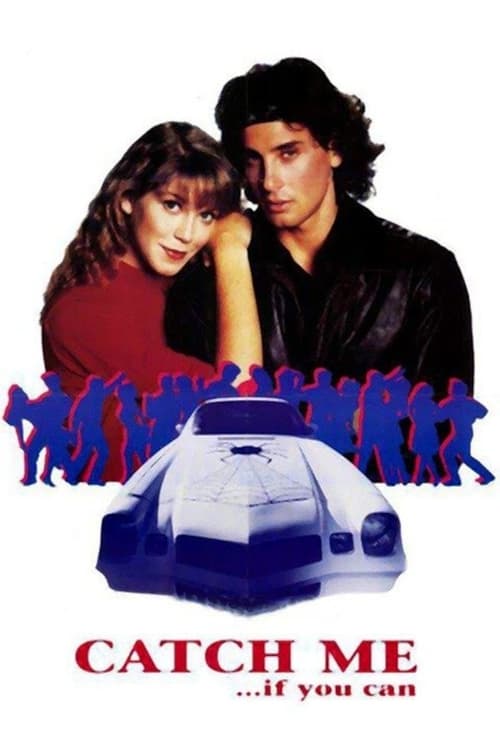
Catch Me... If You Can (1989) operates as a conventional action-comedy centered on high-stakes competition and localized struggles. The narrative prioritizes the 'underdog' cliché, using illegal car racing to address communal issues like school closure. The film relies heavily on standard genre conventions and traditional storytelling. It lacks a clear intent to disrupt social hierarchies or provide diverse perspectives, focusing instead on individual ability to act and communal survival. Ultimately, the film presents a localized conflict that avoids broader systemic critiques, resulting in a narrative that feels culturally and socially homogeneous.
Category Breakdown
The film does not include any characters or stories related to LGBTQ+ identities or non-cisgender experiences. There is no evidence of queer representation within the story.
The plot revolves around a teenage racer and a class president. While the roles are gender-neutral, the racer archetype often aligns with traditional masculine stereotypes without challenging them.
Set in a small Minnesota high school, the film likely features a predominantly white cast. There is no evidence of characters of color having significant roles or influence.
The story examines institutional failure through a school facing closure. However, the resolution relies on traditional 'rebel' clichés rather than a deeper cultural or systemic critique.
The film does not mention any characters with visible or invisible disabilities. The narrative does not address disability representation.
Present on Screen
Limited or Absent
Official Synopsis
A hotshot teenage car racer persuades the class president of a small Minnesota high school to gamble on illegal car races to raise money for their school which is facing closure.
2026
1986

1977

2003
1988
1987
1997
1982
No reviews yet. Be the first to share your thoughts on this movie!
Use the rating form above to leave a star rating and optional review.