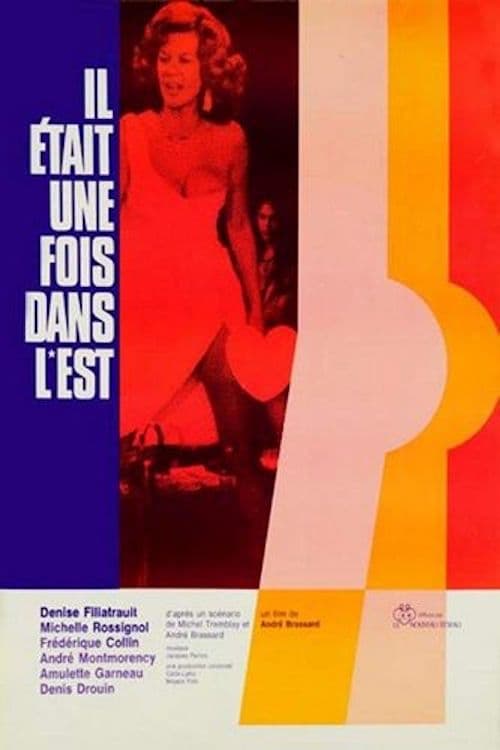
Once Upon a Time in the East
1974
No user ratings available yet
Representation score: 6.0 out of 10
Representation Score
Fair
1987
Director
Christian Le Hémonet
Runtime
90 minutes
Average Rating
No ratings yetNew Showbiz Analysis
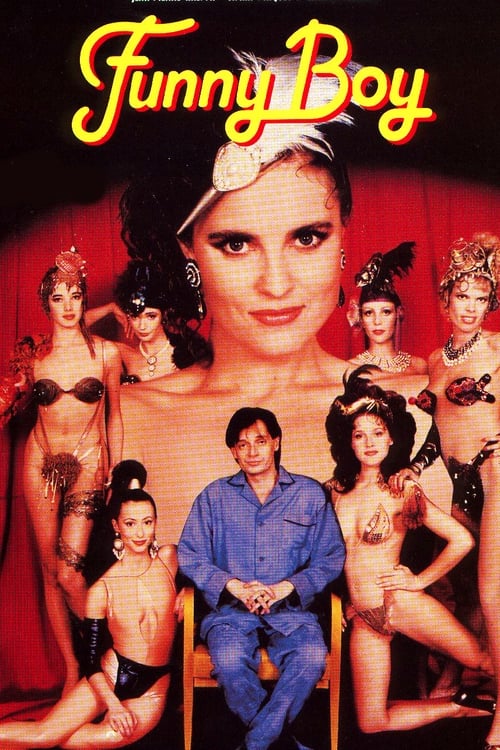
Funny Boy is a sophisticated exploration of queer identity and gender fluidity. It successfully challenges traditional mid-century storytelling by centering a protagonist navigating sexual awakening and performing gender in a cabaret setting. The film excels in its psychological depth, using the protagonist's journey to critique restrictive social structures. It offers a nuanced study of individual desires versus societal mandates. However, the film is limited by its historical and geographic focus. The lack of racial diversity reflects the socio-cultural context of the era, resulting in a homogeneous cast and setting.
Category Breakdown
The film focuses on a protagonist's sexual awakening and same-sex attraction, exploring gender performance in a Parisian cabaret setting.
It challenges mid-century masculinity by emphasizing a protagonist who rejects traditional expectations and redefines gender identity through personal desires.
Set in provincial France and Paris, the film lacks significant racial diversity or blended backgrounds among the cast and setting.
The story critiques traditional Western institutions and bourgeois morality, portraying the transition from rigid provincial life to urban individualism as a path to self-actualization.
The film does not include disability, neurodivergence, or chronic illness as central themes or character drivers.
Present on Screen
Limited or Absent
Official Synopsis
Micky leaves his provincial and bourgeois background and leaves to live in Paris, where he performs as a transvestite singer in a cabaret.
1974

1997
1997
1978
2024
2001
1967
2005
No reviews yet. Be the first to share your thoughts on this movie!
Use the rating form above to leave a star rating and optional review.