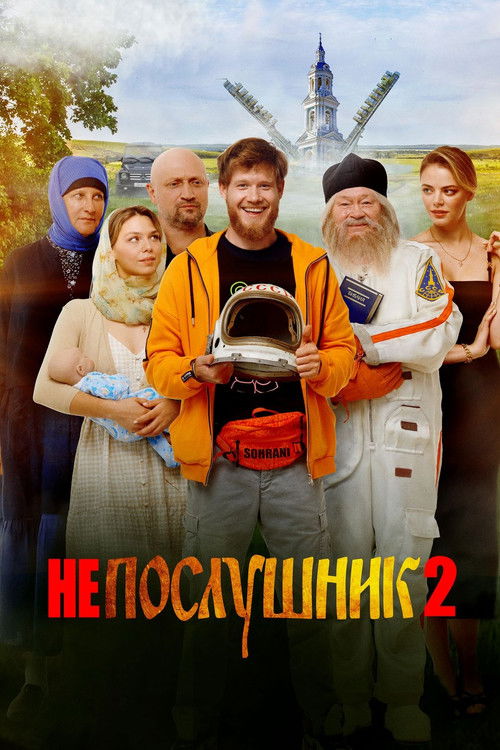
In the Name of a Prank 2
2022
No user ratings available yet
Representation score: 4.0 out of 10

Representation Score
Limited
2024
Director
Vladimir Kott
Runtime
117 minutes
Average Rating
No ratings yetNew Showbiz Analysis
The film presents a comedic look at the conflict between state authority and the resilience of underrepresented youth. It excels in questioning the effectiveness of standard discipline through its characters. While the narrative offers a nuanced critique of the legal system, it lacks broad demographic diversity. The focus remains on a specific social archetype and a homogeneous cast, limiting its reach in terms of diverse representation. Ultimately, the work emphasizes situational ethics and the intelligence of its protagonists over diverse representation, making it a character-driven study of rebellion rather than a diverse ensemble piece.
Category Breakdown
The film does not include any explicit LGBTQ+ characters or stories about non-assuming gender matches what was assigned at birth identities. The plot centers on the relationships among the orphanage children and male protagonists.
Dasha stands out as a strong leader, challenging traditional passive roles. However, the story remains focused on a male-dominated storyline.
The cast appears to be homogeneous, reflecting the local setting. There is no indication of a multi-ethnic cast or subversion of ethnic hierarchies.
The story critiques state institutions by highlighting the monastery as a place for character growth. It portrays youthful rebellion as a struggle for survival and empowerment.
There is no specific mention of physical or neurodivergent disabilities in the film. The focus is on the social vulnerability of the orphans.
Present on Screen
Limited or Absent
Official Synopsis
Dimonstr saves Sasha Chyornyy and four runaway orphanage children from the police and bandits. Dimonstr is now just Dmitriy, the manager of a car dealership, his son Dima has grown up. Family life is not conducive to pranks, the Dimonstr remained in the fairy tales that the father tells his son at night. But the monastery is again restless. Four children from the orphanage end up there - two sisters and two brothers. Dasha, the eldest, is not the first time organizing a family's escape from an orphanage. And once again they are caught. But this time they went for robbery, and the police cannot leave this without punishment. Realizing that this will break the boys, the investigator, on his own responsibility, decides to send them to the monastery to Father Anatoliy for re-education. But the small, daring group will prove to be a much tougher nut to crack than Dimonstr and Sasha Chyornyy once were.
2022

2009

1984

2009

2022

1971

2009

2006
No reviews yet. Be the first to share your thoughts on this movie!
Use the rating form above to leave a star rating and optional review.