Piccolo
1959
No user ratings available yet
Representation score: 2.7 out of 10
Representation Score
Minimal
1973
Director
Fyodor Khitruk, Vladimir Zuykov, Eduard Nazarov
Runtime
2 minutes
Average Rating
No ratings yetNew Showbiz Analysis
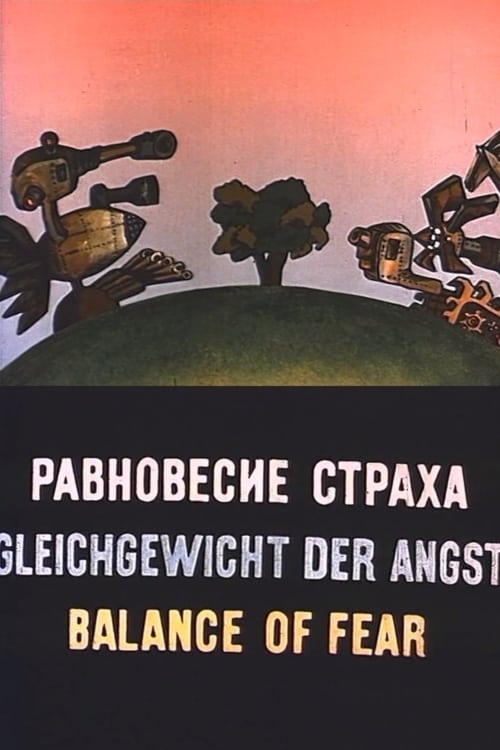
Balance of Fear operates as a social allegory rather than a vehicle for diverse representation. It utilizes a cyclical, escalatory narrative to critique individualistic escalation and the breakdown of communal stability. The film's strength lies in its satirical look at systemic instability. By framing a dispute as a destructive arms race, it disrupts the expectation of heroic conflict, portraying power escalation as a futile cycle. However, the work lacks demographic breadth. The focus on masculine-coded weaponry and a localized social setting results in limited representation of gender, race, or LGBTQ+ identities.
Category Breakdown
The film focuses on a conflict regarding property and weaponry between two neighbors. There is no evidence of non-straight relationships or narratives addressing the assumption that everyone is straight.
The narrative centers on a competitive struggle involving shotguns, a cliché traditionally associated with masculine archetypes. The work appears to lean toward traditional gendered depictions of conflict.
As a Soviet-era production, the focus remains on social and behavioral dynamics. There is no indication of a multi-ethnic cast or the use of non-human species as racial metaphors.
The film uses a neighborly dispute to critique the absurdity of unchecked individual actions. It highlights the breakdown of social harmony through a satirical, allegorical lens.
The available narrative details do not mention any characters with visible or invisible disabilities.
Present on Screen
Limited or Absent
Official Synopsis
Two neighbors live side-by-side. One decides to buy a shotgun. The other responds by buying his own shotgun. This quickly escalates into a massive arms race between the two neighbors.
1959
1973
1957
1989
1983
1969
1962
1963
No reviews yet. Be the first to share your thoughts on this movie!
Use the rating form above to leave a star rating and optional review.