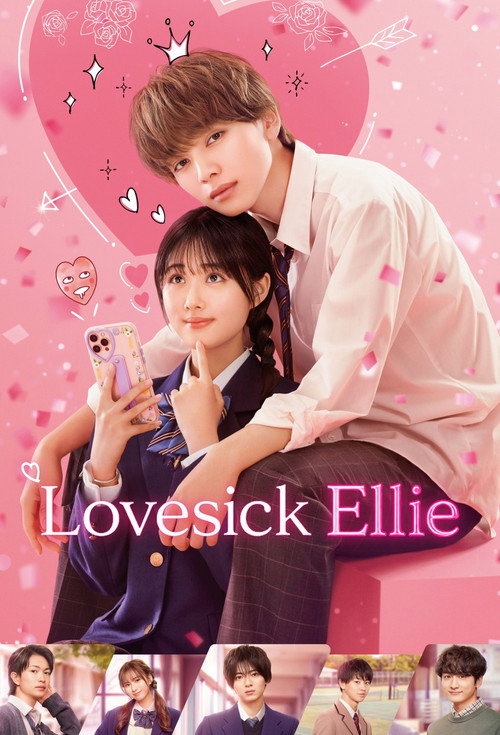
Lovesick Ellie
2024
No user ratings available yet
Representation score: 4.2 out of 10

Representation Score
Fair
2019
Director
Koichiro Miki
Runtime
112 minutes
Average Rating
No ratings yetNew Showbiz Analysis
The film centers on the subversion of traditional gender roles through its protagonist, Hiromi. By portraying a woman who uses social expectations to navigate male attention, the story challenges conventional hierarchies of pursuit and receptivity. However, the narrative remains within a relatively conventional demographic framework. It lacks explicit LGBTQ+ representation and focuses on a localized, homogeneous cultural setting, which limits its multi-layered breadth. Ultimately, the work is a character study of interpersonal performance rather than a broad exploration of diverse identities.
Category Breakdown
The film focuses on heterosexual relationships and conflicts among female peers. There are no visible queer characters or non-binary gender identities.
Hiromi breaks traditional passive female stereotypes by using shyness as a strategic tool. She exerts significant influence by controlling and ending romantic relationships.
The film seems to be set in a specific Japanese context, focusing on local social types. The casting reflects a culturally specific approach without actively addressing racial diversity.
The story delves into personal morality and the dismantling of social standing. It emphasizes individual freedom over the traditional moral judgments of peer groups.
There is no mention of characters with visible or invisible disabilities. The narrative does not include any disability-focused storytelling.
Present on Screen
Limited or Absent
Official Synopsis
Hiromi is a 26-year-old single woman. She is popular with guys. Her hobby and specialty is getting men to like her using small talk and a shy persona. If a guy confesses his feelings for her, Hiromi leaves them. Hiromi's sharehouse mate Akira and her friend Aya blame Hiromi, calling her "Kakure Bitch" (a type of women who uses innocence to flirt with men). Hiromi does not care. One day, she takes an interest in Tsuyoshi, who works in the same office. She becomes to like him sincerely.
2024
2010

2015

2016

2016

2017

2015
2020
No reviews yet. Be the first to share your thoughts on this movie!
Use the rating form above to leave a star rating and optional review.