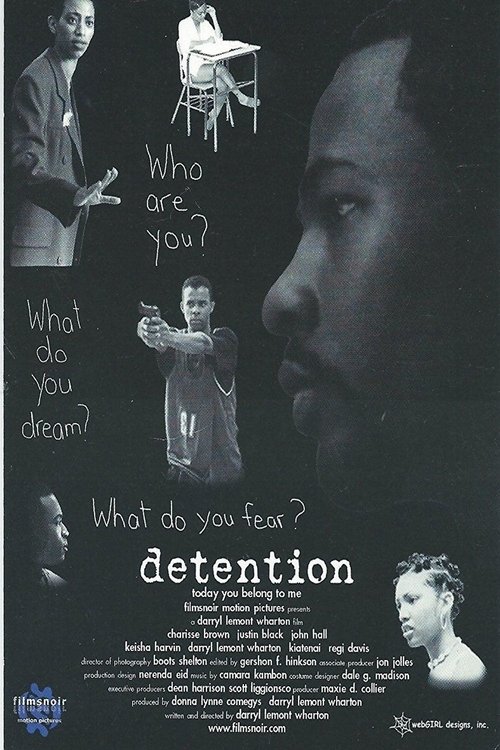
Detention
1998
No user ratings available yet
Diversity score: 4.7 out of 10
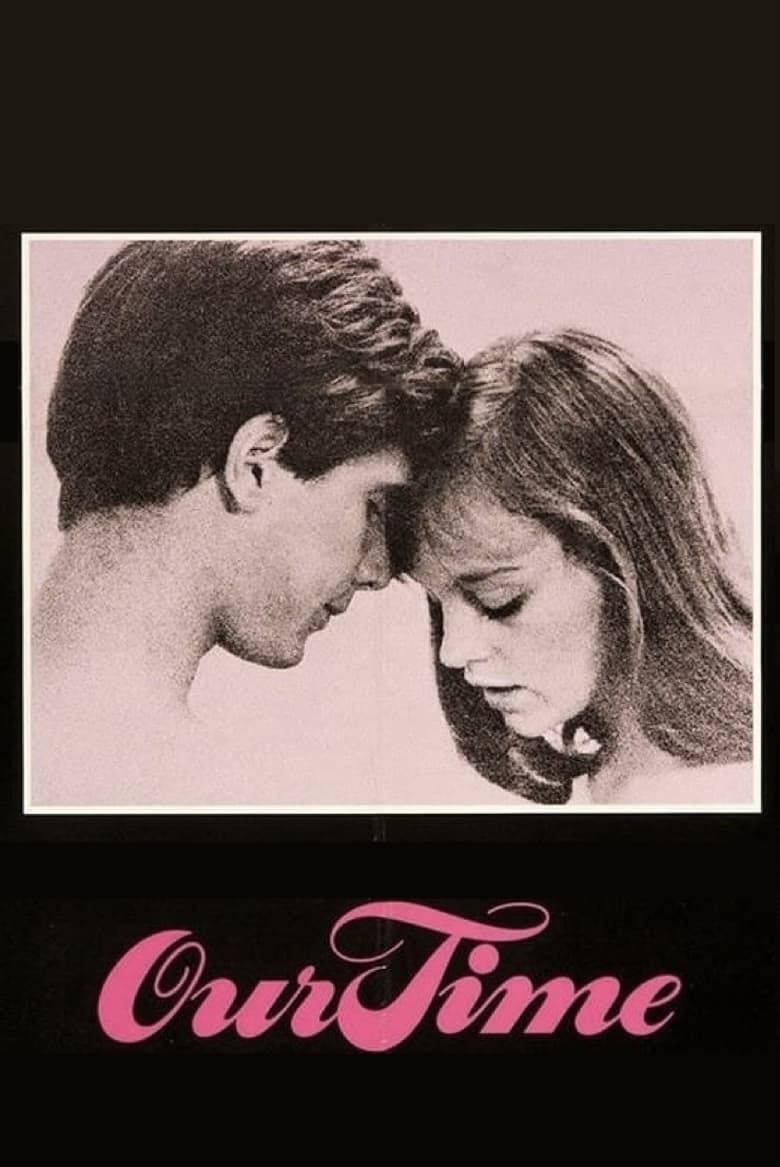
1974
PGDirector
Peter Hyams
Runtime
90 minutes
Average Rating
No ratings yetSynopsis
Drama about students at a girls' school, their boyfriends, and an unexpected pregnancy.
Overall Score
Fair
Category Breakdown
LGBTQ+ Representation
The film lacks explicit evidence of non-heteronormative identities. The narrative focuses on interpersonal dynamics between students and their partners, adhering to traditional relational structures common in 1974 cinema.
Gender Representation
Set in a girls' school, the film explores female agency and autonomy. It centers on the lived experiences of young women, particularly regarding the social pressures of pregnancy.
Racial & Ethnic Diversity
There is insufficient evidence to confirm a diverse cast. While the story explores socioeconomic divides, the representation appears to lean toward traditional mid-century cinematic demographics.
Religious & Cultural Diversity
The film engages deeply with anti-establishment themes and critiques of centralized institutions. It portrays revolutionaries fighting a corrupt, surveillance-heavy state, challenging traditional governance and morality.
Disability Representation
There is no documented evidence of characters with visible or invisible disabilities. Neurodivergence and physical impairments are not integrated into the narrative arc.
Strengths
Areas for Improvement
AI Analysis
Our Time functions as a thematic critique of systemic oppression and centralized authority. While it centers on the domestic and reproductive experiences of young women, it uses a dystopian framework to examine the friction between state control and individual agency. The film's strength lies in its focus on female-driven consequences and its skepticism of state-sanctioned morality. By framing the state as an oppressive entity, the narrative aligns with broader critiques of Western institutions. However, the film is limited by a lack of intersectional casting and LGBTQ+ visibility. The absence of disability representation and the reliance on traditional demographic structures prevent a more inclusive score.
1998

1973

1964
1970

1976

2012

1968
1961

1978

1971

1984
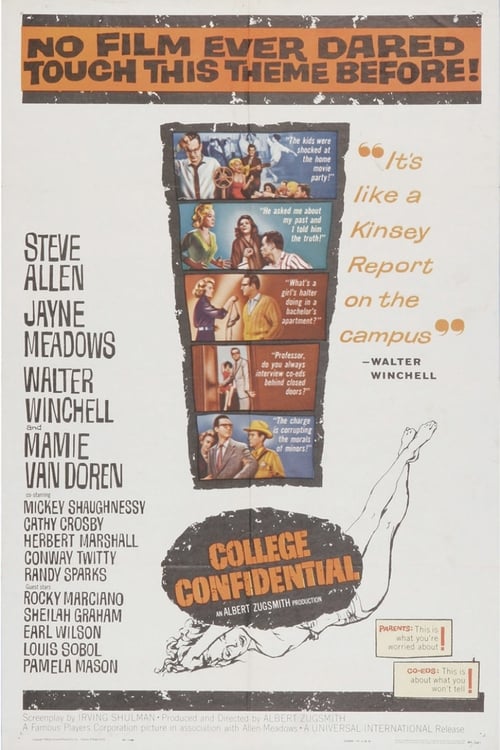
1960
No reviews yet. Be the first to share your thoughts on this movie!
Use the rating form above to leave a star rating and optional review.