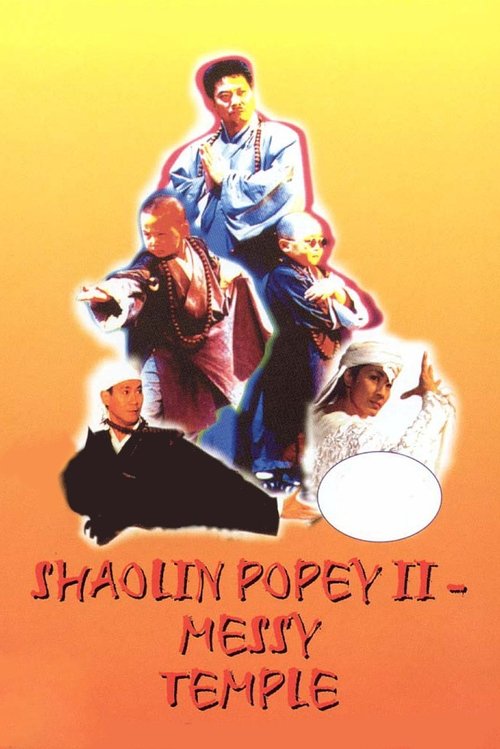
Shaolin Popey II: Messy Temple
1994
No user ratings available yet
Representation score: 3.1 out of 10
Representation Score
Limited
1994
Director
Kevin Chu
Runtime
95 minutes
Average Rating
No ratings yetNew Showbiz Analysis
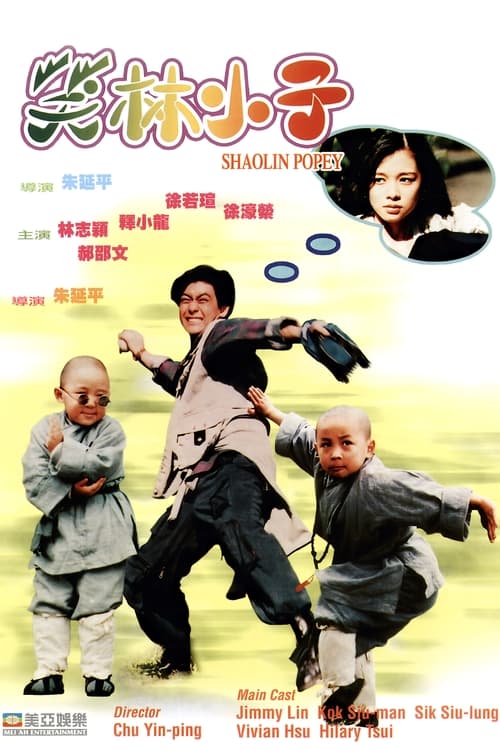
Shaolin Popey is a genre-driven martial arts comedy that prioritizes slapstick and physical prowess. It succeeds in providing an authentic cultural experience by centering Chinese traditions and avoiding Western-centric casting. The film offers a refreshing take on gender through its female lead, who possesses combat skills comparable to her male peers. This provides a more balanced depiction of physical ability to act than many contemporary action comedies. However, the film remains a traditional narrative. It lacks engagement with multi-layered identities or systemic critiques, focusing instead on established clichés of discipline and skill acquisition within a specific cultural framework.
Category Breakdown
The film focuses on traditional adolescent romance and childhood friendships. It does not depict non-traditional gender identities or same-sex relationships.
The young female lead displays a significant role in driving the story and combat skills. This challenges the damsel in distress cliché by showing a balanced dynamic of physical capability.
The film features a predominantly Chinese cast and setting. It maintains an authentic cultural identity by centering the Shaolin Temple rather than conforming to Western casting norms.
The story is rooted in Buddhist monastic settings and Shaolin discipline. It uses these traditions as a backdrop for comedy rather than critiquing religious institutions.
There is no evidence of physical or neurodivergent disability representation. The narrative focuses on the physical agility and comedic timing of the child actors.
Present on Screen
Limited or Absent
Official Synopsis
A high school loser dreams of winning the heart of the principal's daughter, but his chances are slim as long as her bruiser boyfriend's around. Fortunately, a chance meeting with a pair of Shaolin-trained kids (previously seen in DRAGON FROM SHAOLIN) gives him the fighting skills needed to come out on top. An unusual but entertaining blending of teen romantic comedy and martial arts slapstick
1994
1994

2008
1978
1994
1997
1995
1995
No reviews yet. Be the first to share your thoughts on this movie!
Use the rating form above to leave a star rating and optional review.