Ninja Busters
1984
No user ratings available yet
Representation score: 3.7 out of 10
Representation Score
Limited
1994
Director
Kevin Chu
Runtime
88 minutes
Average Rating
No ratings yetNew Showbiz Analysis
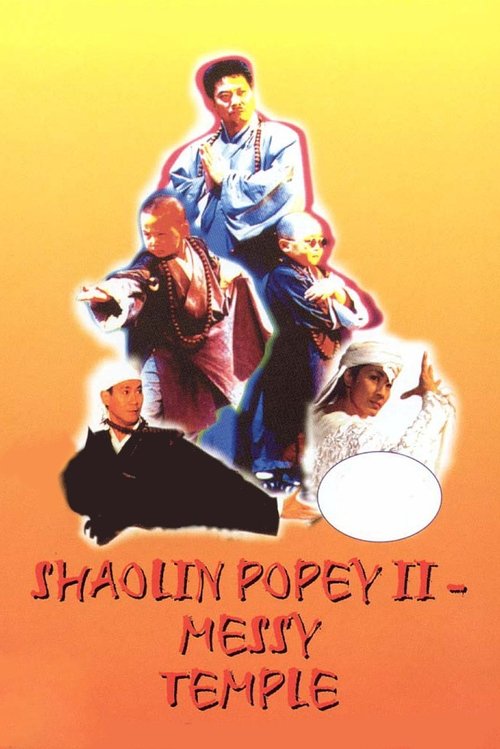
Shaolin Popey II: Messy Temple is a culturally authentic martial arts comedy that succeeds through its regional specificity. By grounding the story in Shaolin Buddhist tradition and featuring a predominantly Chinese cast, it offers a strong non-Western perspective. However, the film remains narratively traditional and lacks multi-layered depth. The heavy focus on male characters and the absence of LGBTQ+ or disability representation limit its overall diversity profile. Ultimately, the film functions as a localized comedic piece rather than a work that engages with complex identity politics or systemic critiques.
Category Breakdown
The film doesn't include any LGBTQ+ characters or narratives. The story focuses on comedic interactions between child protagonists, their master, and the antagonists.
The story centers around male child protagonists and male authority figures. While not overtly sexist, the film lacks significant female roles to challenge traditional gender norms.
The film excels in cultural specificity by featuring a predominantly Chinese cast. This provides high ethnic authenticity and ability to act within a non-Western cultural context.
Set in a Shaolin temple, the film uses the setting for comedic escapism. It employs humor to subtly challenge traditional hierarchies through mischievous youth behaviors.
There is no visible representation of physical, neurodivergent, or sensory disabilities within the primary character arcs.
Present on Screen
Limited or Absent
Official Synopsis
Fun-loving young Shaolin initiates get the better of two bungling assassins hired to chop off the right hand of their crochety master, who commands magical kung-fu powers.
1984

1994

1978

1992

1994

1997
1993

2002
No reviews yet. Be the first to share your thoughts on this movie!
Use the rating form above to leave a star rating and optional review.