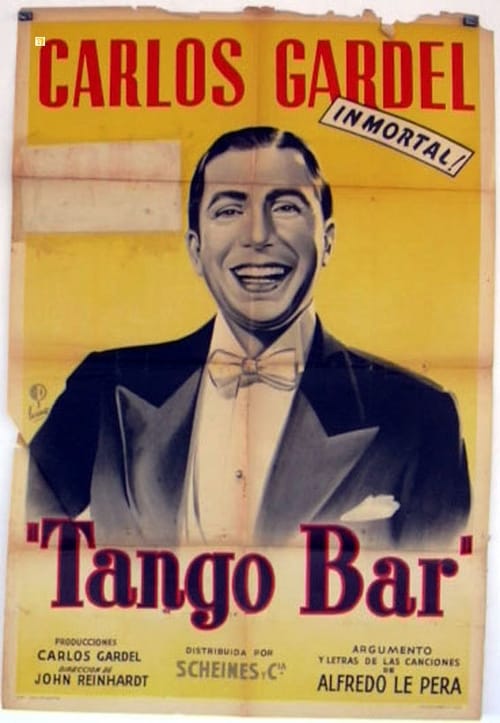
Tango Bar
1935
No user ratings available yet
Diversity score: 4.4 out of 10
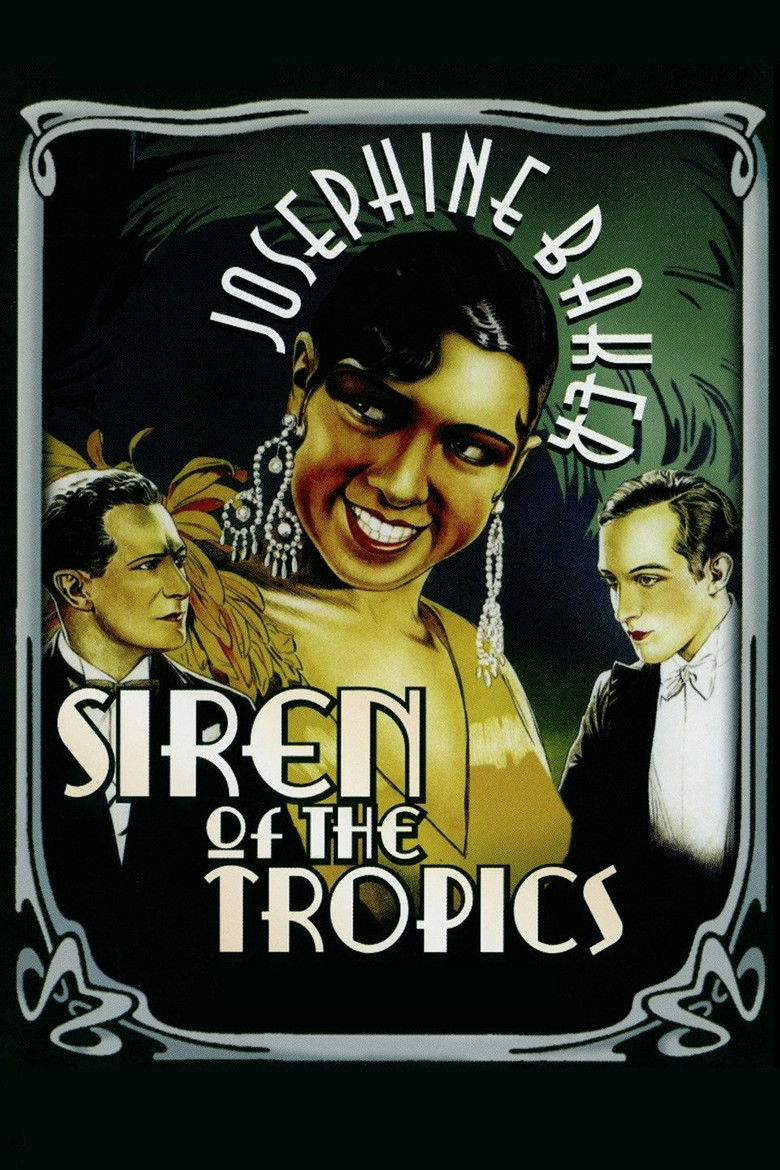
1927
Director
Mario Nalpas, Henri Étiévant
Runtime
86 minutes
Average Rating
No ratings yetSynopsis
Marquis Sévéro, a rich, lazy Parisian, wants to divorce his wife so that he can marry his own goddaughter Denise. But Denise herself loves André Berval, an engineer employed by the marquis. Filled with jealousy, the marquis sends André to the Antilles, to prospect some land he has just acquired. He promises André that he can marry Denise if he is successful in the tropics, but he then writes to Alvarez, his manager at the site, asking him to prevent André from ever returning to France. The brutal Alvarez forms an instant hatred for André when the engineer breaks up Alvarez's attempt to rape Papitou, a beautiful native girl. Papitou becomes devoted to André, and protects him against Alvarez's schemes. But she faces a crisis herself when she learns that André plans to marry Denise.
Overall Score
Limited
Category Breakdown
LGBTQ+ Representation
The film lacks any evidence of non-cisnormative identities or same-sex intimacy. The plot focuses entirely on heteronormative romantic entanglements and traditional courtship.
Gender Representation
Female characters drive the emotional conflict, though they often serve as catalysts for male decisions. Papitou shows notable agency by protecting André, subverting some passive female archetypes.
Racial & Ethnic Diversity
The setting moves beyond Europe to the Antilles, featuring Papitou as a central figure. Her moral strength and protective role challenge the colonial hierarchy established by the European characters.
Religious & Cultural Diversity
The story depicts a clash between Parisian aristocracy and tropical life. However, it focuses on individual villainy rather than providing a systemic critique of colonial institutions.
Disability Representation
There is no indication of characters navigating physical, neurodivergent, or mental health disabilities within the narrative.
Strengths
Areas for Improvement
AI Analysis
Siren of the Tropics functions as a colonial-era melodrama that uses a non-European setting to heighten romantic tension. While it avoids the purely Eurocentric domesticity common in 1927, it remains tethered to traditional tropes of the period. The film finds its strength in the moral agency of its non-European characters. Papitou stands out as a figure of strength against the brutality of the European manager, providing a rare moment of subversion within a colonial framework. However, the narrative lacks systemic depth. The conflicts are driven by individual jealousy and personal villainy rather than a broader critique of the social or political structures of the Antilles.
1935

1928
1937
1958

1930
No reviews yet. Be the first to share your thoughts on this movie!
Use the rating form above to leave a star rating and optional review.