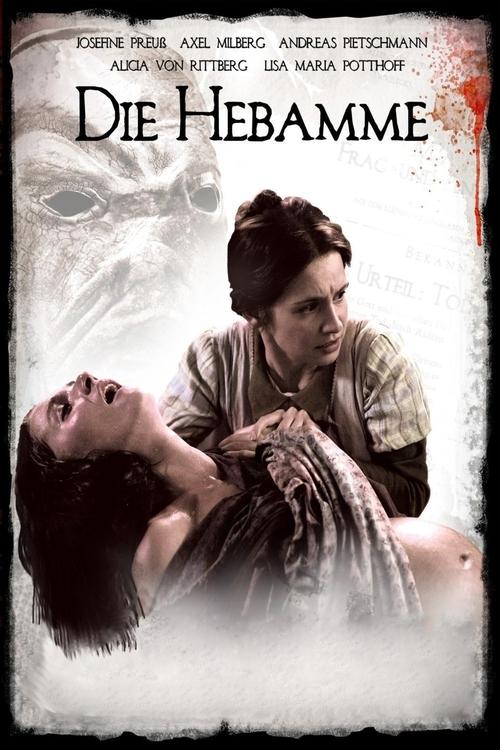
Die Hebamme
2014
No user ratings available yet
Representation score: 4.8 out of 10

Representation Score
Fair
2016
Director
Hannu Salonen
Runtime
0 minutes
Average Rating
No ratings yetNew Showbiz Analysis
Die Hebamme II stands out for its portrayal of female intellectual ability to act and professional autonomy. The film centers on a woman's struggle to break into the male-dominated medical field of historical Vienna, effectively subverting gendered power dynamics. However, the historical setting limits the scope in other areas, such as LGBTQ+ representation and racial diversity. The absence of characters with disabilities further narrows the range of social identities represented.
Category Breakdown
The story focuses on the protagonist's professional survival and medical studies. There are no visible signs of LGBTQ+ identities or non-straight relationships in the narrative.
The narrative centers on Gesa, who becomes the first female medical student in Vienna. She demonstrates strong intellectual ability to act by challenging the male-dominated medical establishment.
Set in historical Vienna, the film reflects the demographic homogeneity of the era. There is no indication of diverse racial casting or significant ethnic blending.
The story critiques rigid Western institutional structures. It highlights the tension between individual pursuit of knowledge and the oppressive social orders of the time.
The film provides no information regarding characters with visible or invisible disabilities.
Present on Screen
Limited or Absent
Official Synopsis
In the second part of the historical thriller, midwife Gesa succeeds in becoming the first female medical student to be admitted to Vienna's General Hospital. But while Gesa immerses herself in the world of medicine, a gruesome series of murders begins to spread fear and terror among the women.
2014
2014
2024
2020
2019
2015
2017
2017
No reviews yet. Be the first to share your thoughts on this movie!
Use the rating form above to leave a star rating and optional review.