
Challenge Game
2016
No user ratings available yet
Representation score: 4.0 out of 10
Representation Score
Good
2001
Director
Akihiko Shiota
Runtime
83 minutes
Average Rating
No ratings yetNew Showbiz Analysis
Gips presents a nuanced character study that challenges conventional social dynamics through its unique interpersonal relationships. By focusing on a private psychological game between two women, the film avoids common genre clichés. It successfully incorporates physical disability as a functional part of the narrative, providing the character with meaningful ability to act rather than reducing them to a pitiable figure. However, the film remains somewhat limited in its portrayal of diverse identities. While it challenges traditional gender roles, it maintains a culturally homogeneous cast and does not explicitly confirm LGBTQ+ identities.
Category Breakdown
The film explores an intimate relationship between two women that goes beyond traditional heterosexual norms. Although their sexual orientations are not clearly stated, there is a suggestion of a possible queer undertone.
The story focuses on the active roles of two women, challenging traditional gender roles. Their dynamic interaction disrupts typical social expectations and conventional feminine behavior.
As a Japanese production, the film maintains a culturally homogeneous cast. It provides a local perspective that avoids the Western-centric viewpoint commonly found in international thrillers.
The narrative emphasizes individual psychological exploration rather than communal or religious themes. The focus on a private, transgressive encounter highlights a secular, individualistic approach.
A character's use of crutches and a cast plays a key role in advancing the plot. The disability is integrated into the character's active role rather than being used as a source of pity.
Present on Screen
Limited or Absent
Official Synopsis
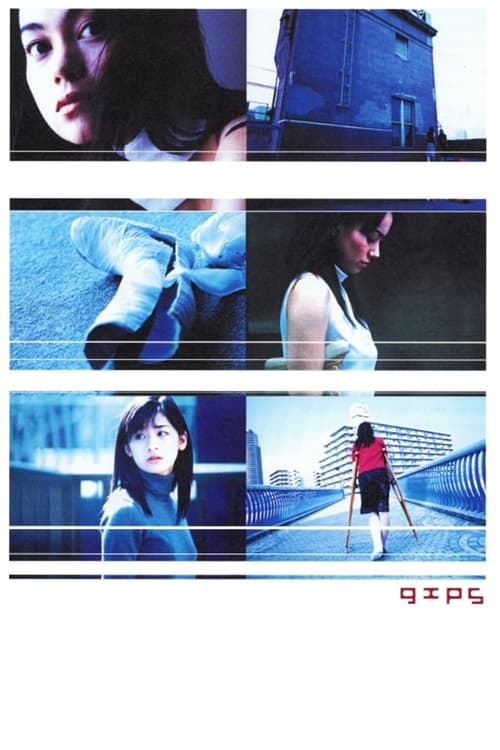
22-year old secretary Kazuko first bumps into Tamaki on the way back from work. Tamaki is crawling along the sidewalk on crutches at a snail's pace, and stumbles into the young audiotypist after apparently having trouble with an ill-fitting shoe over her cast. After helping her back to her feet, Kazuko follows Tamaki back to her apartment, the two of them barely exchanging words. Once in Tamaki's room, Kazuko is dispatched on an errand to fetch some beer... Their game begins..
2016

2004

2001
2003
2006
1999
2001

2004
No reviews yet. Be the first to share your thoughts on this movie!
Use the rating form above to leave a star rating and optional review.