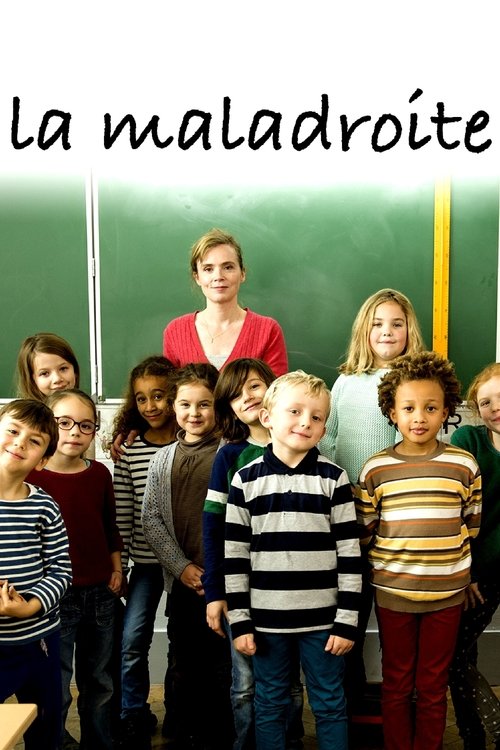
La Maladroite
2019
No user ratings available yet
Diversity score: 4.6 out of 10

2014
Director
Christoph Röhl
Runtime
89 minutes
Average Rating
No ratings yetSynopsis
In the late 70s, young Petra Grust begins teaching at the progressive Odenwald School. She is flattered by the trust placed in her by its widely respected headmaster Simon Pistorius. But gradually certain incidents at the boarding school begin to unsettle her. Petra then realizes that Pistorius is abusing Frank, a 13-year-old. When Frank is told that he has to spend school holidays with Pistorius, he tries to commit suicide. Petra tells Frank's father (the chairman of the school's governing body) but he believes Pistorius instead of his own son. Petra fails to convince people of the man's true nature. 30 years later, Frank goes to Petra, who has long since left the school and has stopped teaching altogether. He has never been able to speak about what happened but now, after the suicide of another pupil, he is no longer willing to remain silent. He wants Petra to bear witness at the school's forthcoming anniversary celebrations.
Overall Score
Fair
Category Breakdown
LGBTQ+ Representation
The film explores power and exploitation within interpersonal dynamics rather than centering queer identity. It avoids common tropes by focusing on institutional abuse rather than portraying predators as marginalized outsiders.
Gender Representation
Petra Grust serves as the primary moral compass and agent of truth within a male-dominated structure. The narrative subverts traditional hierarchies by portraying male authority figures as morally compromised or complicit.
Racial & Ethnic Diversity
The setting of a late-70s German boarding school suggests a demographic homogeneity typical of that era. The story focuses on class and institutional power rather than ethnic diversity.
Religious & Cultural Diversity
The film critiques established Western institutions, including the school and the patriarchal family. It portrays these systems as entities that prioritize reputation and status over individual morality and truth.
Disability Representation
The narrative addresses psychological trauma and mental health through Frank's suicide attempt. Frank eventually gains agency by choosing to break his silence and seek justice for his past experiences.
Strengths
Areas for Improvement
AI Analysis
The film's diversity value stems from its deconstruction of traditional power structures rather than demographic variety. It challenges the sanctity of Western social institutions by framing them as sites of systemic oppression and moral failure. While the cast reflects the historical homogeneity of 1970s Germany, the film succeeds in subverting gendered tropes. It positions a female protagonist against a backdrop of complicit male authority figures. Ultimately, the work prioritizes a critique of institutional integrity. It uses themes of trauma and systemic corruption to examine how established systems protect themselves at the expense of individuals.
2019

2005

2017

1995
2007

1998

1997

1995
No reviews yet. Be the first to share your thoughts on this movie!
Use the rating form above to leave a star rating and optional review.