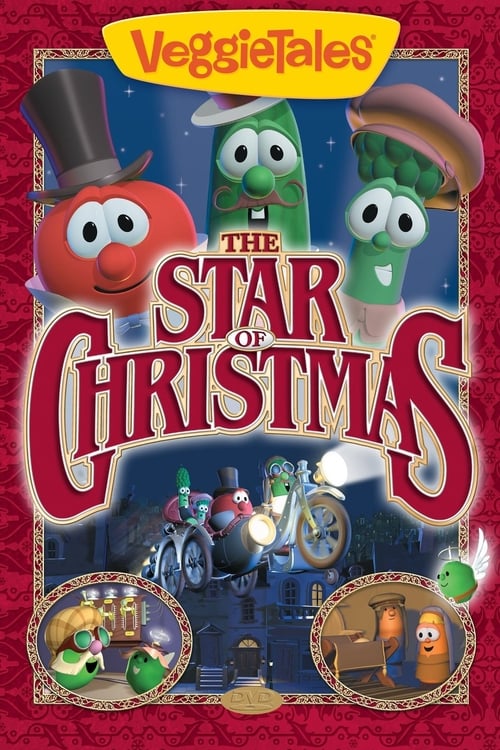
VeggieTales: The Star of Christmas
2002
No user ratings available yet
Representation score: 1.6 out of 10
Representation Score
Minimal
2004
Not RatedDirector
Tim Hodge
Runtime
49 minutes
Average Rating
No ratings yetNew Showbiz Analysis
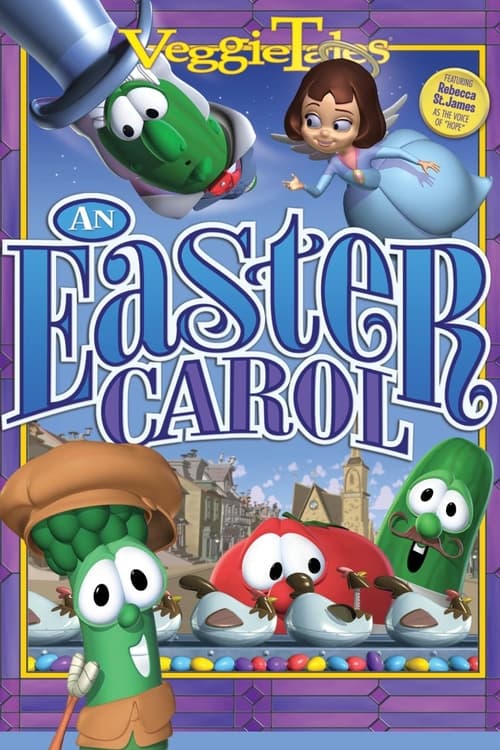
VeggieTales: An Easter Carol is a traditional, instructional film that upholds established religious and social hierarchies. It prioritizes conventional Western moral frameworks over complex, multi-layered themes. The use of anthropomorphic vegetables removes human racial and ethnic markers, resulting in a homogeneous cast. This medium choice avoids diverse ethnic metaphors or race-bending, presenting a singular, stylized reality. Ultimately, the production lacks subversive elements. It focuses on personal stewardship and faith within a Victorian framework, reinforcing traditional social structures rather than challenging them.
Category Breakdown
The film adheres strictly to traditional views where everyone is assumed to be straight and cisgender. There are no non-cisgender gender identities or same-sex relationships portrayed.
The film does not actively challenge established gender hierarchies. Instead, it focuses on individual moral improvement rather than breaking down gender power structures.
Due to the anthropomorphic vegetable characters, there are no human racial or ethnic markers. The cast is uniform in its biological classification.
The movie centers on singular Christian morality and religious teachings. It emphasizes traditional Western religious values as the main path to redemption.
The film does not focus on neurodivergence, physical disabilities, or chronic illnesses. Characters are idealized archetypes within a fable setting.
Present on Screen
Limited or Absent
Official Synopsis
Ebenezer Nezzer is out of control! He's trying to make Easter bigger than ever by filling London with plastic eggs! But just how hard can his mechanical chickens work before they're… well, fried? In just one unforgettable day and night, Cavis and Millward (Bob and Larry) and a music box angel named Hope must convince Nezzer that Easter is about more than candy and eggs. Inspired by Dickens' Christmas classic, this very special VeggieTales film explains why millions of Christians around the world celebrate Easter past, present and future.
2002
2002
2005
2002
2000
1999
2013
2009
No reviews yet. Be the first to share your thoughts on this movie!
Use the rating form above to leave a star rating and optional review.