I, Marquis De Sade
1967
No user ratings available yet
Representation score: 3.0 out of 10
Representation Score
Good
1971
Director
José Bénazéraf
Runtime
90 minutes
Average Rating
No ratings yetNew Showbiz Analysis
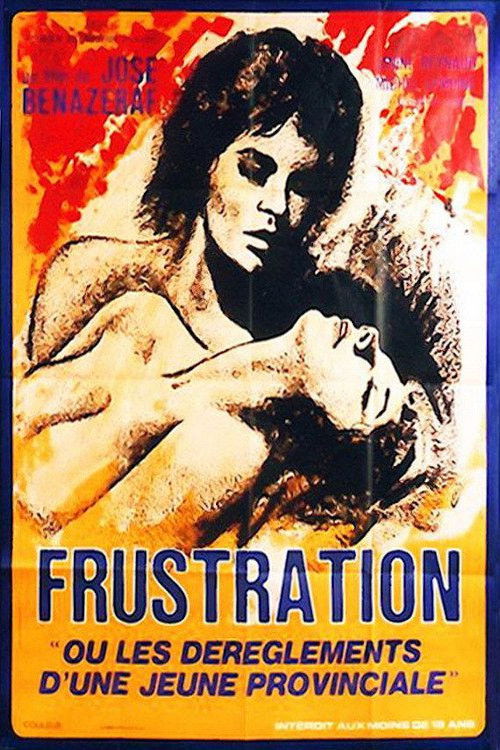
Frustration serves as a psychological study that challenges conventional social stability. It successfully subverts traditional gender roles by focusing on a woman's internal erotic and psychological ability to act. However, the film's impact is limited by a lack of explicit LGBTQ+ identities and a notable absence of racial diversity. While it effectively dismantles traditional institutions and morality, its approach to mental health remains unclear.
Category Breakdown
The film touches on themes of sexual freedom and unconventional mental states but does not feature clear LGBTQ+ character arcs or direct critiques of the assumption that everyone is straight or cisgender.
The story focuses on a female protagonist's internal struggle and her erotic autonomy. This shifts away from traditional 1970s portrayals of submissive women by emphasizing her personal, fragmented experience.
The film seems to follow the demographic norms of European art-house cinema from its time. There is no indication of a diverse or non-Anglo-Saxon majority cast.
The narrative questions traditional family structures by presenting the home as a place of torment. It prioritizes individualistic, chaotic truths over societal or religious norms.
The protagonist's nightmares hint at a focus on mental health or neurodivergent experiences. It is unclear whether these are portrayed with real power or used as horror clichés.
Present on Screen
Limited or Absent
Official Synopsis
A sexually frustrated woman, living with her sister and brother-in-law, is tormented by bizarre nightmares and violent erotic fantasies.
1967

1968

1992

1976

1970

1973
1969

1981
No reviews yet. Be the first to share your thoughts on this movie!
Use the rating form above to leave a star rating and optional review.