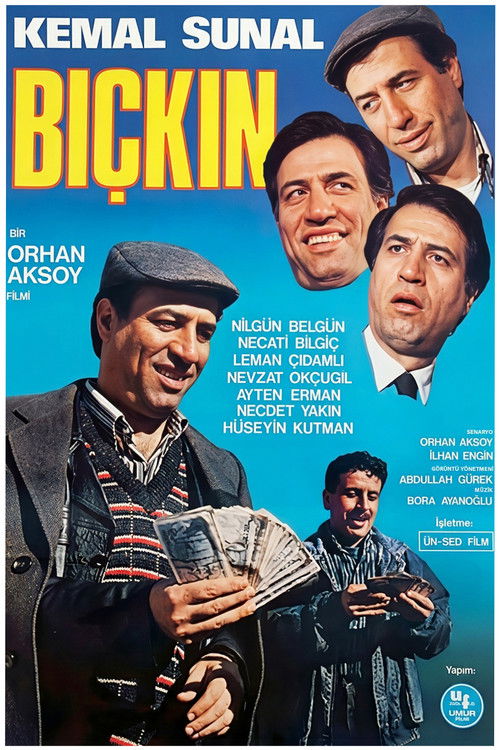
Bıçkın
1988
No user ratings available yet
Representation score: 2.8 out of 10
Representation Score
Fair
1982
Director
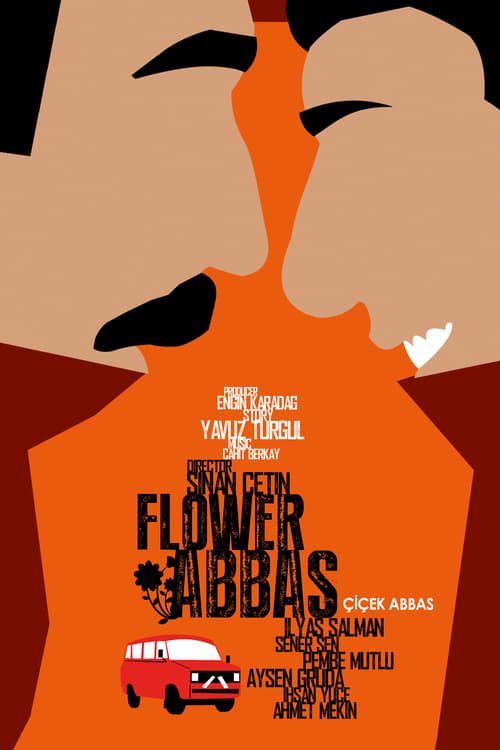
Sinan Çetin
Runtime
87 minutes
Average Rating
No ratings yetNew Showbiz Analysis
Abbas in Flower is a culturally specific romantic comedy that navigates traditional social hierarchies. It functions primarily as a localized exploration of class and interpersonal conflict rather than a tool for identity deconstruction. The film provides a meaningful alternative to Hollywood clichés by offering a non-Western lens. However, it remains rooted in the cinematic conventions of its era, particularly regarding gender roles and heterosexual structures. While the film avoids promoting rigid religious virtues, it lacks significant representation of underrepresented identities or disability, resulting in a score that reflects its traditional narrative framework.
Category Breakdown
The film follows a traditional romantic rivalry structure and does not explicitly depict non-cisgender identities or same-sex relationships.
The plot revolves around a romantic conflict between two men over a female character. While the woman triggers the story, the male protagonists often drive the action.
The film offers a culturally specific, non-Western perspective by focusing on local Turkish social strata, providing a departure from Western-centric cinema.
The narrative avoids rigid religious morality, favoring humanistic interactions. It explores moral relativism through characters navigating survival and desire within their socio-economic context.
There are no noticeable depictions of physical or neurodivergent disabilities that affect the narrative arc.
Present on Screen
Limited or Absent
Official Synopsis
While working as an assistant to swindling driver Şakir, ingenuous Abbas falls for the same woman his boss loves.
1988
1977
1985

2009
1971
1985

1975

2008
No reviews yet. Be the first to share your thoughts on this movie!
Use the rating form above to leave a star rating and optional review.