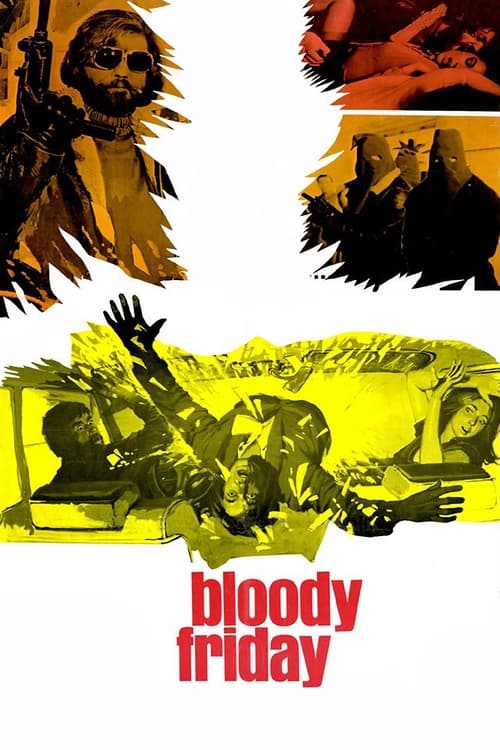
Bloody Friday
1972
No user ratings available yet
Representation score: 1.6 out of 10
Representation Score
Fair
1972
RDirector
Ernst Ritter von Theumer
Runtime
92 minutes
Average Rating
No ratings yetNew Showbiz Analysis
The film adheres closely to the conventions of 1970s exploitation cinema. While the central plot of a prison break offers a platform for women's ability to drive the story, the presentation remains tied to traditional genre clichés. The narrative prioritizes aesthetic desirability and individualistic rebellion over any meaningful social critique. It lacks the intentionality needed to disrupt established social hierarchies or provide layered representation. Ultimately, the work functions as a typical crime-thriller, favoring genre-standard clichés over more inclusive or nuanced representation.
Category Breakdown
The film does not explore non-straight identities or challenge the assumption that everyone is straight. The focus on seven beautiful women suggests the story caters to the male gaze rather than exploring queer themes.
Female characters play a significant role in driving the prison break plot, but their value is tied to aesthetic clichés that prioritize physical appearance over challenging gender hierarchies.
Given the production context of 1970s European cinema, the cast is likely homogeneous. There is no indication of diverse racial or ethnic casting in the narrative.
The prison setting critiques state authority through the lens of a crime thriller. The narrative emphasizes individualistic rebellion rather than a systemic critique of Western institutions.
There is no evidence of neurodivergent or physically disabled characters portrayed with real power. In this era, such roles were often used as secondary plot devices.
Present on Screen
Limited or Absent
Official Synopsis
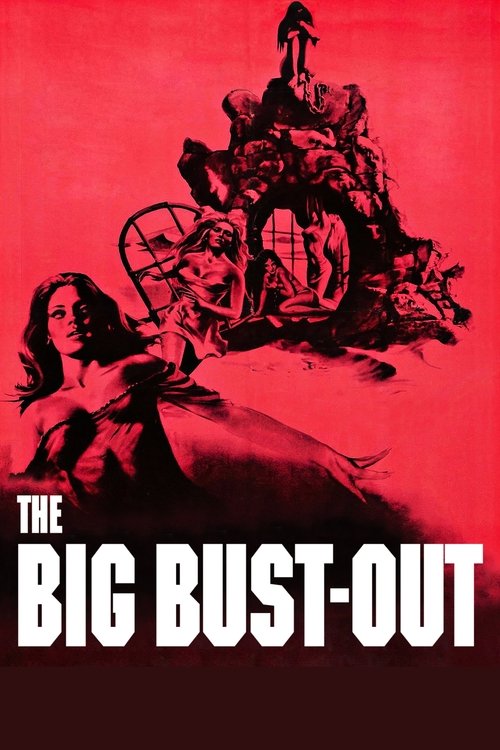
Seven beautiful women in a high security prison set the stage for a big bust out.
1972
1972

1974

1947
1998
1978
1958

1982
No reviews yet. Be the first to share your thoughts on this movie!
Use the rating form above to leave a star rating and optional review.