
Semen, a History of Love
2005
No user ratings available yet
Representation score: 5.3 out of 10
Representation Score
Fair
2007
Director
Juan Taratuto
Runtime
108 minutes
Average Rating
No ratings yetNew Showbiz Analysis
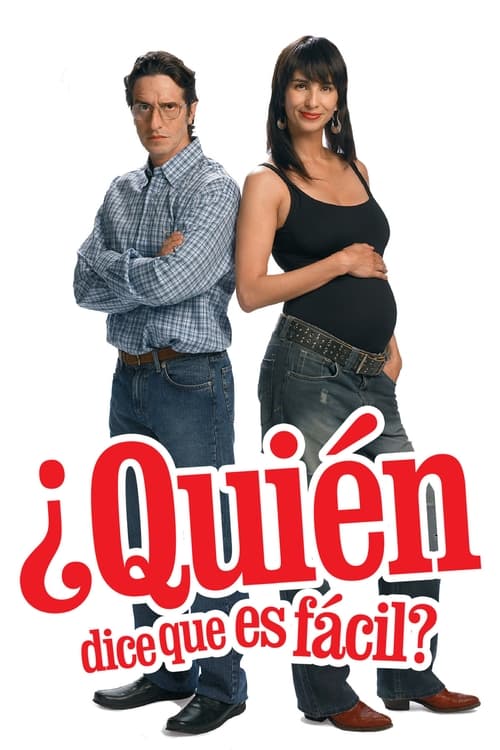
Who Says It's Easy? functions as a character study that prioritizes individual ability to act over traditional social archetypes. By centering the plot on a pregnancy that disrupts a methodical man's life, the film challenges conventional milestones and domestic stability. The film avoids overt identity-based activism, opting instead to explore the unpredictability of human connections. This approach provides a subtle critique of rigid social expectations through its focus on situational ethics and evolving family structures. While the film lacks specific representation for LGBTQ+ or disabled characters, it succeeds in offering a localized, non-Anglo-centric view of romance and parenthood.
Category Breakdown
The film does not include explicit LGBTQ+ characters or non-cisgender identities. The story focuses on a romantic relationship between the main characters without any indication of queer undertones.
The story centers around a woman's pregnancy and unique life experiences, shifting the narrative focus away from the male protagonist and challenging traditional gender roles.
As an Argentine production, the film reflects the demographic makeup of the Southern Cone region. It offers a localized perspective on family dynamics that avoids the homogenization found in Western studio productions.
The plot deconstructs the idealized family unit by focusing on unplanned parenthood. It promotes a flexible, situational approach to partnerships over rigid social structures.
There is no evidence of the portrayal of physical or neurodivergent disabilities in the film.
Present on Screen
Limited or Absent
Official Synopsis
A methodical man falls for a pregnant woman with a very particular life story.
2005

2016

2009

2012

2011

2006

2019

2012
No reviews yet. Be the first to share your thoughts on this movie!
Use the rating form above to leave a star rating and optional review.