Vive la mariée... et la libération du Kurdistan
1998
No user ratings available yet
Representation score: 6.9 out of 10
No Poster Available
Representation Score
Good
1939
Director
G.W. Pabst, Marc Sorkin
Runtime
98 minutes
Average Rating
No ratings yetNew Showbiz Analysis
Pasha's Wives serves as a critique of the clash between Western individualist ideals and traditional societal structures. The film highlights the erosion of female freedom within a patriarchal system. The narrative's strength lies in its ability to challenge the 'happy marriage' cliché, focusing instead on the erosion of the protagonist's autonomy. While the film offers a nuanced exploration of cultural displacement, it maintains a Western-centric perspective.
Category Breakdown
The film does not explicitly include LGBTQ+ identities or non-straight-centered characters. However, there is a suggestion that it questions traditional relationship norms.
Mireille, the female protagonist, plays a significant role in driving the story and challenging the male-dominated society's restrictions on her autonomy.
The story explores the clash of cultures through the marriage of a Frenchwoman and a Turkish diplomat, highlighting ethnic and cultural tensions.
The narrative critiques the rigid, patriarchal cultural norms of a traditional society, which is portrayed as restricting the protagonist's freedom.
There is no evidence regarding the portrayal of physical or neurodivergent disabilities in this work.
Present on Screen
Limited or Absent
Official Synopsis
Mireille, a Frenchwoman, marries a westernized Turkish diplomat and, thinking that she will live a dream life in an Arabian Nights setting, follows him back to his native country, only to discover that, in a staunchly traditional society, she will not be a free woman there any longer.
1998
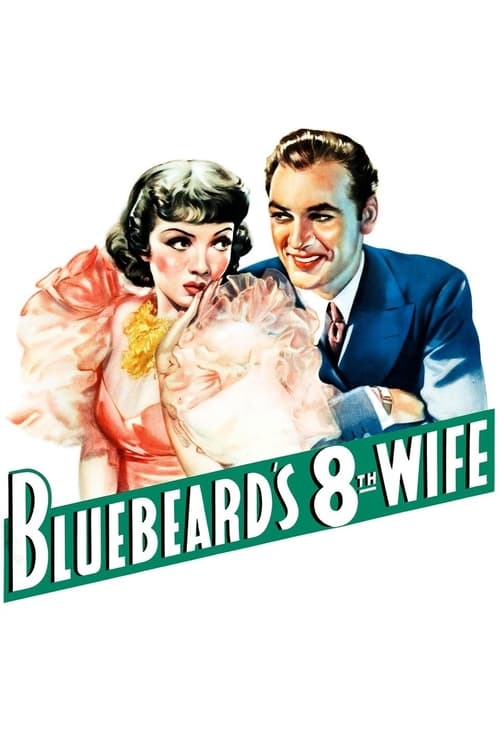
1938
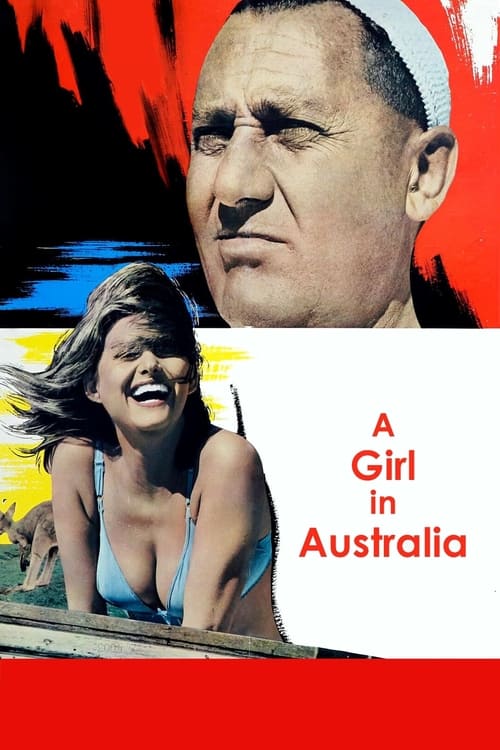
1971

1952
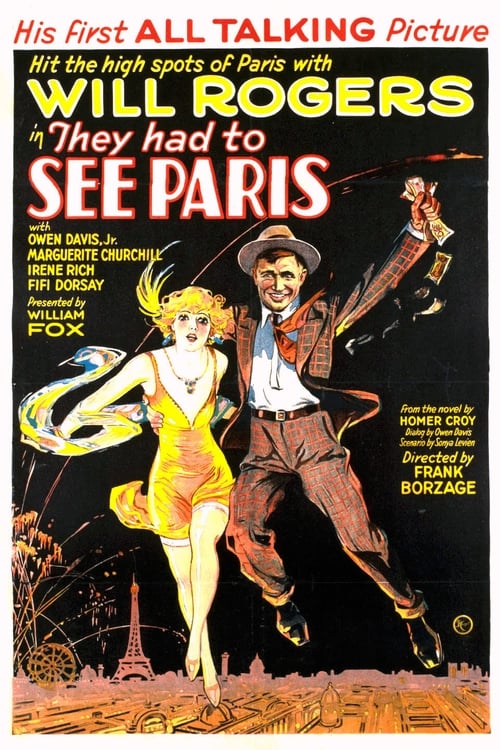
1929

1939
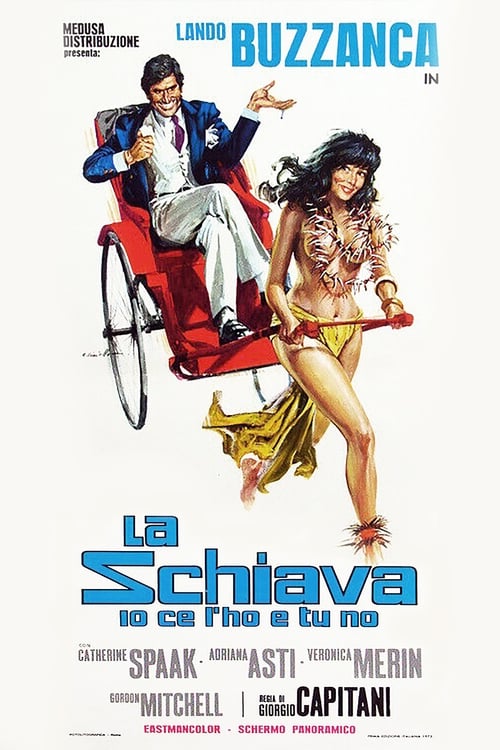
1973
1939
No reviews yet. Be the first to share your thoughts on this movie!
Use the rating form above to leave a star rating and optional review.