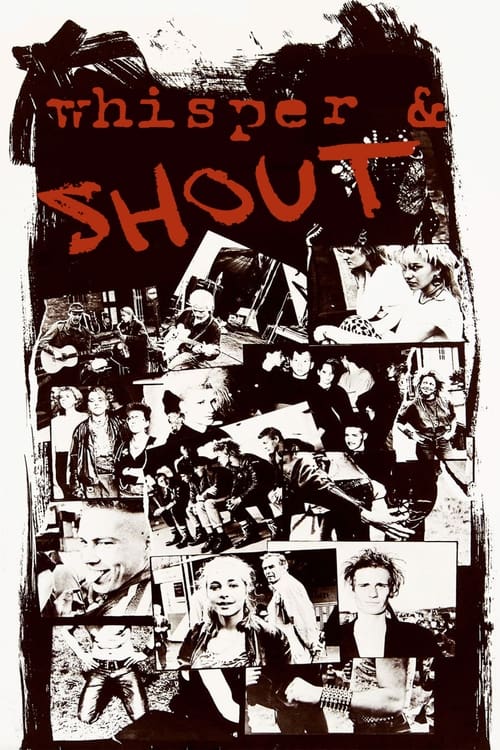
whisper & SHOUT
1988
No user ratings available yet
Representation score: 6.0 out of 10
Representation Score
Fair
1988
SDirector
Marjaana Mykkänen
Runtime
108 minutes
Average Rating
No ratings yetNew Showbiz Analysis
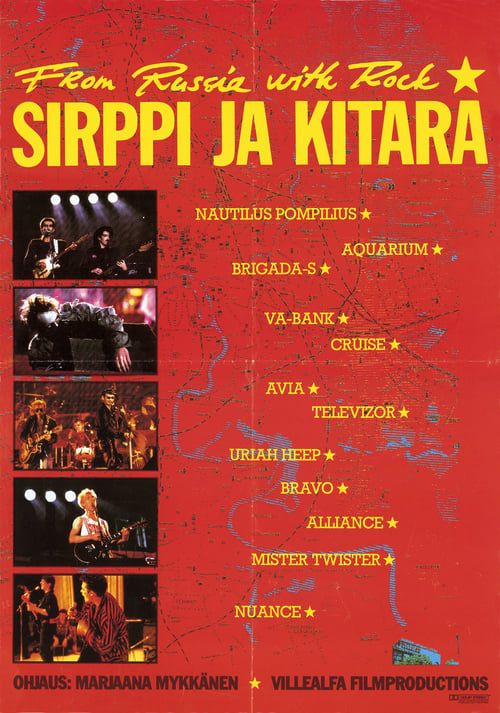
From Russia with Rock serves as a historical ethnographic record of the Soviet Union's musical shift during the Gorbachev era. It succeeds as a study of cultural rebellion, capturing the moment underground art began to dismantle state-controlled institutional rigidity. However, the film lacks depth in representing diverse identities. The focus remains heavily on the masculine-coded 'rebellious musician' archetype, leaving little room for visible gender diversity or explicit queer representation. While it captures a significant cultural transition, the subjects appear largely homogeneous. Ultimately, the documentary is a study of political liberation through art rather than a targeted exploration of identity politics. It documents a movement of social change without centering the diverse identities that often inhabit such subcultures.
Category Breakdown
The film focuses on the rise of underground bands in the Soviet Union during the Gorbachev era. While the Soviet rock scene often served as a sanctuary for non-normative identities, there are no specific depictions of queer intimacy or gender non-conformity.
The narrative centers on a male-dominated rock generation and specific bands. There is no evidence of female musicians driving the plot, reflecting traditional masculine archetypes of the rebellious musician.
The documentary captures a period of cultural blending where Western influences intersect with Eastern Bloc identities. Musicians are largely from the Soviet ethnic majority, but the film documents a breaking of isolationism.
The film excels at showing the deconstruction of state-mandated ideology. By documenting the underground movement, it frames the rock generation as a force for social change and secular, artistic expression.
There is no documented evidence regarding the portrayal of physical or neurodivergent identities within the film's musical subjects.
Present on Screen
Limited or Absent
Official Synopsis
A Finnish documentary about the feelings of a rock generation in the Soviet Union during Gorbachev's regime: the film follows underground bands' rise to publicity, the country's first "official" rock festival called the Moscow Rock Panorama-87 and the rocket-like ascent of Uralian Nautilus Pompilius into the starry sky of Soviet rock. Also appearing: "Аквариум", "Авиа", "Телевизор", "Браво", "Ва Банкъ", "Бригада С", "Новая Коллекция", "Мистер Твистер", "Круиз", "Нюанс", "Альянс", Uriah Heep.
1988
1981
1982

2018

1986
2010

2015

1978
No reviews yet. Be the first to share your thoughts on this movie!
Use the rating form above to leave a star rating and optional review.