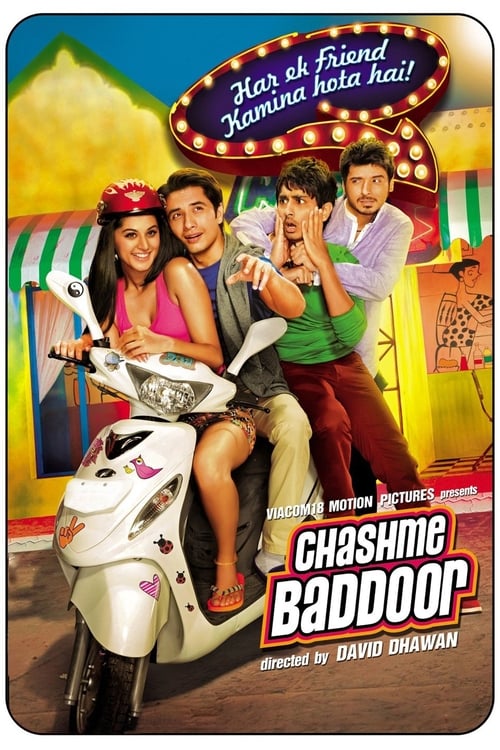
Chashme Baddoor
2013
No user ratings available yet
Representation score: 1.3 out of 10
Representation Score
Limited
2011
Not RatedDirector
Bumpy
Runtime
106 minutes
Average Rating
No ratings yetNew Showbiz Analysis
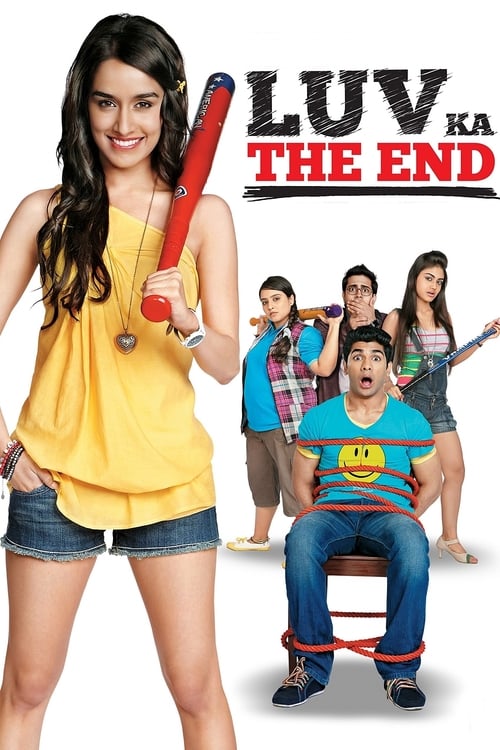
Luv Ka The End operates primarily within the boundaries of the romantic comedy-drama genre. While it avoids some traditional formulas by centering on a female protagonist's revenge, it lacks broader systemic critique. The film provides moderate gender ability to act through Rhea's active role in the plot, but the narrative remains focused on a singular romantic conflict rather than exploring multiple aspects of identity. Ultimately, the story lacks representation for LGBTQ+ individuals and people with disabilities, and the social structure presented appears homogeneous, focusing on class tensions rather than deep cultural or racial diversity.
Category Breakdown
The story centers around a heterosexual relationship without any representation of LGBTQ+ identities or narratives that question the assumption that everyone is straight or cisgender.
Rhea plays a significant role in driving the story, taking control and acting on her own terms. She challenges the cliché of the submissive female lead by making active decisions.
The film follows a relatively uniform social structure, depicting a standard social hierarchy without highlighting diverse or multi-layered representation.
Themes of love and friendship are traditionally sentimental, with no explicit criticism of institutions or traditions.
There is no mention of characters with visible or invisible disabilities in the narrative context.
Present on Screen
Limited or Absent
Official Synopsis
Rhea is the typical girl next door who is in love with Luv Nanda, a rich and famous boy in college. As they plan to take their relationship to the next level, Rhea realises that Luv is not as nice as she thought. So, she decides to get even and bring Luv down! All in the span of one night. Buckle up for one crazy night as the girls discover the meaning of love, life, friendship and more.
2013
2010

1996
2004
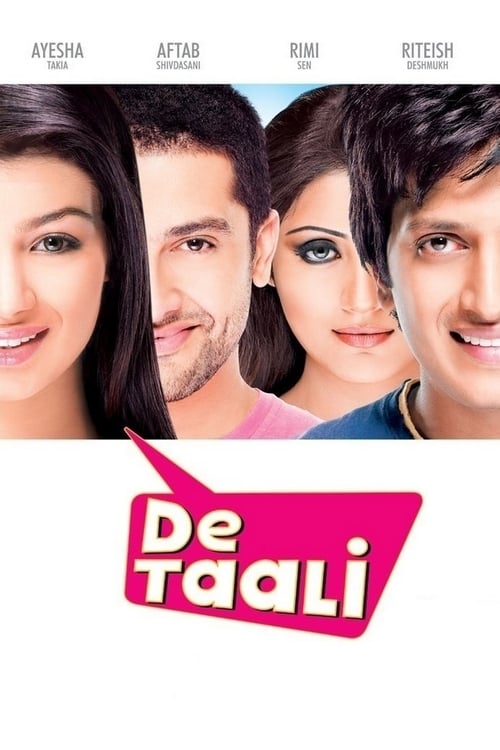
2008
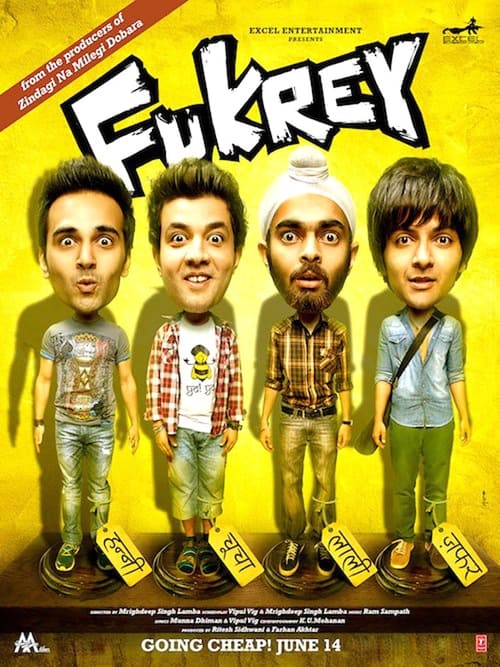
2013
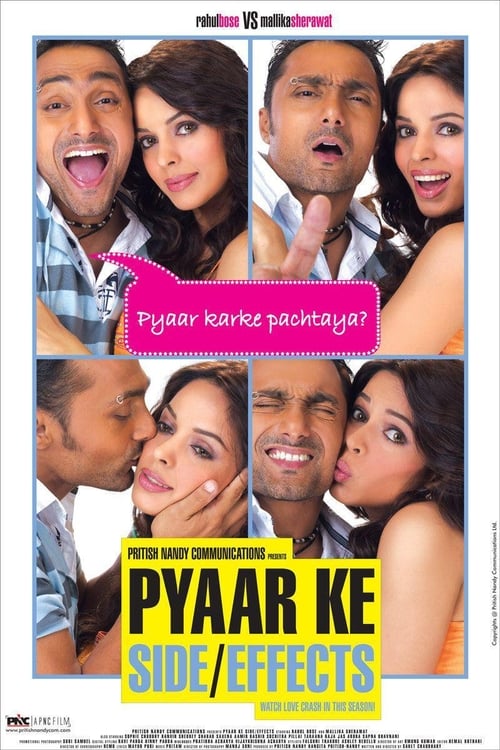
2006
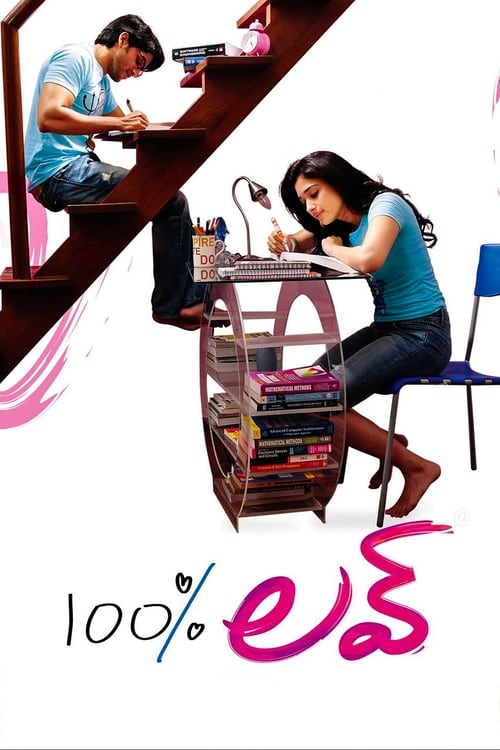
2011
No reviews yet. Be the first to share your thoughts on this movie!
Use the rating form above to leave a star rating and optional review.