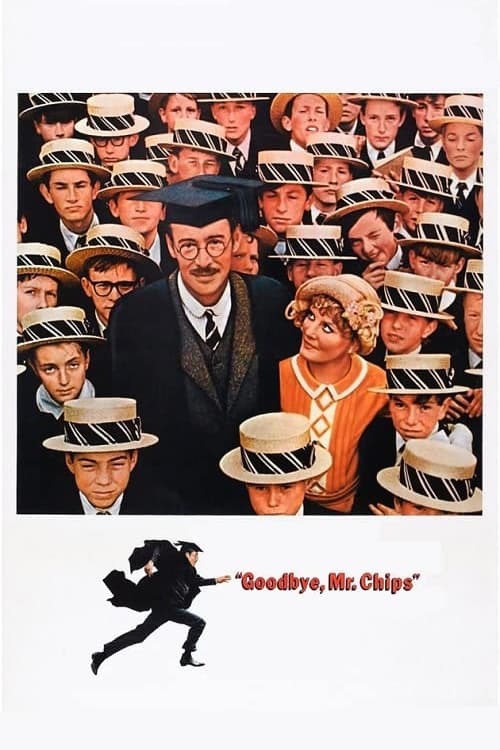
Goodbye, Mr. Chips
1969
No user ratings available yet
Diversity score: 1.8 out of 10
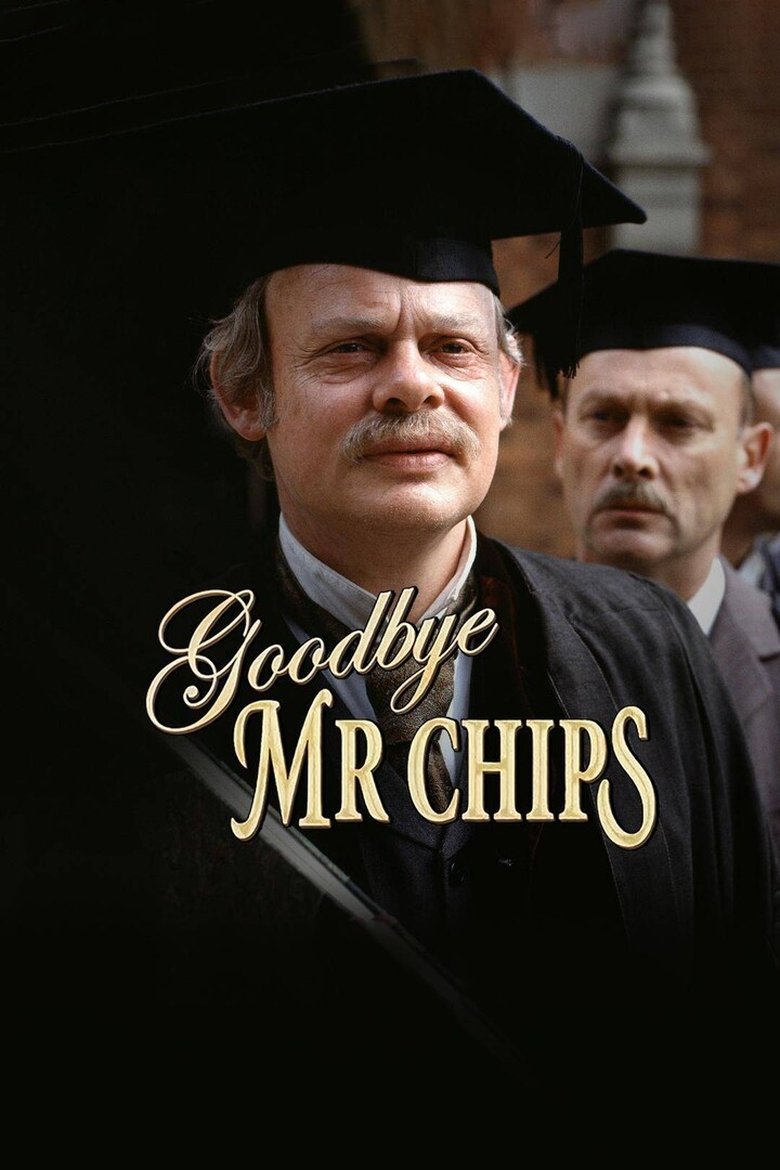
2002
Director
Stuart Orme
Runtime
99 minutes
Average Rating
No ratings yetSynopsis
Over several decades throughout the late 19th-century and early 20th-century, Mr Arthur Chipping rises from a shy, nervous teacher to the beloved, revered headmaster of Brookfield School, with his life and career shaped by his love for his wife and his unwavering dedication to his students.
Overall Score
Minimal
Category Breakdown
LGBTQ+ Representation
The film adheres strictly to the heteronormative social structures of the early 20th century. There is no evidence of non-cisnormative gender identities or same-sex intimacy.
Gender Representation
Narrative authority and professional agency are concentrated within a male-dominated academic sphere. While Katherine is central to the emotional arc, the film follows traditional patterns of marriage and domesticity.
Racial & Ethnic Diversity
The cast is predominantly white and Anglo-Saxon, reflecting the setting of an elite English public school. The film depicts a homogeneous social environment without non-white characters.
Religious & Cultural Diversity
The story celebrates traditional Western institutions and the British boarding school system. It emphasizes duty, patriotism, and the preservation of the established social order.
Disability Representation
There is no discernible representation of physical, sensory, or neurodivergent identities. Characters with disabilities are not utilized as central figures within the school's social fabric.
Strengths
Areas for Improvement
AI Analysis
Goodbye, Mr. Chips is a conservative period piece that prioritizes historical accuracy and institutional loyalty. It functions as a nostalgic exploration of British educational values rather than a platform for diverse perspectives. The narrative reinforces established social hierarchies and traditional roles. By focusing on the continuity of the British class structure, the film avoids any subversion of the era's social norms. Ultimately, the production offers a homogeneous view of early 20th-century life, emphasizing stability and tradition over the inclusion of varied identities.
No reviews yet. Be the first to share your thoughts on this movie!
Use the rating form above to leave a star rating and optional review.