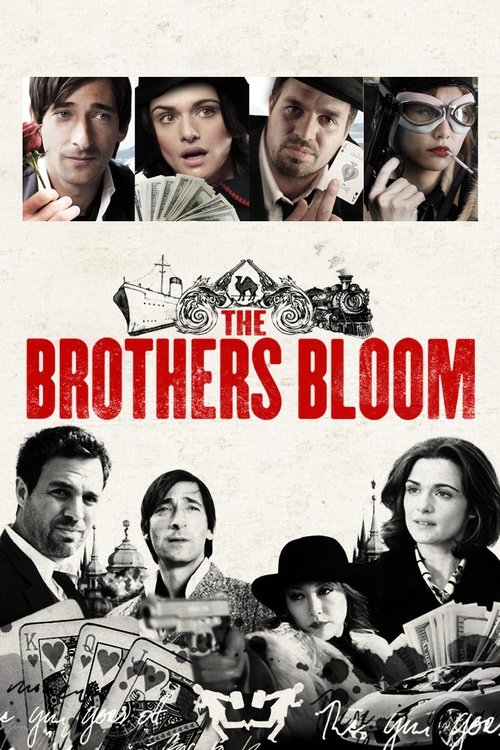
The Brothers Bloom
2009
No user ratings available yet
Representation score: 3.7 out of 10
Representation Score
Minimal
2011
PGDirector
Thomas Bezucha
Runtime
109 minutes
Average Rating
No ratings yetNew Showbiz Analysis
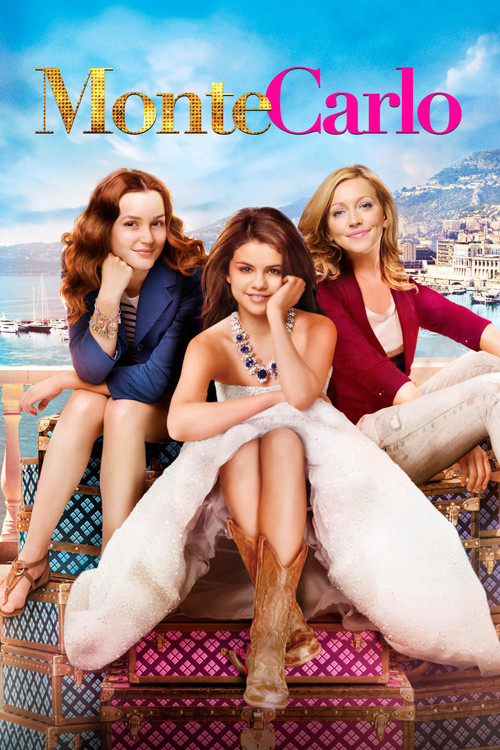
Monte Carlo is a conventional romantic comedy that emphasizes escapism and the allure of high-society luxury. The film adheres to established cinematic norms, presenting a streamlined and homogeneous portrayal of Western leisure. It relies heavily on traditional formulas of class aspiration and romantic courtship. The narrative structure does not challenge or deconstruct existing social, racial, or gender hierarchies. Instead, it reinforces a narrow, Anglo-centric perspective of wealth and social standing, offering little disruption to established identity frameworks. Overall, the film operates as a standard genre piece. It does not intentionally address characters who reflect more than one aspect of diversity, favoring a fantasy of prestige over a diverse or critical examination of the world.
Category Breakdown
The film does not feature any visible LGBTQ+ characters or narratives. Romantic relationships are centered around heterosexual couples following traditional courtship.
Female characters drive the plot through deception. However, their influence is largely tied to romantic pursuits and typical social interactions.
The cast is primarily white and Western, focusing on a homogeneous social group. The story does not explore multi-layered identities or diverse backgrounds.
The story celebrates the glamour of high-society capitalism and luxury. It avoids discussing secular themes or critiquing Western institutions.
The film does not depict any physical or invisible disabilities. There is no exploration of neurodivergence or disability in the character arcs.
Present on Screen
Limited or Absent
Official Synopsis
Three young women vacationing in Paris find themselves whisked away to Monte Carlo after one of the girls is mistaken for a British heiress.
2009
1934

2021

1924
2002
1953

1985
1957
No reviews yet. Be the first to share your thoughts on this movie!
Use the rating form above to leave a star rating and optional review.