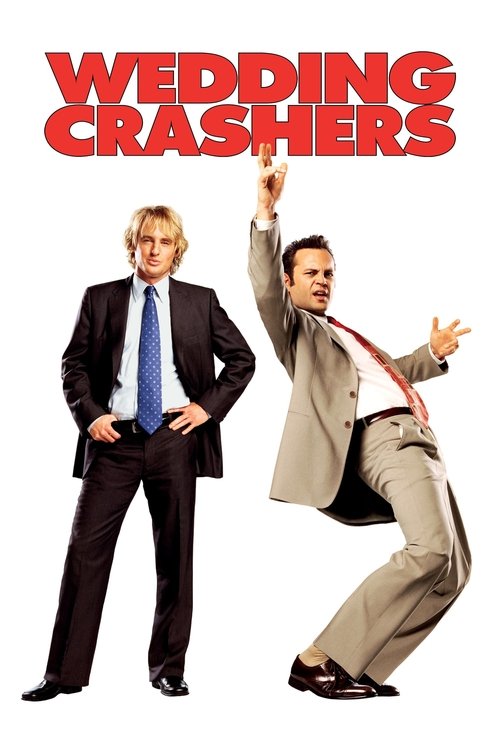
Wedding Crashers
2005
No user ratings available yet
Representation score: 0.9 out of 10
Representation Score
Minimal
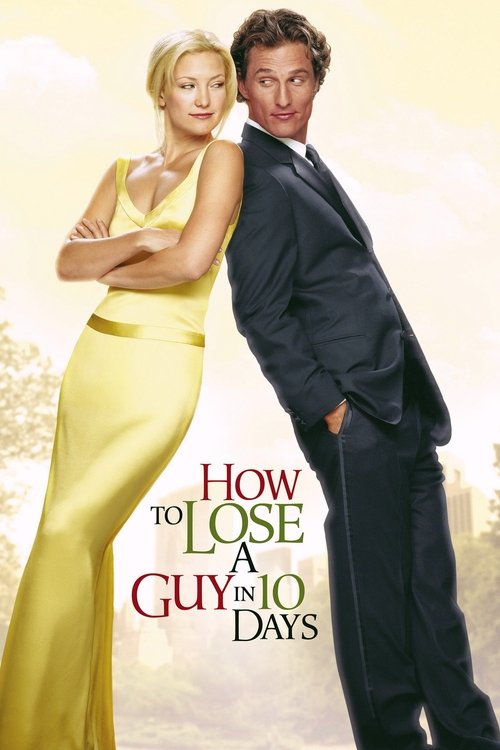
2003
PG-13Director
Donald Petrie
Runtime
116 minutes
Average Rating
No ratings yetNew Showbiz Analysis
The film operates as a typical early-2000s romantic comedy, prioritizing commercial escapism and traditional genre clichés. It exists within a highly homogenous socio-economic bubble, focusing on an upper-middle-class, predominantly white demographic in New York City. While the female lead is depicted as professionally competent, the narrative structure reinforces conventional romantic dynamics. The 'battle of the sexes' premise relies on transactional power dynamics and traditional courtship rituals, avoiding subversion of existing gender hierarchies. Overall, the production maintains traditional social hierarchies. The lack of diverse casting and the absence of LGBTQ+ narratives result in a film that avoids engaging with systemic critiques or varied perspectives.
Category Breakdown
The film strictly centers on heterosexual relationships, with no representation of LGBTQ+ identities or same-sex intimacy. It focuses entirely on a traditional male-female dynamic.
Andie Anderson is shown as a competent professional journalist, but the plot relies on gendered clichés such as the 'difficult woman' and 'persistent man.' These reinforce traditional romantic dynamics.
The cast is predominantly white and upper-middle-class, with no characters of color given significant roles or narrative depth.
The story is set within a capitalist framework focused on magazine publishing and advertising. It avoids broader social or religious commentary, focusing instead on individualistic romantic gamesmanship.
The film does not include any representation of physical, sensory, or neurodivergent disabilities. Disability is not addressed as a facet of character identity or narrative arc.
Present on Screen
Limited or Absent
Official Synopsis
It's the battle of wills, as Andie needs to prove she can dump a guy in 10 days, whereas Ben needs to prove he can win a girl in 10 days. Now, the clock is ticking—and the wildly entertaining comedy smash is off and running in this irresistible tale of sex, lies and outrageous romantic fireworks!
2005
2008

2008

1985
1997
2000
2001
2013
No reviews yet. Be the first to share your thoughts on this movie!
Use the rating form above to leave a star rating and optional review.