The Village Festival
1930
No user ratings available yet
Representation score: 1.9 out of 10
Representation Score
Limited
1931
Director
Noburô Ôfuji
Runtime
3 minutes
Average Rating
No ratings yetNew Showbiz Analysis
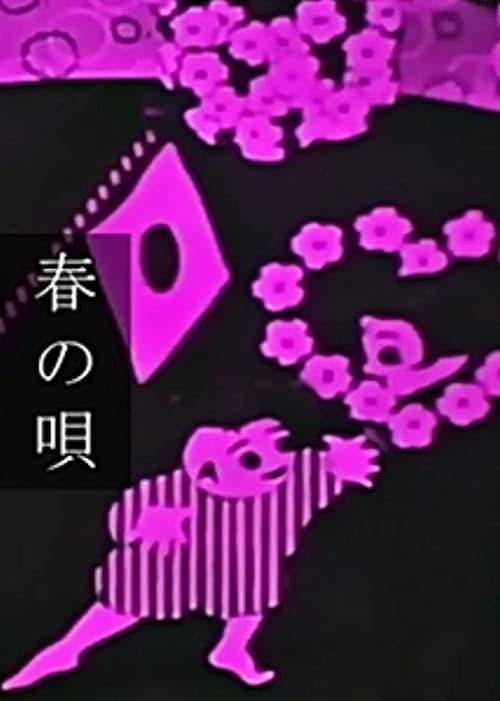
Spring Song stands out as a landmark in animation, known for its Chiyogami papercraft and stop-motion techniques. It explores nature in a formalist manner rather than through character-driven narratives. By operating outside the Western cinematic norms of the 1930s, the film offers a culturally distinct perspective. However, its focus on natural cycles means it does not delve into intentional character's ability to drive the story or multi-layered themes found in contemporary media. Overall, Spring Song celebrates Japanese aesthetic traditions and natural rhythms while remaining neutral on modern sociopolitical representation.
Category Breakdown
The film does not include any LGBTQ+ characters or narratives about non-assuming gender matches what was assigned at birth identities. It focuses on the natural changes of seasons.
The story centers on the cycles of nature rather than individual characters. It avoids traditional gender hierarchies but does not provide female protagonists with significant roles.
As a pioneering Japanese film, it showcases a distinctive non-Western style through traditional papercraft. This contrasts with the Western cinematic styles of the time.
The film highlights natural cycles and environmental patterns. It preserves indigenous crafts through traditional aesthetics without engaging in direct sociopolitical critiques.
There are no characters in the film that portray physical, neurodivergent, or sensory disabilities.
Present on Screen
Limited or Absent
Official Synopsis
Early Japanese anime. A stop-motion papercraft animation set to a song sung by Kikoku Inoue
1930

1931
1929

1944
1943
1948
1949
1946
No reviews yet. Be the first to share your thoughts on this movie!
Use the rating form above to leave a star rating and optional review.