
Afinidades
2011
No user ratings available yet
Representation score: 6.0 out of 10
Representation Score
Good
2008
Director
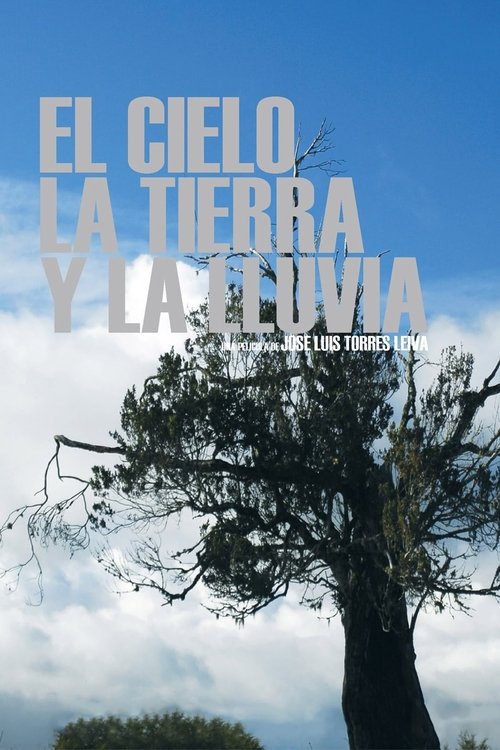
José Luis Torres Leiva
Runtime
110 minutes
Average Rating
No ratings yetNew Showbiz Analysis
Torres Leiva’s work stands out by intentionally breaking from mainstream narrative expectations. It emphasizes non-verbal intimacy and deconstructs traditional social roles to highlight the subjective experiences of its characters. The film offers a sophisticated critique of conventional domestic structures. By focusing on characters living on the margins of social engagement, it provides a nuanced view of human connection. While the film excels in cultural and relational subversion, it lacks specific information regarding disability representation or detailed multi-ethnic casting.
Category Breakdown
The film focuses on brotherly and sexual love, disrupting traditional storytelling. It explores intimacy through unique relational dynamics that go beyond typical romantic clichés.
Female characters such as Ana, Verónica, and Marta are shown through their internal lives and actions. They reject traditional feminine roles in favor of self-directed existence.
Set in southern Chile, the film moves away from Anglo-centric views. It provides a meaningful departure from homogeneous global cinema through its specific regional identity.
The narrative prioritizes personal experience over communal or religious morality. It critiques capitalist productivity and the traditional family unit by framing isolation as a valid mode of being.
There is no explicit evidence regarding the portrayal of physical or neurodivergent disabilities within the narrative.
Present on Screen
Limited or Absent
Official Synopsis
Ana, Verónica, Marta, and Toro are four lonely people who live an unadventurous and quiet existence in southern Chile. They are with each other without the need of using words, trying to save themselves in a stealthy and extreme way. In order not only of getting away of the loneliness that constitutes their innermost core, but also of finding themselves, they reach for each other to get brotherly and sexual love, affection, and a space and time of their own.
2011

1995

2007

1987

2017
2009

2007

2012
No reviews yet. Be the first to share your thoughts on this movie!
Use the rating form above to leave a star rating and optional review.