
Love Affair, or the Case of the Missing Switchboard Operator
1967
No user ratings available yet
Representation score: 5.8 out of 10

Representation Score
Fair
1978
RDirector
Paul Mazursky
Runtime
124 minutes
Average Rating
No ratings yetNew Showbiz Analysis
Paul Mazursky’s work stands out for its deconstruction of domestic life and its focus on individual liberation. The film is a cornerstone of second-wave feminist cinema, emphasizing the dismantling of traditional gender roles and the celebration of female empowerment. However, the film’s scope is limited by its narrow demographic focus, which hinders a broader perspective on diversity. Its strength lies in its deep psychological exploration of gender and societal norms, rather than broad inclusivity. Ultimately, the film prioritizes personal autonomy but falls short in representing racial and LGBTQ+ diversity.
Category Breakdown
The film centers on heterosexual relationships and the breakdown of monogamy, lacking prominent LGBTQ+ characters or diverse gender identities. It emphasizes sexual freedom within a conventional framework.
This film challenges traditional gender roles by highlighting female autonomy and intellectual independence. It avoids the 'abandoned wife' stereotype, presenting the protagonist as a self-driven individual.
The story is set primarily among a white, middle-class community, with little representation of diverse racial or ethnic backgrounds within the main characters.
The film explores moral relativism by framing the dissolution of marriage as a journey towards self-discovery. It questions traditional Western domestic values in favor of individual fulfillment.
There are no prominent depictions of visible or invisible disabilities that play key roles in the plot or character development.
Present on Screen
Limited or Absent
Official Synopsis
A wealthy woman from Manhattan's Upper East Side struggles to deal with her new identity and her sexuality after her husband of 16 years leaves her for a younger woman.
1967

1989
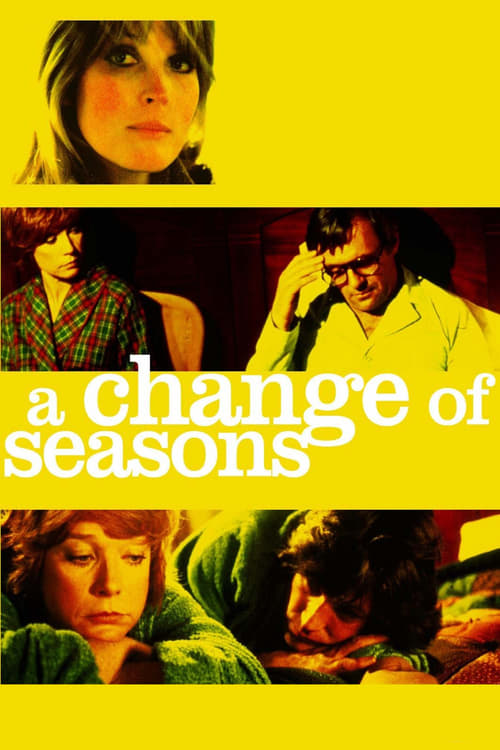
1980
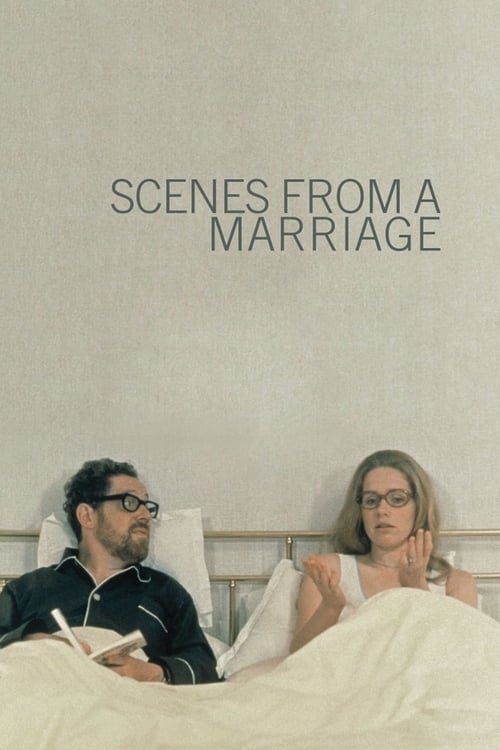
1974

1982

1968
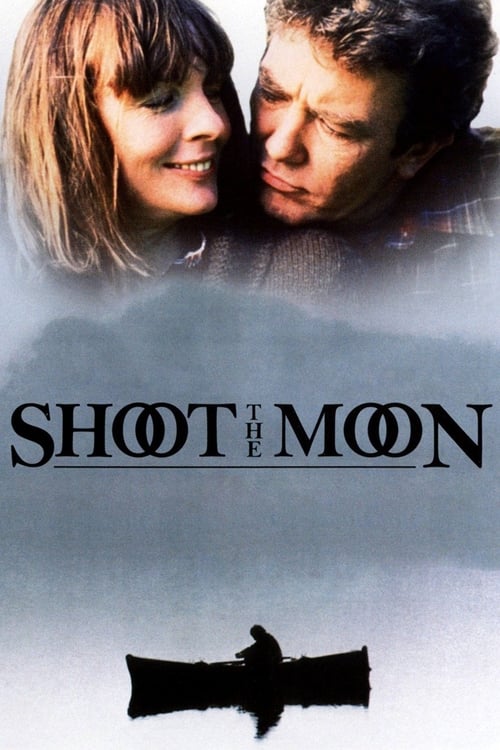
1982

1974
No reviews yet. Be the first to share your thoughts on this movie!
Use the rating form above to leave a star rating and optional review.